


















PM Narendra Modi Visits Chandrababu Naidu and Pawan Kalyan in Hyderabad
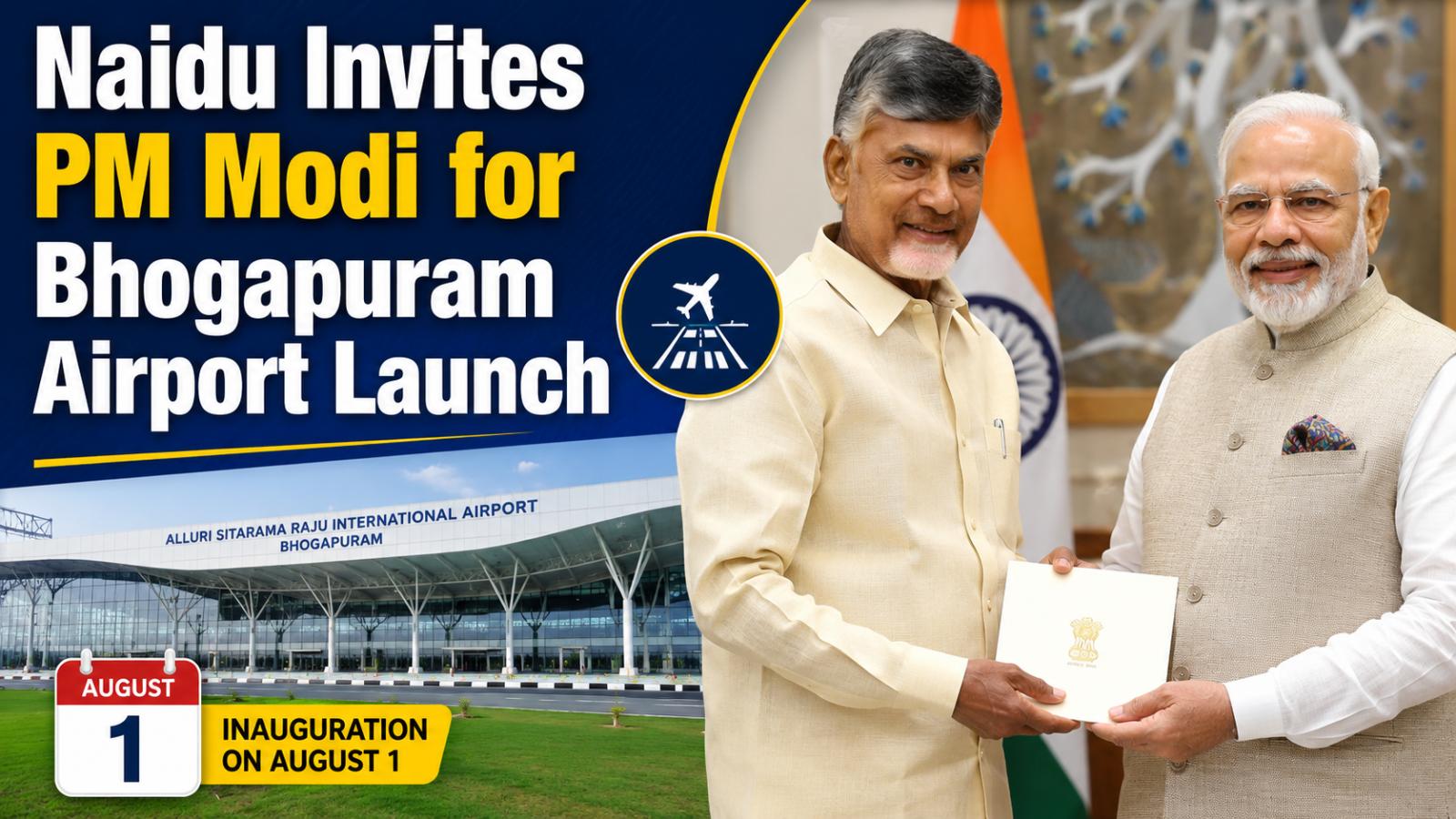
PM Modi Meets Naidu and Pawan Kalyan in Hyderabad Prime Minister Narendra Modi visited the residences of N. Chandrababu Naidu, Chief Minister of
PM Narendra Modi Visits Chandrababu Naidu and Pawan Kalyan in Hyderabad
PM Modi Meets Naidu and Pawan Kalyan in Hyderabad Prime Minister Narendra Modi visited the residences of N. Chandrababu Naidu, Chief Minister of
Andhra Pradesh Set to Become the First State in India to Host Quantum Computers
Andhra Pradesh is aiming to become a pioneer in quantum technology, with plans to establish a dedicated “Quantum Valley” in Amaravati by 2031. The initiative is designed to position the state as a leading hub for quantum comp
Andhra Pradesh Set to Become the First State in India to Host Quantum Computers
Andhra Pradesh is aiming to become a pioneer in quantum technology, with plans to establish a dedicated “Quantum Valley” in Amaravati by 2031. The initiative is designed to position the state as a leading hub for quantum comp
Naidu Urges Collaborative Efforts to Resolve Telangana–Andhra Water Sharing Dispute
Water sharing between Andhra Pradesh (AP) and Telangana has once again become a hot topic of public discussion, especially when fluctuating reservoir levels or unpredictable rainfall patterns heighten concerns. While the debate often takes on a political tone, causing confusion among farmers and the public, the real issue lies in ensuring stable and equitable access to this shared natural resource. AP Chief Minister N. Chandrababu Naidu has been consistently highlighting the importance of efficient water management and cooperation between the two states. His approach emphasizes administrative clarity, scientific planning, and mutual coordination rather than conflict. Naidu advocates for transparency in data and clear communication between the irrigation departments of both states to avoid misunderstandings and reduce political tensions. Naidu’s stance is straightforward: improved water resource management, such as sharing transparent data on river inflows and disciplined reservoir management, can help both states avoid unnecessary disputes. This strategy depends on the exchange of real-time information on shared river systems like the Krishna and Godavari, which support agriculture, drinking water supply, and industries in both regions. Central to this approach is the modernization of irrigation infrastructure, particularly canal systems, to minimize water loss and ensure fair distribution to farmers, particularly those at the end of irrigation networks. Managing these resources effectively requires both timely updates and long-term planning to meet the needs of farmers in both states. One of the major challenges to water sharing is climate variability. With rainfall patterns becoming increasingly unpredictable, careful planning for both drought and surplus conditions is essential. This requires coordinated efforts, ensuring both states are prepared for any situation. Building public confidence hinges on governments engaging in open dialogue and using verified data to inform decisions. While political debate will always be part of the democratic process, water security depends on stability, foresight, and cooperation. Naidu believes that prioritizing collaboration between AP and Telangana will help protect the interests of farmers and citizens, ensuring that natural resources are managed fairly and efficiently.
Naidu Urges Collaborative Efforts to Resolve Telangana–Andhra Water Sharing Dispute
Water sharing between Andhra Pradesh (AP) and Telangana has once again become a hot topic of public discussion, especially when fluctuating reservoir levels or unpredictable rainfall patterns heighten concerns. While the debate often takes on a political tone, causing confusion among farmers and the public, the real issue lies in ensuring stable and equitable access to this shared natural resource. AP Chief Minister N. Chandrababu Naidu has been consistently highlighting the importance of efficient water management and cooperation between the two states. His approach emphasizes administrative clarity, scientific planning, and mutual coordination rather than conflict. Naidu advocates for transparency in data and clear communication between the irrigation departments of both states to avoid misunderstandings and reduce political tensions. Naidu’s stance is straightforward: improved water resource management, such as sharing transparent data on river inflows and disciplined reservoir management, can help both states avoid unnecessary disputes. This strategy depends on the exchange of real-time information on shared river systems like the Krishna and Godavari, which support agriculture, drinking water supply, and industries in both regions. Central to this approach is the modernization of irrigation infrastructure, particularly canal systems, to minimize water loss and ensure fair distribution to farmers, particularly those at the end of irrigation networks. Managing these resources effectively requires both timely updates and long-term planning to meet the needs of farmers in both states. One of the major challenges to water sharing is climate variability. With rainfall patterns becoming increasingly unpredictable, careful planning for both drought and surplus conditions is essential. This requires coordinated efforts, ensuring both states are prepared for any situation. Building public confidence hinges on governments engaging in open dialogue and using verified data to inform decisions. While political debate will always be part of the democratic process, water security depends on stability, foresight, and cooperation. Naidu believes that prioritizing collaboration between AP and Telangana will help protect the interests of farmers and citizens, ensuring that natural resources are managed fairly and efficiently.
1,000 Electric Buses Coming to APSRTC for Clean and Sustainable Public Transport in Andhra Pradesh
Andhra Pradesh Chief Minister Chandrababu Naidu has initiated a significant push towards environmentally responsible public transportation by directing officials to introduce at least 1,000 electric buses into the APSRTC fleet. This move is a crucial part of the government's broader vision to enhance green mobility and reduce carbon emissions in the state. At a recent review meeting at the Secretariat, CM Naidu emphasized the need for sustainable and eco-friendly solutions in the st
1,000 Electric Buses Coming to APSRTC for Clean and Sustainable Public Transport in Andhra Pradesh
Andhra Pradesh Chief Minister Chandrababu Naidu has initiated a significant push towards environmentally responsible public transportation by directing officials to introduce at least 1,000 electric buses into the APSRTC fleet. This move is a crucial part of the government's broader vision to enhance green mobility and reduce carbon emissions in the state. At a recent review meeting at the Secretariat, CM Naidu emphasized the need for sustainable and eco-friendly solutions in the st
Game-Changing Moves in AP Politics: Chandrababu Naidu, Pawan Kalyan, and YS Jagan's Key Actions
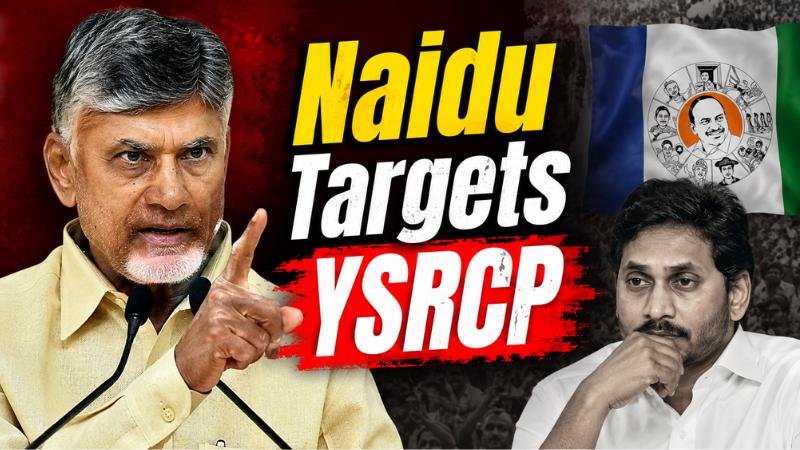
February 4, 2026, is emerging as an important day in Andhra Pradesh’s political scene, with key developments involving the state’s top leaders. A significant meeting is expected between Chief Minister Chandrababu Naidu and Deputy Chief Minister Pawan Kalyan at the Chief Minister’s residence in Undavalli. The discussion is likely to focus on major current issues, including the Tirumala Laddu controversy and the ongoing political exchanges between the ruling alliance and the opposition. The outcome of this interaction could influence the direction of political conversations in the days ahead. Former Chief Minister YS Jagan Mohan Reddy is on his regular visit to Andhra Pradesh and is expected to arrive in Guntur. During his visit, he is likely to meet the family of Ambati Rambabu to offer condolences, a move that may once again bring attention to the controversy surrounding the issue. His presence and remarks are expected to draw political responses and further intensify the rivalry between the government and the opposition. With Chandrababu Naidu, Pawan Kalyan, and YS Jagan Mohan Reddy all making notable moves on the same day, the political atmosphere in the state is set to remain active. These developments may shape public discussion and media focus in the coming weeks, as both the Tirumala Laddu issue and the Ambati Rambabu matter continue to fuel debate across Andhra Pradesh.
Game-Changing Moves in AP Politics: Chandrababu Naidu, Pawan Kalyan, and YS Jagan's Key Actions
February 4, 2026, is emerging as an important day in Andhra Pradesh’s political scene, with key developments involving the state’s top leaders. A significant meeting is expected between Chief Minister Chandrababu Naidu and Deputy Chief Minister Pawan Kalyan at the Chief Minister’s residence in Undavalli. The discussion is likely to focus on major current issues, including the Tirumala Laddu controversy and the ongoing political exchanges between the ruling alliance and the opposition. The outcome of this interaction could influence the direction of political conversations in the days ahead. Former Chief Minister YS Jagan Mohan Reddy is on his regular visit to Andhra Pradesh and is expected to arrive in Guntur. During his visit, he is likely to meet the family of Ambati Rambabu to offer condolences, a move that may once again bring attention to the controversy surrounding the issue. His presence and remarks are expected to draw political responses and further intensify the rivalry between the government and the opposition. With Chandrababu Naidu, Pawan Kalyan, and YS Jagan Mohan Reddy all making notable moves on the same day, the political atmosphere in the state is set to remain active. These developments may shape public discussion and media focus in the coming weeks, as both the Tirumala Laddu issue and the Ambati Rambabu matter continue to fuel debate across Andhra Pradesh.


