

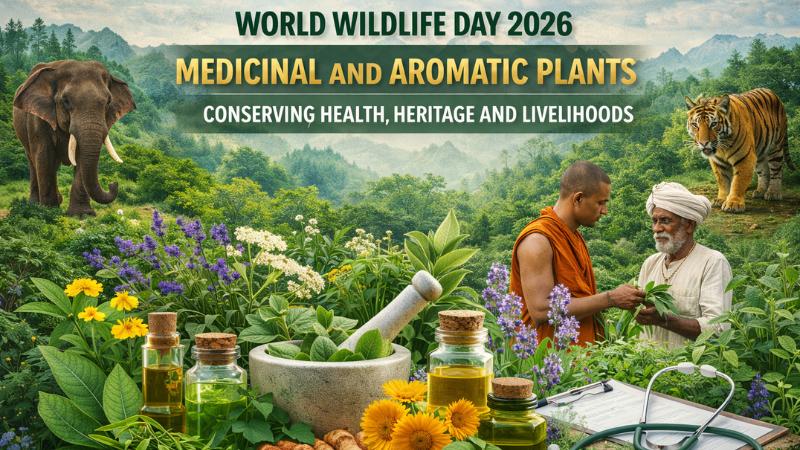

World Wildlife Day, observed annually on March 3, brings attention to the importance of conserving wildlife and biodiversity, and this year, the focus is on the preservation of medicinal and aromatic plants. These plants, integral to both traditional and modern healthcare, hold significant value for ecological sustainability, cultural heritage, and public health. The theme for 2026, "Medicinal and Aromatic Plants: Conserving Health, Heritage and Livelihoods," highlights the growing need to sa
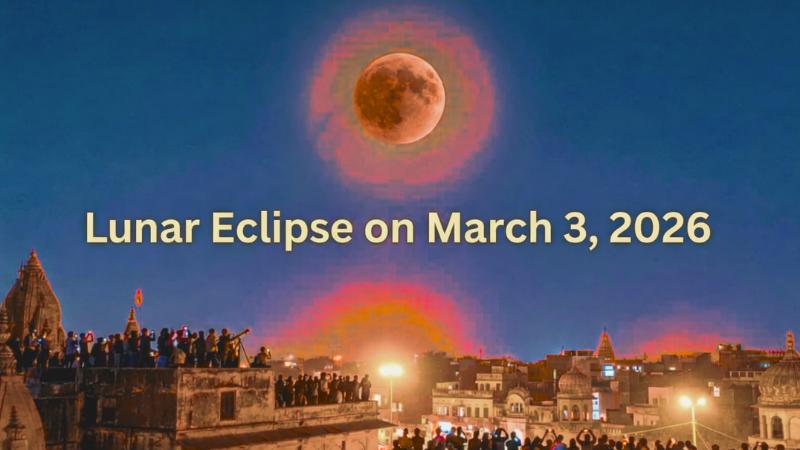
On March 3, 2026, a Total Lunar Eclipse will occur, often referred to as a Blood Moon due to the deep red color the Moon will turn during totality. This happens when the Earth passes directly between the Sun and the Moon, casting its shadow completely over the Moon. Why Is It Called a Blood Moon? During the total lunar eclipse, Earth completely blocks direct sunlight from reaching the Moon. However, some sunlight filters t