






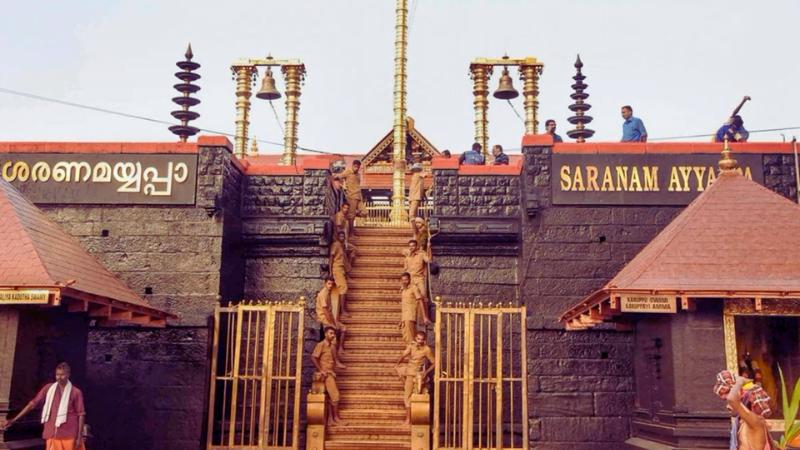
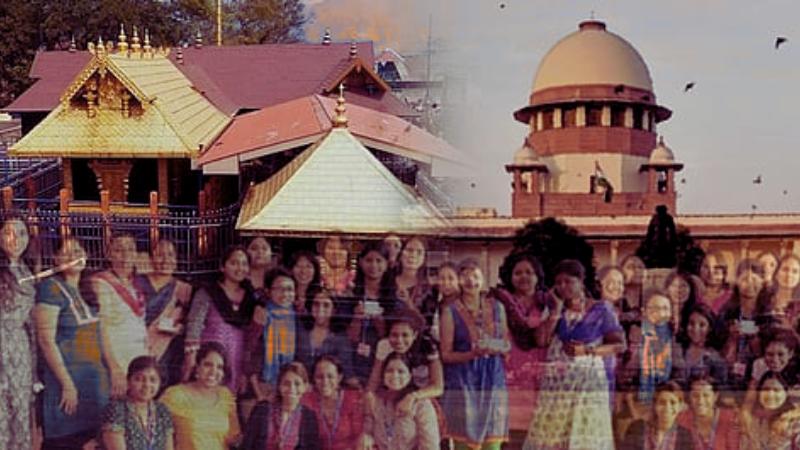











The Supreme Court of India, while hearing the Sabarimala Temple case, made key observations on religious access and unity within Hindu society.
The Supreme Court of India, on Day 6 of hearings in the Sabarimala women's entry case, focused on key constitutional questions surrounding religious freedom and judicial review. The bench observed that while certain limitations e
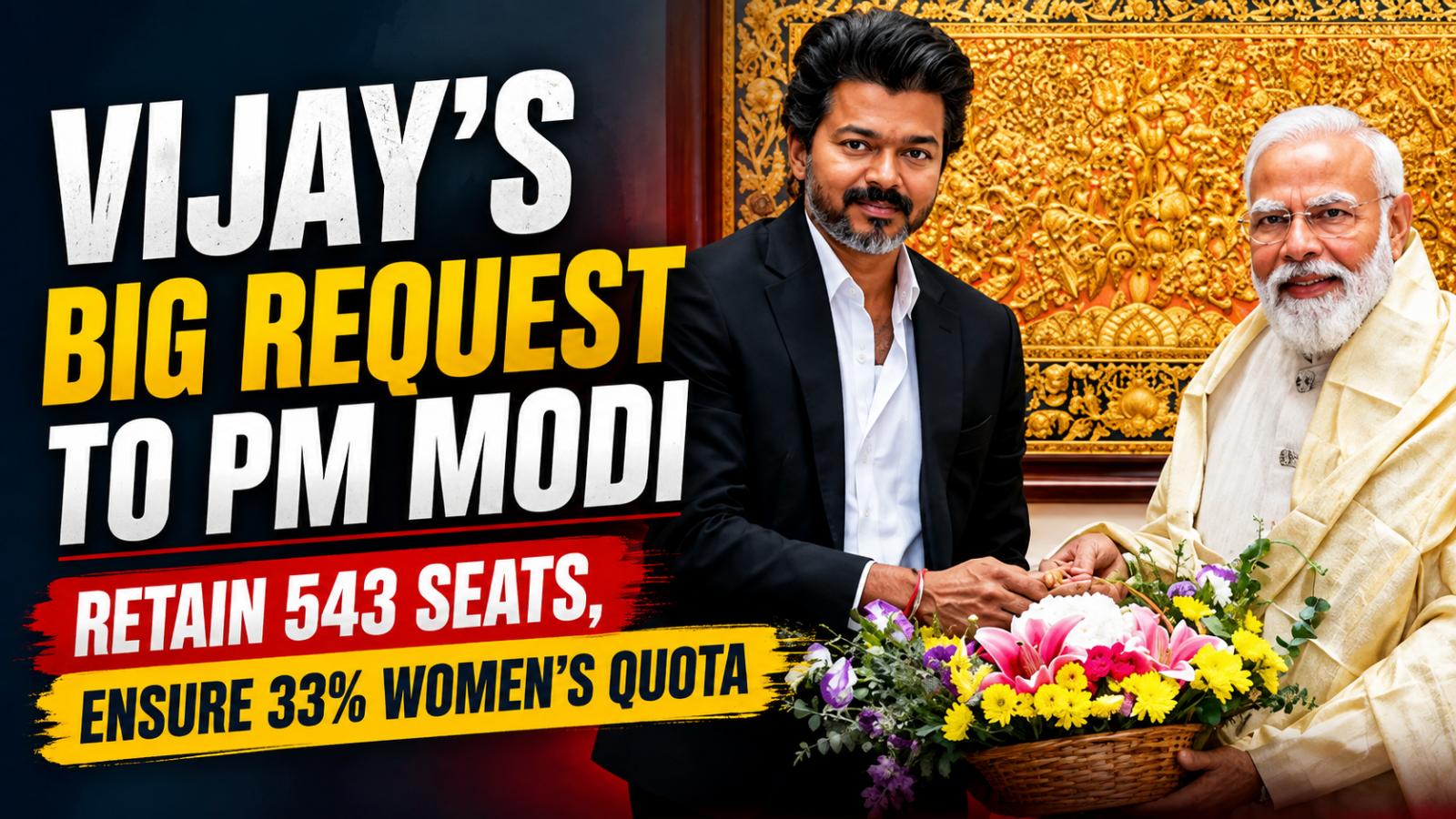
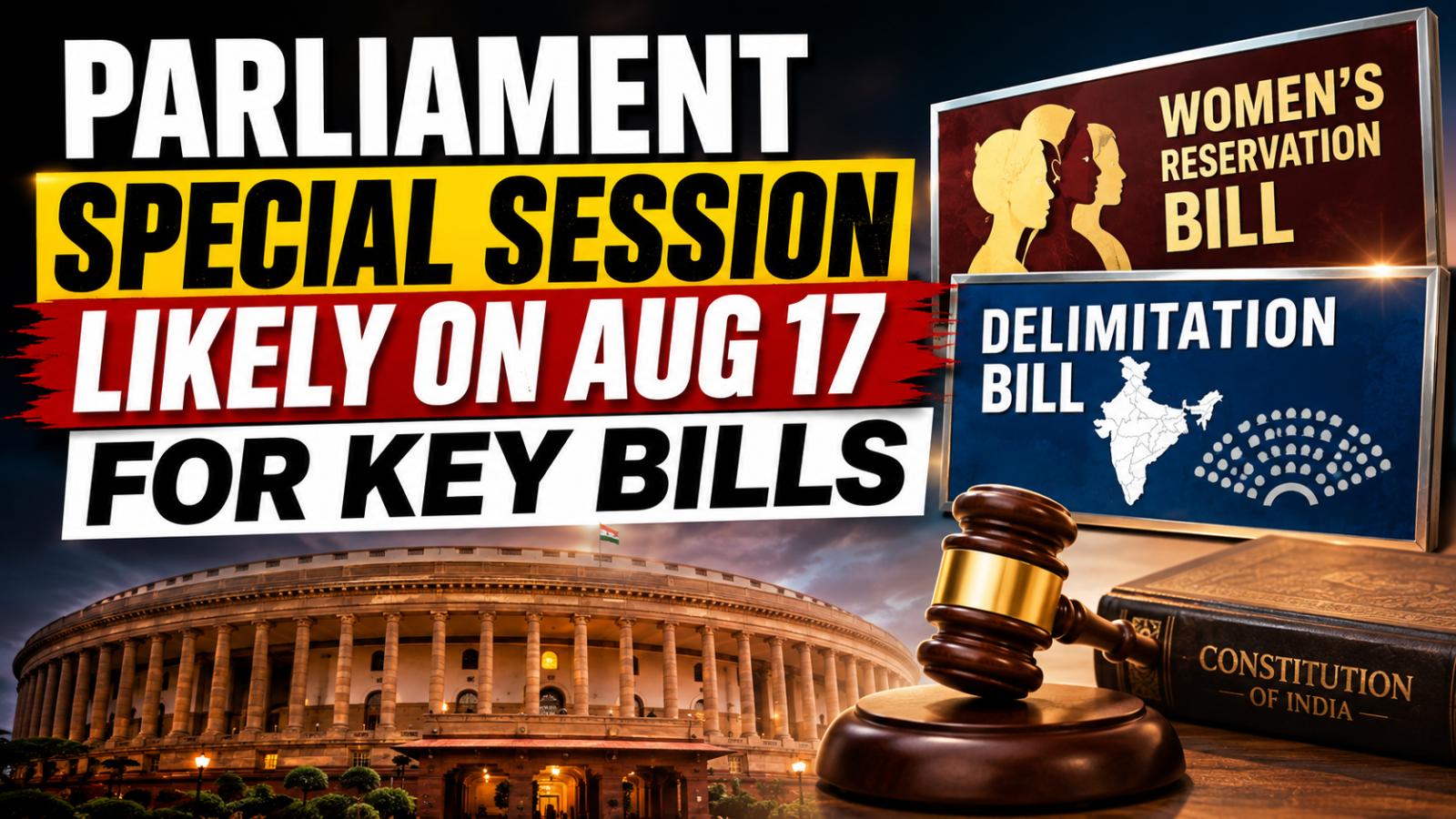
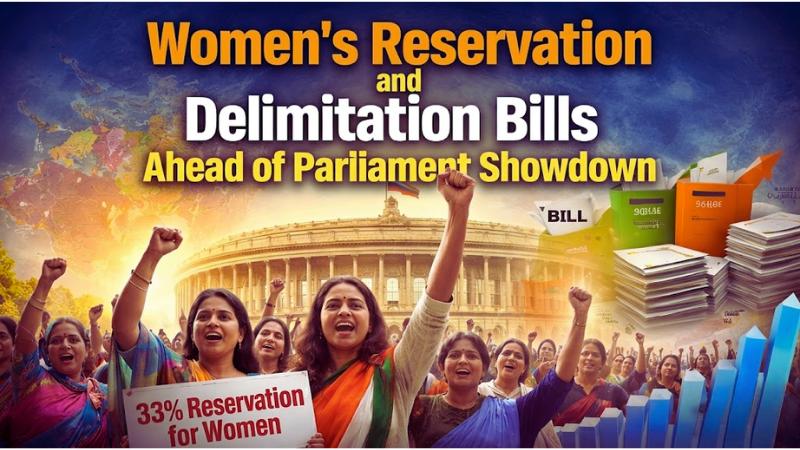
The Women’s Reservation Bill proposes a 33% quota for women in the Lok Sabha and state assemblies, expected to be implemented from 2029. Initially linked to the 2027 Census and a subsequent delimitation process, the government has now moved to fast-track implementation by using 2011 Census data, effectively delinking it from the 2027 Census timeline. Expansion of Lok Sabha and Representation Concerns
Ambedkar Jayanti is observed every year on April 14 to mark the birth anniversary of B. R. Ambedkar, one of India’s greatest reformers and the chief architect of the Constitution. The day is celebrated across the country to hon
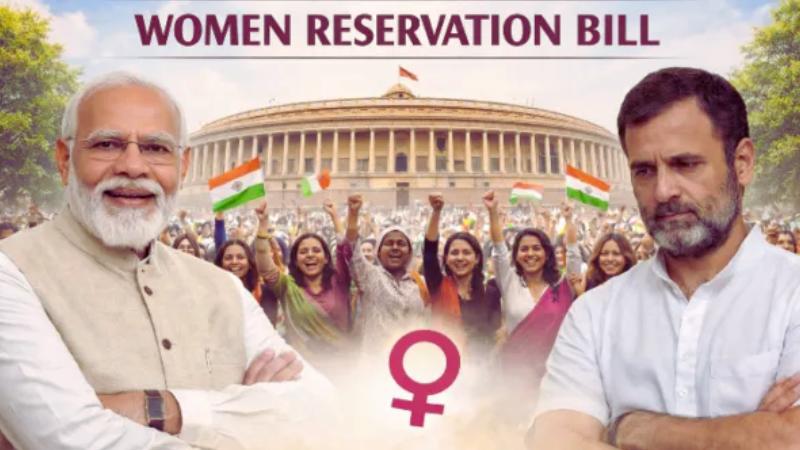
The Centre's push to fast-track the Women's Reservation Bill ahead of the 2029 Lok Sabha elections faces a significant hurdle due to the lack of assured support from the Congress-led Opposition. A special three-day session of Parliament, scheduled for April 16-18, aims to introduce amendments to implement 33% reservation for women in the Lok Sabha and state assemblies before 2029, bypassing the current timeline tied to the post-2027 Census delimitation. Despite Prime Minister Modi's appeal for bipartisan support and a BJP whip for full attendance, the government's efforts may fall short without Congress's backing. The Opposition’s concerns primarily revolve around the proposed linkage of reservation with delimitation, which they argue could disproportionately benefit northern states and harm southern and northeastern regions. The proposed amendments also include increasing the number of Lok Sabha seats by up to 50%, further intensifying opposition resistance. Congress leaders, including Sonia Gandhi and Mallikarjun Kharge, have demanded broader consultations and clarity on the implications of such changes. The Opposition’s final stance, expected after an INDIA bloc meeting, will be crucial in determining whether the amendment secures the required support or faces a roadblock.