
Supreme Court of India on Sabarimala Temple Case: Limits Exist, but Judicial Review Must Continue
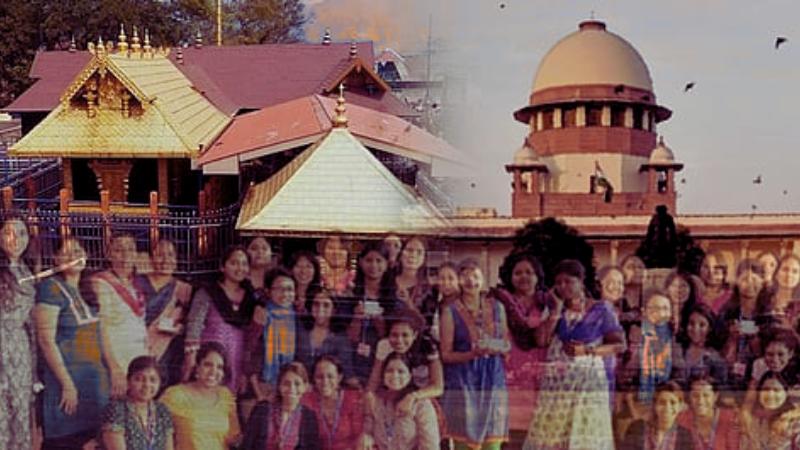
The Supreme Court of India, on Day 6 of hearings in the Sabarimala women's entry case, focused on key constitutional questions surrounding religious freedom and judicial review. The bench observed that while certain limitations exist, the power of judicial review remains a fundamental feature of the Constitution and cannot be curtailed.
During the proceedings, the court examined arguments on whether religious practices can be challenged through writ petitions. It clarified that although judicial intervention has defined boundaries, completely excluding judicial review would not align with the constitutional framework.
The hearing also addressed the balance between individual rights under Article 25 and the rights of religious denominations under Article 26. The bench considered how far courts can scrutinise religious customs and whether principles such as constitutional morality should guide such assessments.
The case continues to centre on concerns over alleged discrimination in temple entry and the broader scope of judicial oversight of religious practices. With multiple perspectives being presented, the proceedings are expected to play a key role in shaping the interpretation of religious rights and judicial authority in India.