
The Centre may convene a special Parliament session from August 17 to reconsider legislation connecting delimitation with the implementation of women’s reservation. The reported plan remains tentative as the government evaluates political support needed to pass a constitutional amendment in both Houses.
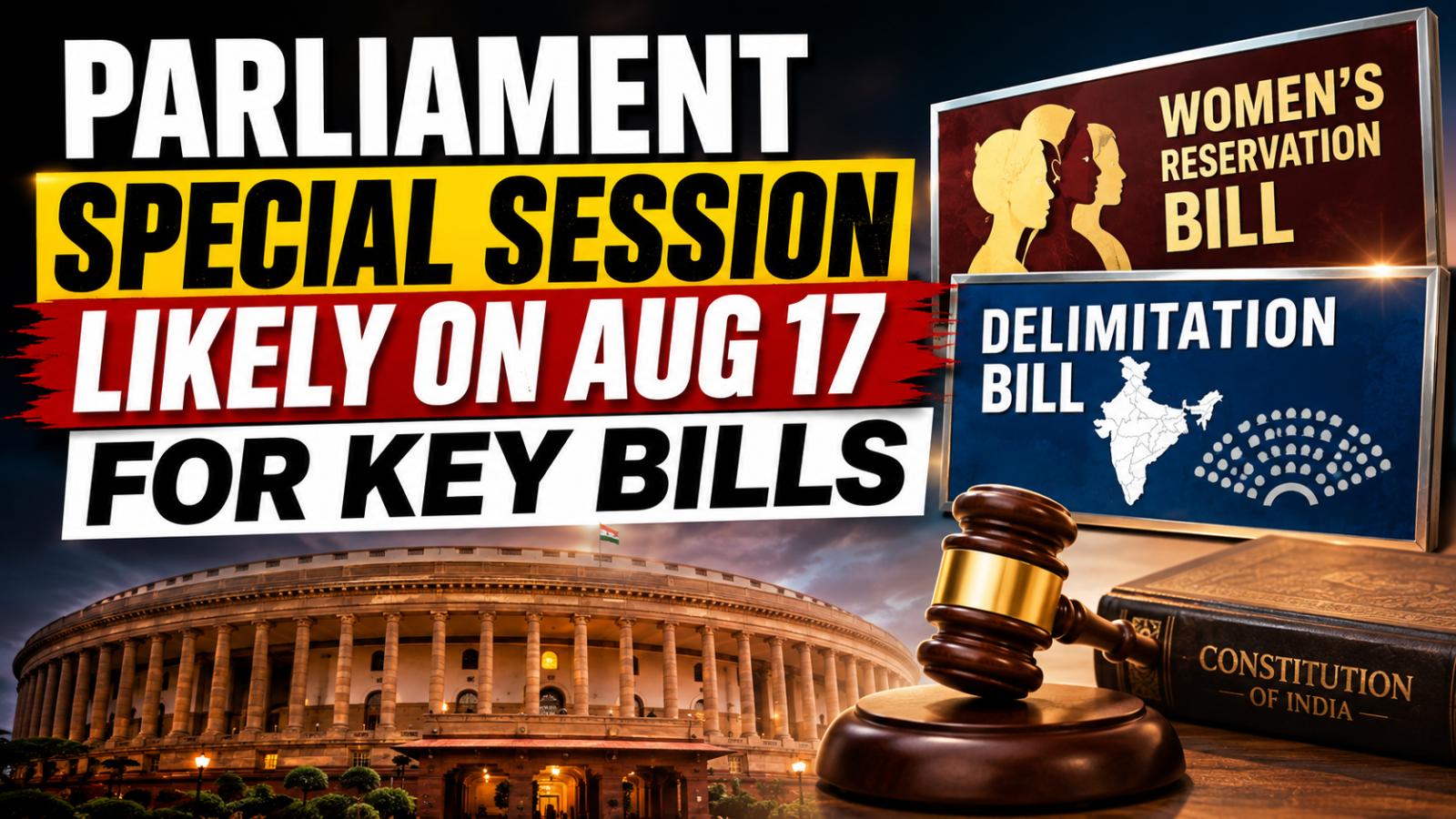
Parliament Special Session Likely on Aug 17 for Key Bills
New Delhi: The Narendra Modi government may convene a special session of Parliament beginning August 17 to reconsider its proposed delimitation and women’s reservation legislative package, according to government sources.
The reported session could be held shortly after the Monsoon Session concludes on August 13. Parliament may not be immediately prorogued, which would allow the government to reconvene the Houses at relatively short notice. However, no official notification announcing the special session has been issued.
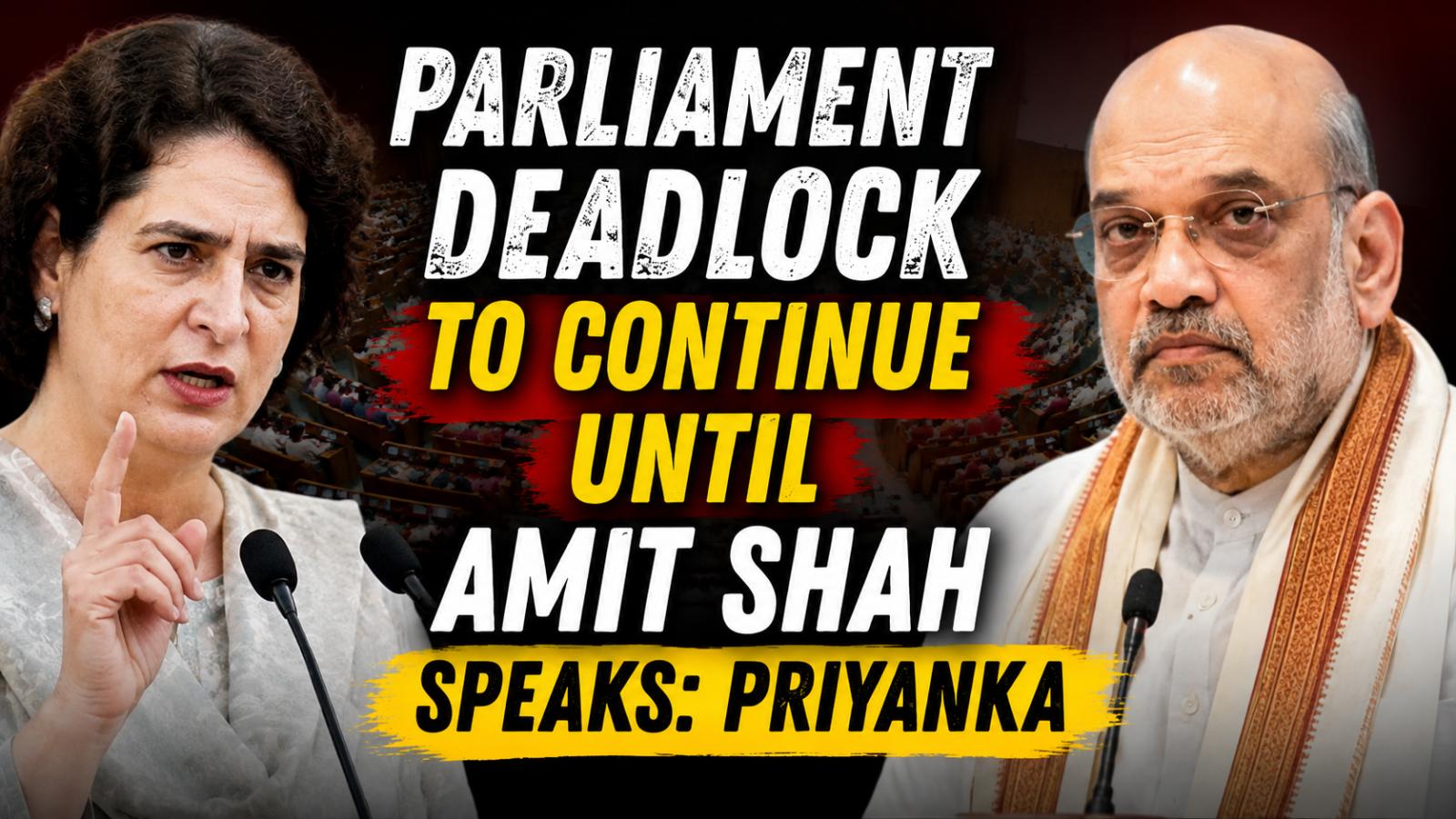
The government is reportedly assessing whether it can secure the support required for a constitutional amendment. Such legislation must receive a majority of the total membership of each House and at least two-thirds support from members present and voting.
Special Session Plan Remains Tentative
Sources indicated that August 17 is being considered as a possible starting date for a three-day session. The final decision is expected to depend on whether the Centre is confident that the proposed amendment can clear both the Lok Sabha and Rajya Sabha.
The government’s earlier attempt to pass the Constitution (131st Amendment) Bill failed in the Lok Sabha on April 17. The legislation received 298 votes in favour and 230 against, falling short of the special majority required for a constitutional amendment.
Delimitation Proposal Could Expand Lok Sabha
The legislative package considered in April included the Constitution (131st Amendment) Bill, the Delimitation Bill and amendments concerning Union Territories. It proposed increasing the maximum strength of the Lok Sabha to 850 members, with up to 815 representatives from states and 35 from Union Territories.
The proposal sought to conduct delimitation using the latest published census and operationalise the reservation of one-third of seats for women in the Lok Sabha and state legislatures. The Delimitation Commission would also identify seats to be reserved for women, including women from Scheduled Caste and Scheduled Tribe communities.
Women’s Quota Linked to Political Strategy
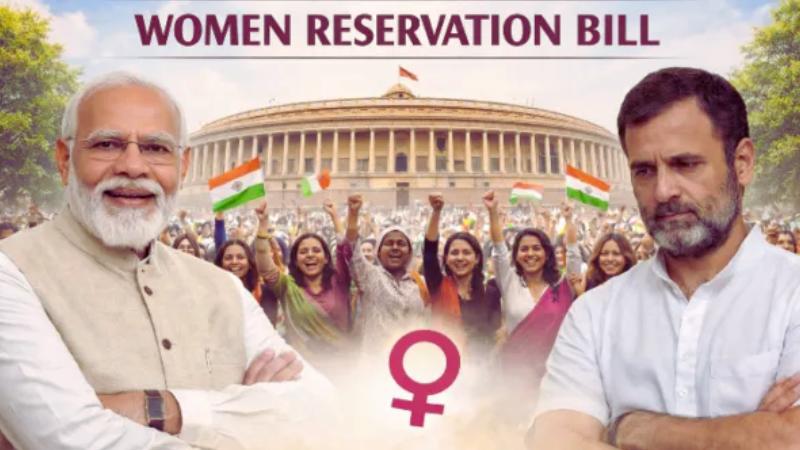
Parliament passed the Nari Shakti Vandan Adhiniyam in 2023, providing 33 per cent reservation for women in the Lok Sabha and state assemblies. However, its implementation was linked to a census followed by delimitation.
The proposed 2026 amendment was designed to accelerate that process and potentially introduce the quota before the 2029 Lok Sabha election. The Centre is also reportedly reviewing a revised framework that could preserve each state’s existing share of parliamentary seats while increasing the overall strength of the Lok Sabha and state assemblies.
Southern States Remain Concerned
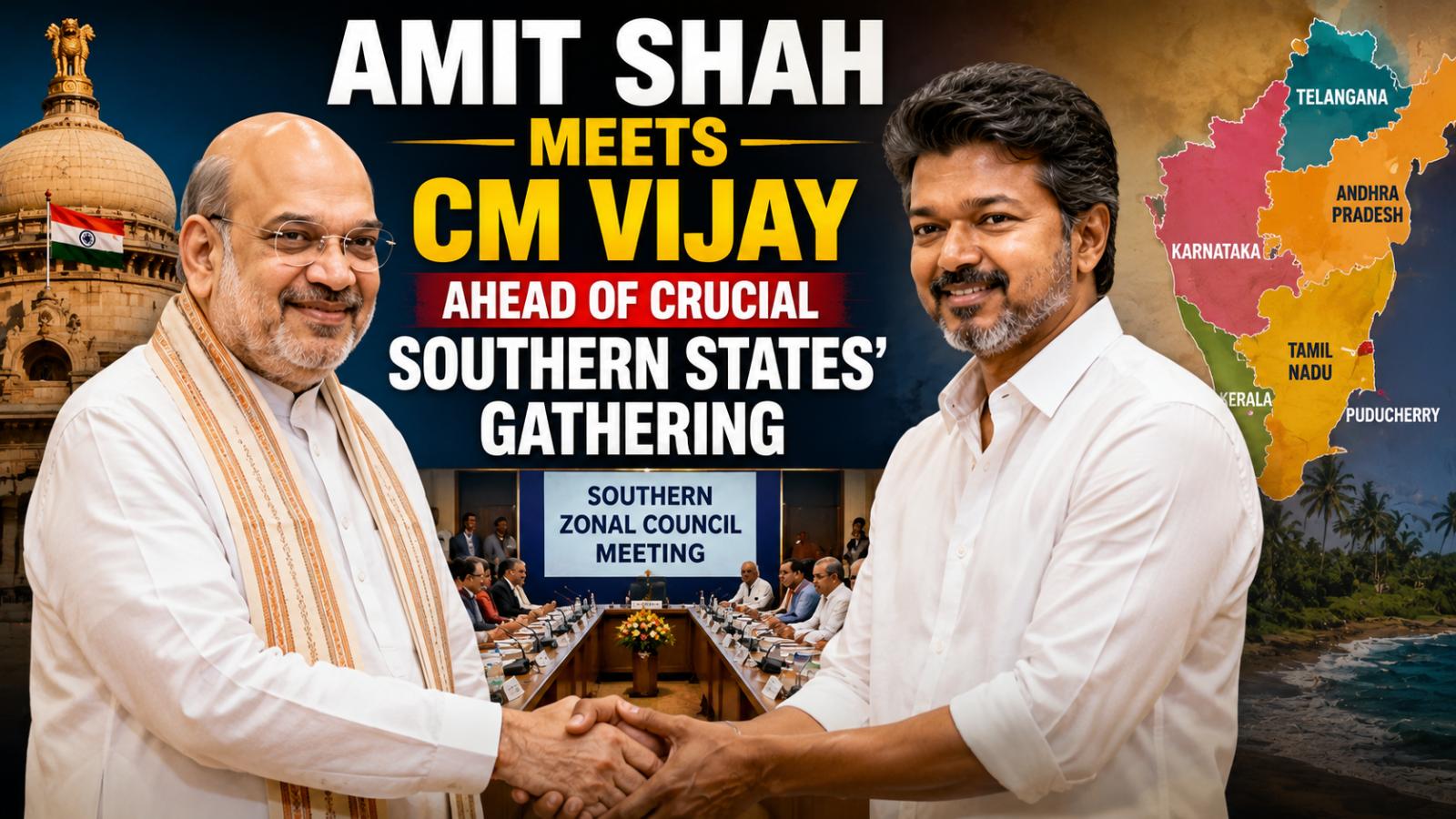
Delimitation remains politically sensitive, particularly in southern states that fear losing their relative influence if parliamentary seats are distributed mainly according to population. Critics have argued that states which successfully controlled population growth should not face a reduction in their share of national representation.
The government has maintained that the expansion can be structured without reducing any state’s existing number of seats. Still, securing support from regional parties could determine whether the revised legislation reaches Parliament and clears the constitutional threshold.
Until the government issues an official parliamentary schedule, the proposed August 17 special session and its legislative agenda should be treated as under consideration rather than confirmed.