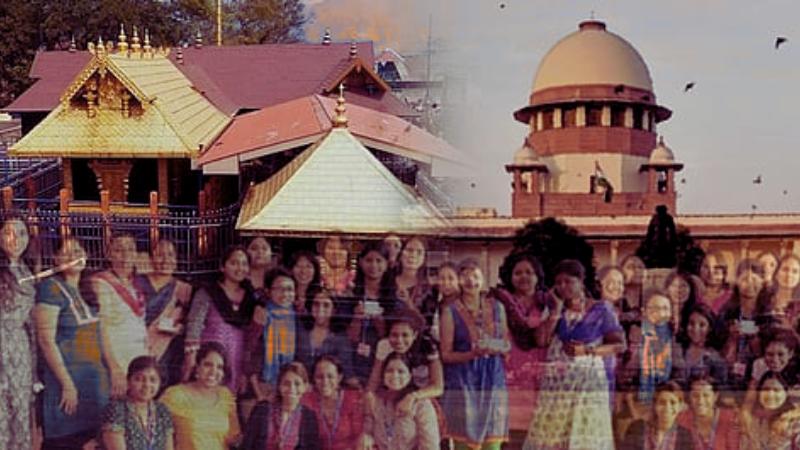

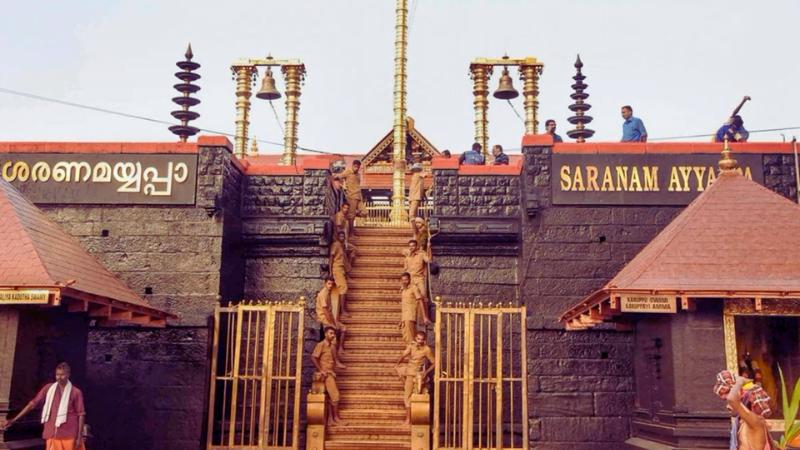
The Supreme Court of India, while hearing the Sabarimala Temple case, made key observations on religious access and unity within Hindu society. B. V. Nagarathna emphasised that temples of a public character should not exclude devotees on denominational grounds, noting that such practices could weaken the community itself.
The court was responding to arguments presented by senior advocates on the rights of religious denominations under Article 26 of the Constitution of India. It was argued that a denomination is a distinct group with the autonomy to manage its own religious practices. However, the bench indicated that principles of inclusivity and social reform must also be taken into account.
The hearing forms part of a broader constitutional debate on the Sabarimala temple entry issue, which raises questions about the balance between religious freedom and equality. The court is examining whether restrictions on entry can be justified under constitutional protections or if they violate fundamental rights.
The bench also highlighted the role of the state in promoting social reform, noting its responsibility to act against discriminatory practices. Discussions have centred on interpreting Article 25 of the Constitution of India and Article 26, which together define the scope of religious freedom and denominational rights.
The matter continues before a Constitution bench, with further arguments expected as the court navigates complex issues involving faith, tradition, and constitutional values. The final outcome is likely to have far-reaching implications for religious practices and access to places of worship across India.