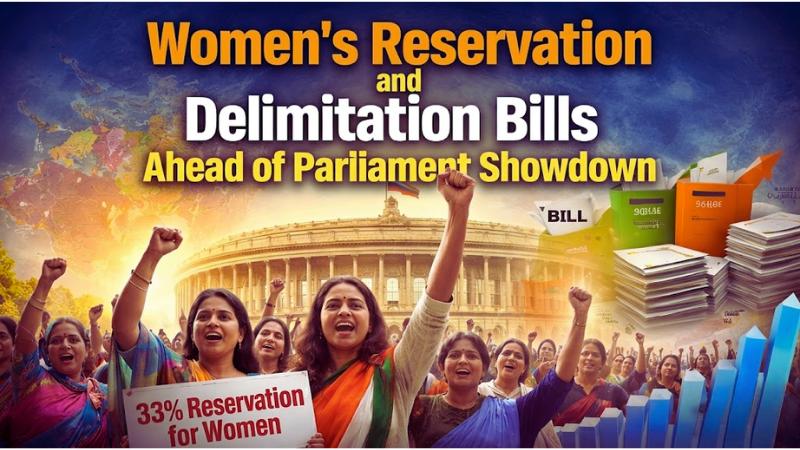
The Women’s Reservation Bill proposes a 33% quota for women in the Lok Sabha and state assemblies, expected to be implemented from 2029. Initially linked to the 2027 Census and a subsequent delimitation process, the government has now moved to fast-track implementation by using 2011 Census data, effectively delinking it from the 2027 Census timeline.
Expansion of Lok Sabha and Representation Concerns
The Constitutional Amendment Bill proposes expanding the Lok Sabha from 543 to 850 seats, with 273 seats reserved for women. It also suggests revising state assembly seat allocations based on population data, raising concerns about regional imbalance.
Opposition parties, including the Congress and several regional groups, argue that using 2011 Census data could disadvantage states that have successfully controlled population growth. They warn this may benefit northern states like Uttar Pradesh and Bihar while reducing representation for southern states such as Tamil Nadu, Kerala, and Andhra Pradesh.
Key Issue: Census Data Debate
A major point of contention is the use of the 2011 Census for delimitation. Opposition leaders like Mallikarjun Kharge and Sonia Gandhi have criticized the move, calling it politically motivated. Tamil Nadu Chief Minister M.K. Stalin has described it as a “penalty” on southern states and warned of protests if representation is reduced.
Delimitation Commission and Federal Concerns
The proposal includes setting up a Delimitation Commission to allocate Lok Sabha and assembly seats, including reservations for SC/ST communities and women. The commission will also decide the rotation of reserved constituencies. However, southern leaders fear this population-based approach could weaken their political influence.
The issue is further complicated by the linkage to the Nari Shakti Vandan Adhiniyam (2023), originally aimed at empowering women. Critics argue that combining it with delimitation risks turning it into a political tool and have called for separating the two processes.
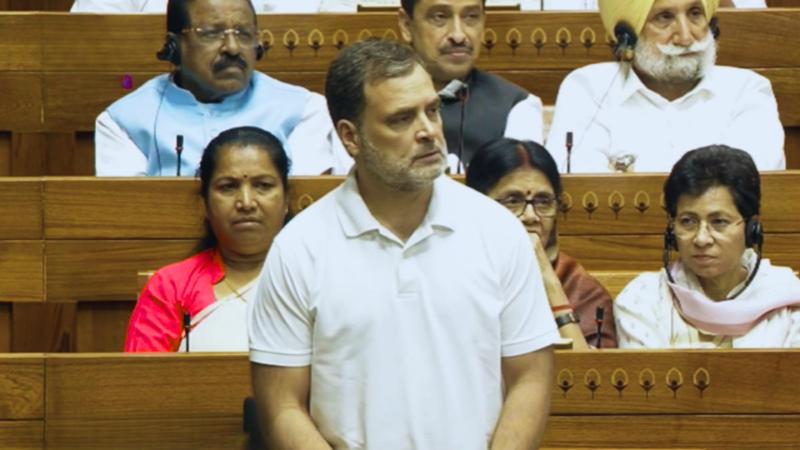
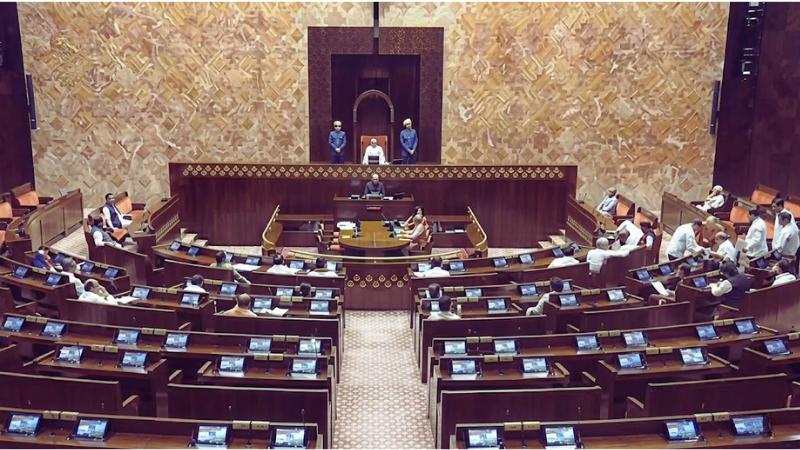
As the special session progresses, Union Law Minister Arjun Ram Meghwal and Home Minister Amit Shah are expected to lead the debate. With the Opposition strongly challenging the proposals, the session is likely to be contentious. Prime Minister Narendra Modi is also expected to address Parliament, outlining the government’s stance.