










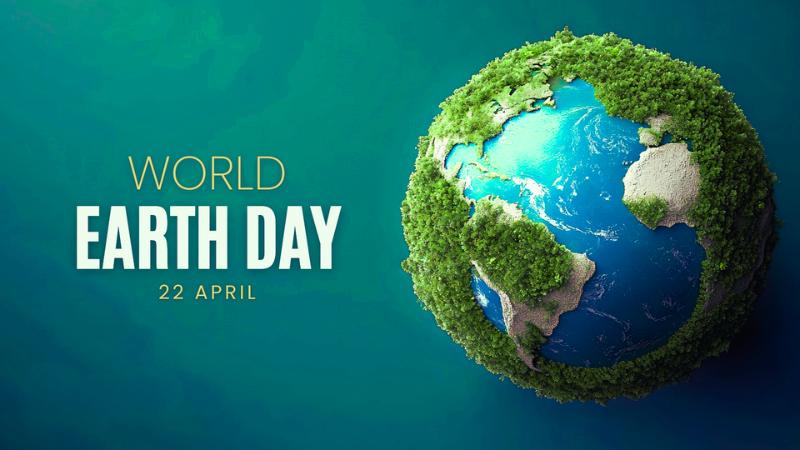










Earth Day is observed every year on April 22 to raise awareness about environmental protection and inspire action for a healthier planet. It serves as a global reminder of the need to preserve natural resources and reduce the impact of human activities on the environment. The first Earth Day was celebrated in 1970 in the United States, led by
Recent satellite data have revealed that Earth’s nights are becoming increasingly brighter due to a sharp rise in artificial lighting across the globe. Scientists have found that this change is not uniform, with different regions showing varied trends based on development, energy access, and socio-political factors. A global study has shown that artificial lighting increased by around 16% between 2014 and 2022. The findings highlight that nighttime brightness does not simply grow
World Wildlife Day, observed annually on March 3, brings attention to the importance of conserving wildlife and biodiversity, and this year, the focus is on the preservation of medicinal and aromatic plants. These plants, integral to both traditional and modern healthcare, hold significant value for ecological sustainability, cultural heritage, and public health. The theme for 2026, "Medicinal and Aromatic Plants: Conserving Health, Heritage and Livelihoods," highlights the growing need to sa
Visakhapatnam has reached a significant milestone by securing a USD 1 million grant in the 2025–2026 Bloomberg Philanthropies Mayors Challenge, a highly regarded international competition. Chosen from over 630 cities globally, this award acknowledges the city’s citizen-led climate resilience initiative, the Vizag–Prajamukhi Urban Living Lab (V-PULL). The V-PULL initiative, spearheaded by the Greater Visakhapatnam Municipal Corporation (GVMC), focuses on enhancing resilience ag