

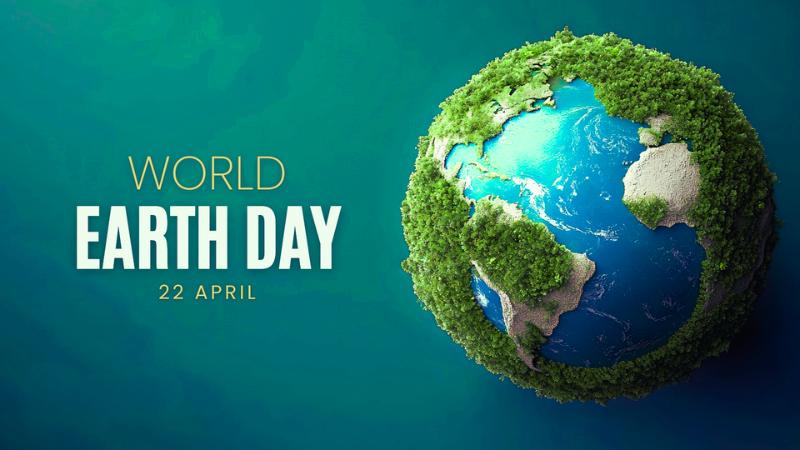
Earth Day is observed every year on April 22 to raise awareness about environmental protection and inspire action for a healthier planet. It serves as a global reminder of the need to preserve natural resources and reduce the impact of human activities on the environment.
The first Earth Day was celebrated in 1970 in the United States, led by Gaylord Nelson. The initiative aimed to highlight issues such as pollution and ecological damage, drawing participation from nearly 20 million people—one of the largest public movements of its time. It later contributed to the creation of key environmental laws and institutions focused on protecting nature.
Over the years, Earth Day has evolved into a global movement. By 1990, it had expanded to more than 140 countries, and today, over 190 nations—including India—actively take part. Governments, organisations, and individuals unite to promote environmental awareness and sustainable practices.
Earth Day plays a crucial role in highlighting challenges such as climate change, pollution, deforestation, and biodiversity loss. It encourages simple yet impactful actions like reducing plastic use, conserving water, and saving energy in daily life.
With environmental concerns intensifying worldwide, Earth Day remains more relevant than ever. It underscores the importance of collective responsibility, reminding us that small individual efforts can combine to create meaningful, lasting change for the planet.