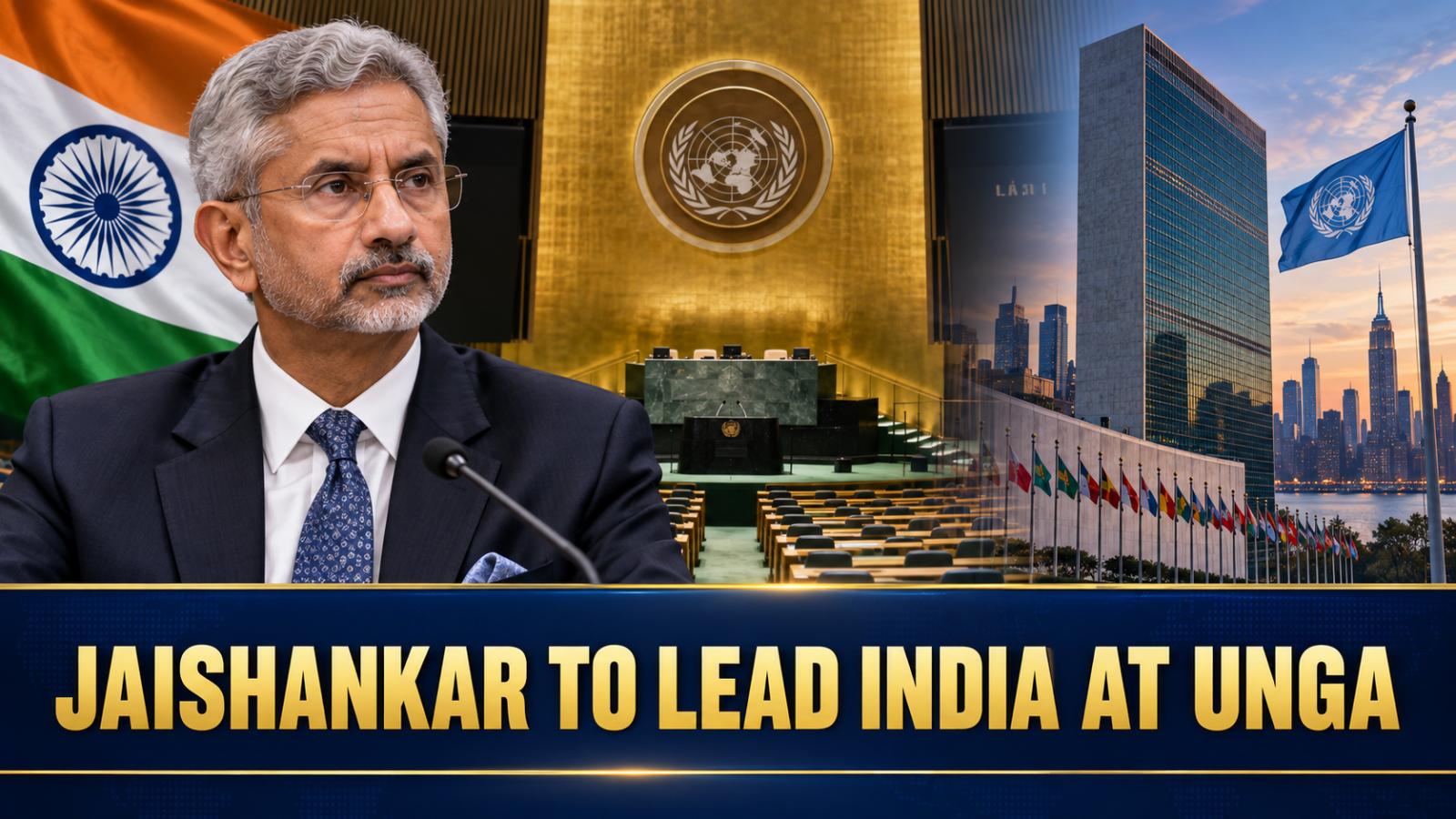

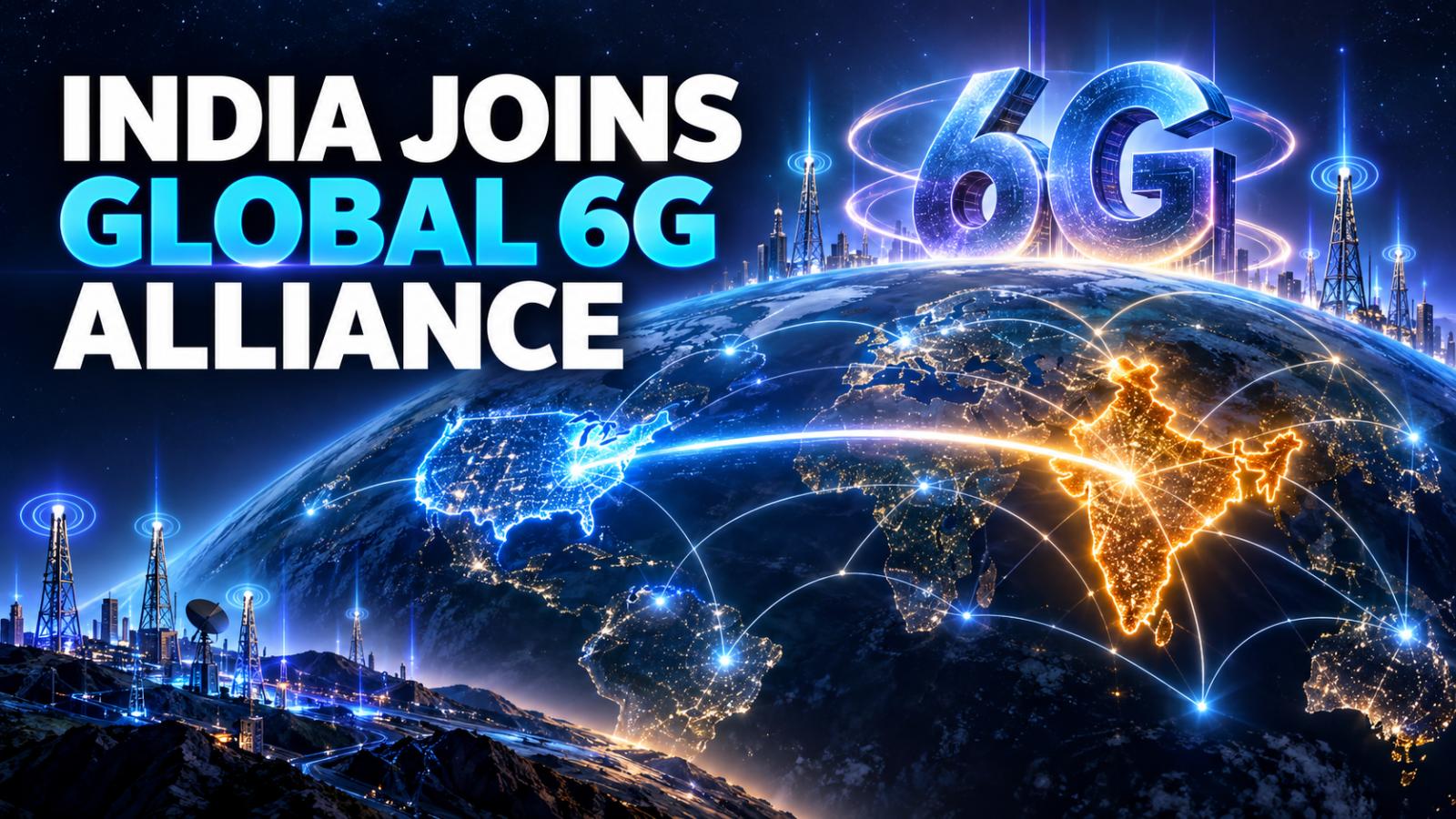
India joined the United States and 24 other nations in a global 6G initiative announced in Washington, DC, on Monday, September 7, 2026. The agreement followed talks between Jitin Prasada and Howard Lutnick during the G20 Innovation Ministerial held in Chapel Hill, North Carolina.
India Joins International Effort to Shape Future 6G NetworksIndia has joined the United States and 24 other countries in an international initiative aimed at guiding the development and deployment of next-generation 6G telecommunications networks.
The US Department of Commerce announced India’s participation following a bilateral meeting between US Commerce Secretary Howard Lutnick and Union Minister of State for Commerce and Industry Jitin Prasada. The two ministers discussed the future of 6G on the sidelines of the G20 Innovation Ministerial in North Carolina.
According to the US announcement, the participating countries will work to ensure that future communication networks reflect shared security interests, strengthen economic competitiveness and encourage innovation. India’s inclusion gives the initiative access to one of the world’s largest telecommunications markets and a rapidly expanding digital ecosystem.
The move also provides India with an opportunity to participate in international discussions before commercial 6G standards and infrastructure models are finalised. This could help Indian researchers, manufacturers, startups and network operators contribute to the technologies that will shape the next generation of mobile connectivity.
Alliance Focuses on Security, Competition and InnovationSecurity is expected to be a central part of global 6G development because future networks could support artificial intelligence, autonomous systems, advanced manufacturing, smart cities and other critical services.
Countries involved in the initiative are seeking trusted and resilient networks that can withstand cyberattacks, supply-chain disruptions and other emerging threats. Cooperation may cover common technical principles, research partnerships, spectrum planning and the development of interoperable communication systems.
The initiative also has an economic dimension. Nations that contribute to early 6G research and standards may gain advantages in patents, equipment manufacturing, software development and commercial deployment.
India’s participation could support domestic companies seeking international partnerships while giving global businesses access to India’s telecom market, engineering workforce and growing research base.
Innovation Talks Follow G20 Ministerial in North CarolinaJitin Prasada led the Indian delegation at the G20 Innovation Ministers’ meeting held on September 1 and 2 in Chapel Hill, North Carolina. The gathering was hosted by the US Department of Commerce and the White House Office of Science and Technology Policy.
During the ministerial, Prasada participated in discussions concerning pro-innovation policy frameworks, technology-led prosperity and skilled workforce development. He also held meetings with government representatives and technology leaders to explore cooperation in emerging sectors, including artificial intelligence and semiconductors.
India presented innovation as a tool for inclusive growth and highlighted the need for enabling policies, technical skills and international collaboration. The subsequent 6G announcement indicates that advanced telecommunications has become another important component of India-US technology engagement.
Bharat 6G Mission Gains Stronger Global ConnectionIndia has already established the Bharat 6G Mission and Bharat 6G Alliance to bring together the government, industry, universities, research institutions and startups. Their objective is to strengthen domestic research and increase India’s contribution to global telecom standards.
The international initiative could complement that domestic strategy by expanding access to research partnerships, technology exchanges and coordinated policy discussions. The Bharat 6G Alliance has also pursued cooperation with overseas organisations to improve India’s position in the future telecom ecosystem.
Commercial 6G services are still years away, and the details of the new multinational arrangement have not been fully disclosed. Nevertheless, India’s early participation gives it a place in discussions concerning security, standards and innovation before the technology reaches large-scale deployment.
The development marks a significant step in India’s ambition to move beyond being a major consumer of communication technology and become an influential developer of future global telecom solutions.