
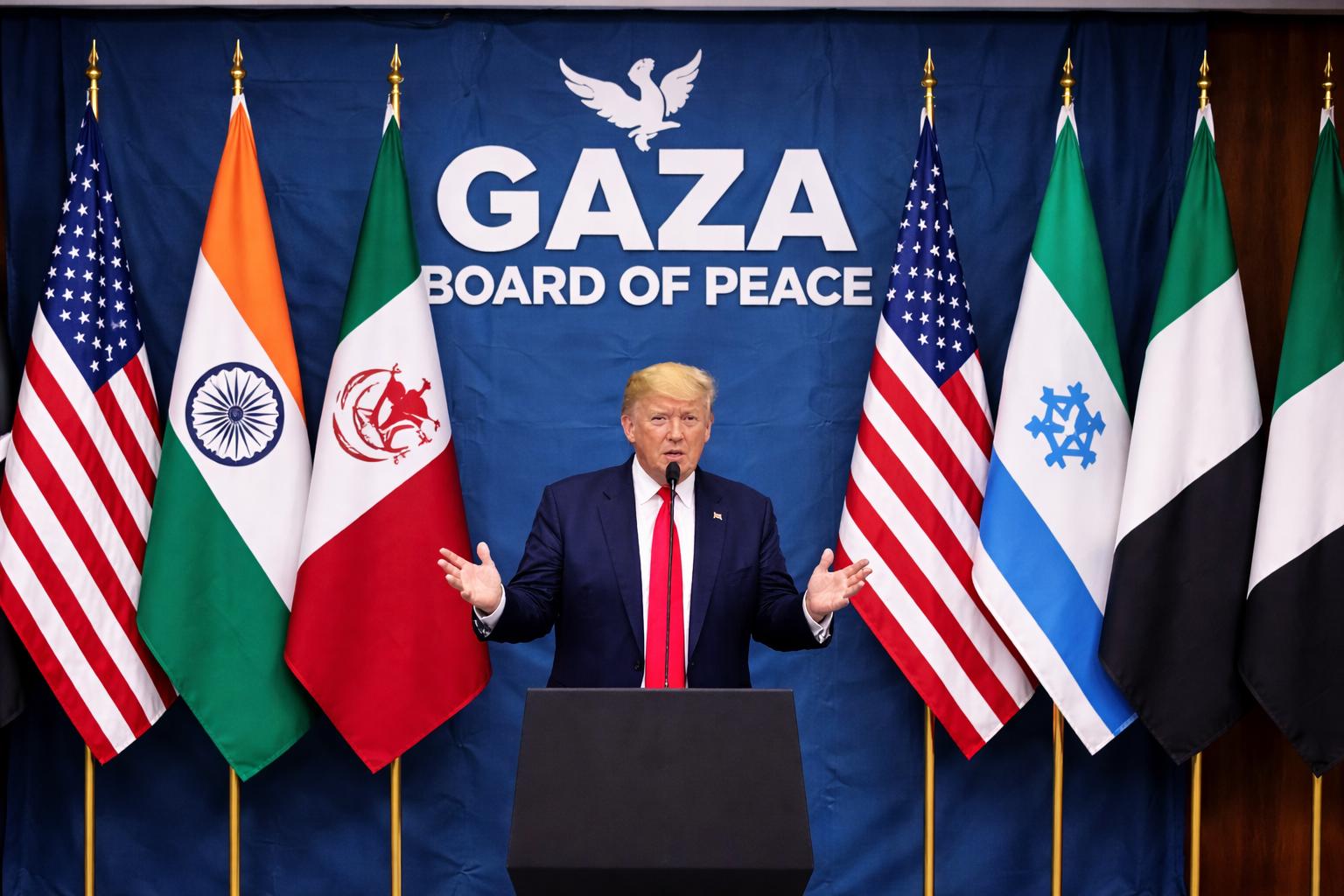
At the launch event held at the Donald J. Trump Institute of Peace, Trump announced a major financial commitment of $10 billion for the reconstruction of Gaza following the recent ceasefire. The initiative also received support from several Muslim-majority countries. Leaders from Qatar, Saudi Arabia and the United Arab Emirates each pledged at least $1 billion towards the effort. The White House Press Secretary later stated that total international commitments had exceeded $6.5 billion, a figure that reportedly did not include the separate US pledge.
The Board of Peace was convened after a ceasefire agreement was reached in October following negotiations led by the United States in coordination with Qatar and Egypt. The ceasefire was intended to end nearly two years of intense conflict in Gaza. Under the proposed second phase of the framework, Hamas is expected to be disarmed as part of broader stabilisation efforts. The current war began after Hamas launched its October 7, 2023 attack on Israel, which triggered a large-scale Israeli military offensive in the Gaza Strip.
In a significant development, Morocco announced its readiness to contribute police personnel and officers to the newly proposed International Stabilisation Force. Officials described the move as an unprecedented step by an Arab nation within the context of the Gaza peace initiative, signalling expanding regional involvement in post-conflict security arrangements.
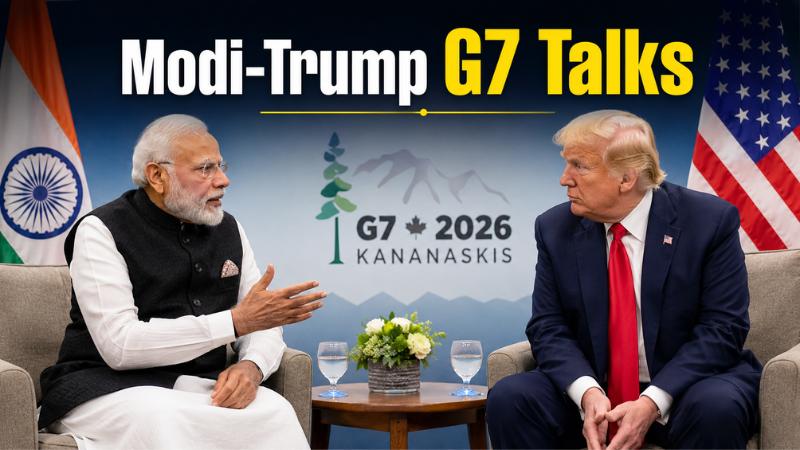
Prime Minister Narendra Modi was among several global leaders invited by the US President to be associated with the Board of Peace, which was unveiled as part of the second phase of the Israel-Hamas ceasefire framework. However, India was not present at the earlier January 22 ceremony in Davos where Trump first introduced the initiative aimed at working toward lasting peace in Gaza and potentially addressing other global conflicts.
Diplomatic observers note that India’s decision to attend as an observer reflects its cautious and balanced approach to the evolving Middle East situation. New Delhi has traditionally maintained strong ties across the region and is likely to continue evaluating the initiative’s structure, mandate and long-term implications before considering any deeper involvement.
The Board of Peace has also drawn international attention after Trump suggested that the body could potentially serve as an alternative global platform. He previously remarked that the organisation “might” replace the United Nations, arguing that existing multilateral institutions have not fully met expectations. As discussions continue, India is expected to remain engaged at the diplomatic level while monitoring how the peace initiative develops and what it could mean for regional and global stability.