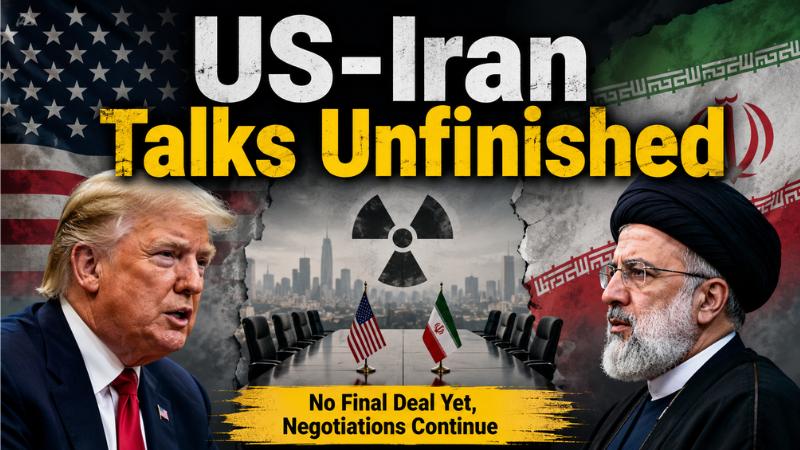

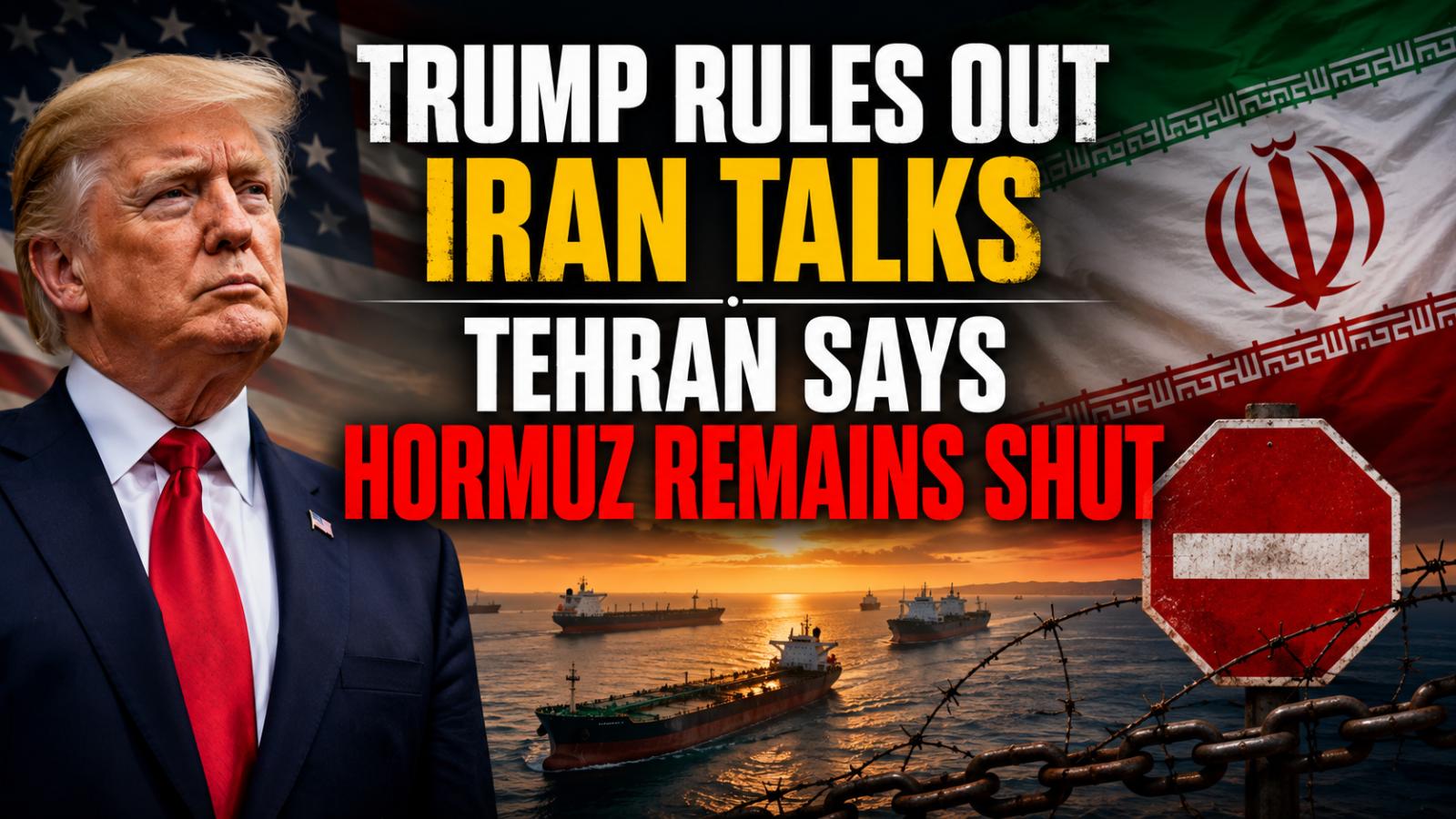
U.S. President Donald Trump said no talks are under way or scheduled with Iran, while Tehran insisted the Strait of Hormuz remains closed to shipping, exposing a widening gap after a ceasefire expired. Iranian officials said the strategic waterway would stay shut until Washington met conditions linked to an interim agreement signed in June.
Trump Rules Out Talks With IranTrump’s statement reduced expectations of an immediate diplomatic breakthrough. His remarks came after Jared Kushner, his son-in-law and special envoy, suggested contacts with Tehran were still active. Iran said it remained open to negotiations but would not accept talks under military or economic pressure. A senior Iranian official also said the country was moving toward a more offensive military posture because diplomacy had stalled.
The conflicting statements highlighted the uncertainty surrounding efforts to end the nearly six-month confrontation. Washington has repeatedly said preventing Iran from obtaining a nuclear weapon remains a major objective, while Tehran continues to demand sanctions relief and changes to U.S. military pressure before any broader settlement can move forward.
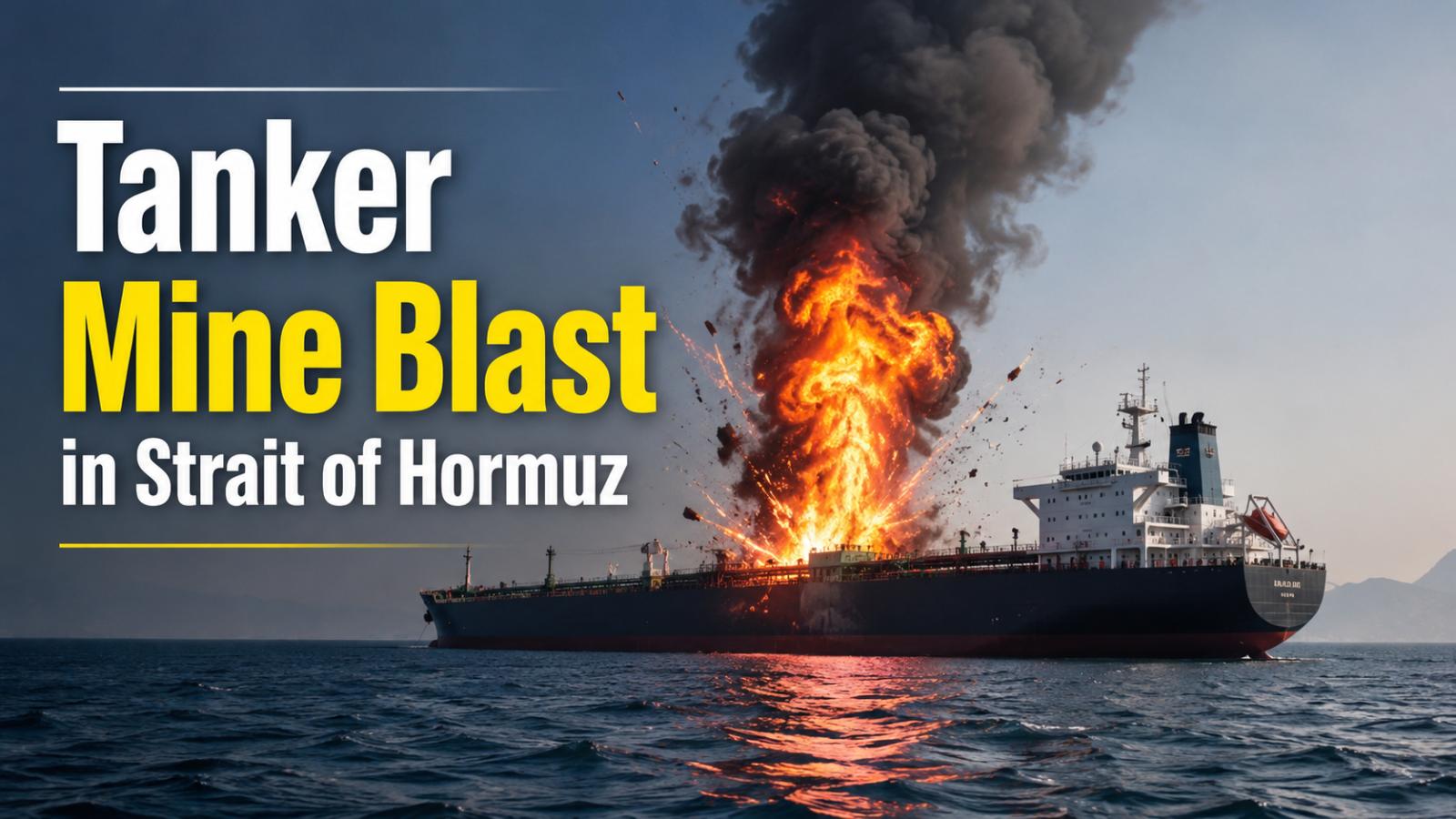
Hormuz Dispute Keeps Shipping Under PressureThe Strait of Hormuz remains the central flashpoint because it is one of the world’s most important energy shipping routes. Maritime traffic has remained limited, with preliminary data showing crossings in single digits. The United Kingdom Maritime Trade Operations also reported that a vessel leaving the strait was struck by an unknown projectile, damaging its engine room and causing a crew casualty.
The United Arab Emirates said it detected two ballistic missiles launched from Iran and assessed that they were aimed at maritime traffic. Both reportedly fell into the sea. Iran rejected the allegation, while the UAE later suspended trade and financial dealings with Tehran amid the continuing regional escalation.
Iran Sets Conditions For Reopening StraitIranian officials say Hormuz will remain closed until the United States meets terms linked to the June interim agreement. Tehran’s demands include ending the blockade of Iranian ports, lifting oil sanctions, releasing frozen Iranian assets and halting military threats and operations.
The June 17 memorandum established a 60-day period for reaching a broader agreement covering Iran’s nuclear programme and U.S. sanctions. That deadline expired without a settlement, and Trump said he did not intend to extend the arrangement. Iran maintains that it is willing to negotiate but will not treat negotiations as surrender.
Washington has also signaled that additional economic pressure could be imposed if Tehran does not change course, leaving the two sides locked in a prolonged political and military standoff.
Oil Markets React As Standoff DeepensThe crisis continues to affect global markets. Brent crude settled just above $91 a barrel on Tuesday as traders assessed the possibility of further supply disruption through the Gulf. Stock markets weakened and borrowing costs rose amid concerns that elevated energy prices could add to inflationary pressures.
With shipping disrupted and Washington and Tehran offering conflicting accounts of negotiations and the status of Hormuz, the risk of escalation remains high. The strategic waterway carried about a fifth of global oil and liquefied natural gas flows before the conflict, making any prolonged disruption a major concern for energy markets and the global economy.