
An overflowing barrier lake near the Nepal-China border has raised fears of fresh flooding after a deadly glacier-triggered disaster.
Flood threat returns after Himalayan disaster
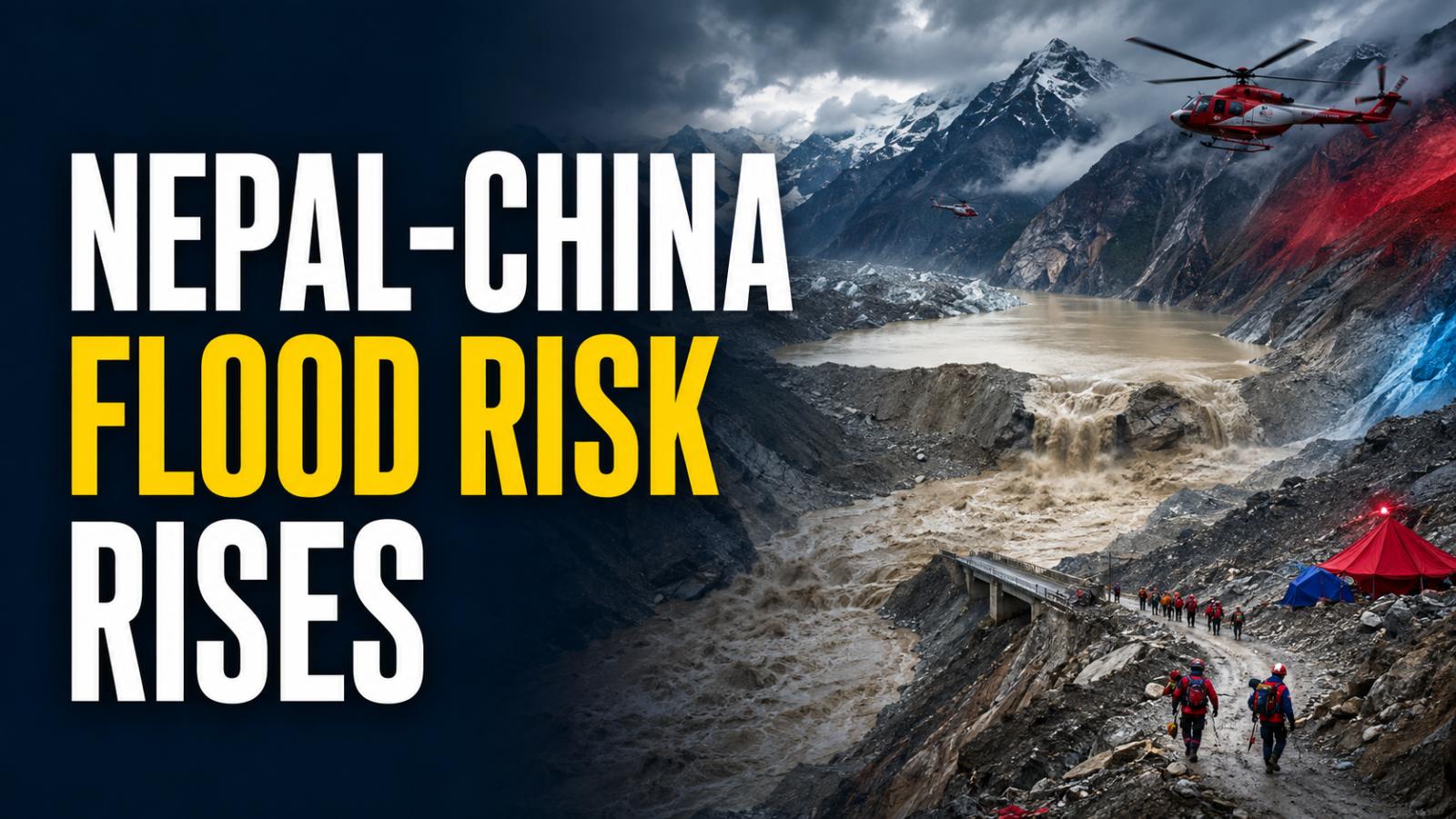
Nepal and China have issued urgent warnings about renewed flooding in the Himalayan border region as a lake formed by rock, ice and other debris began overflowing.
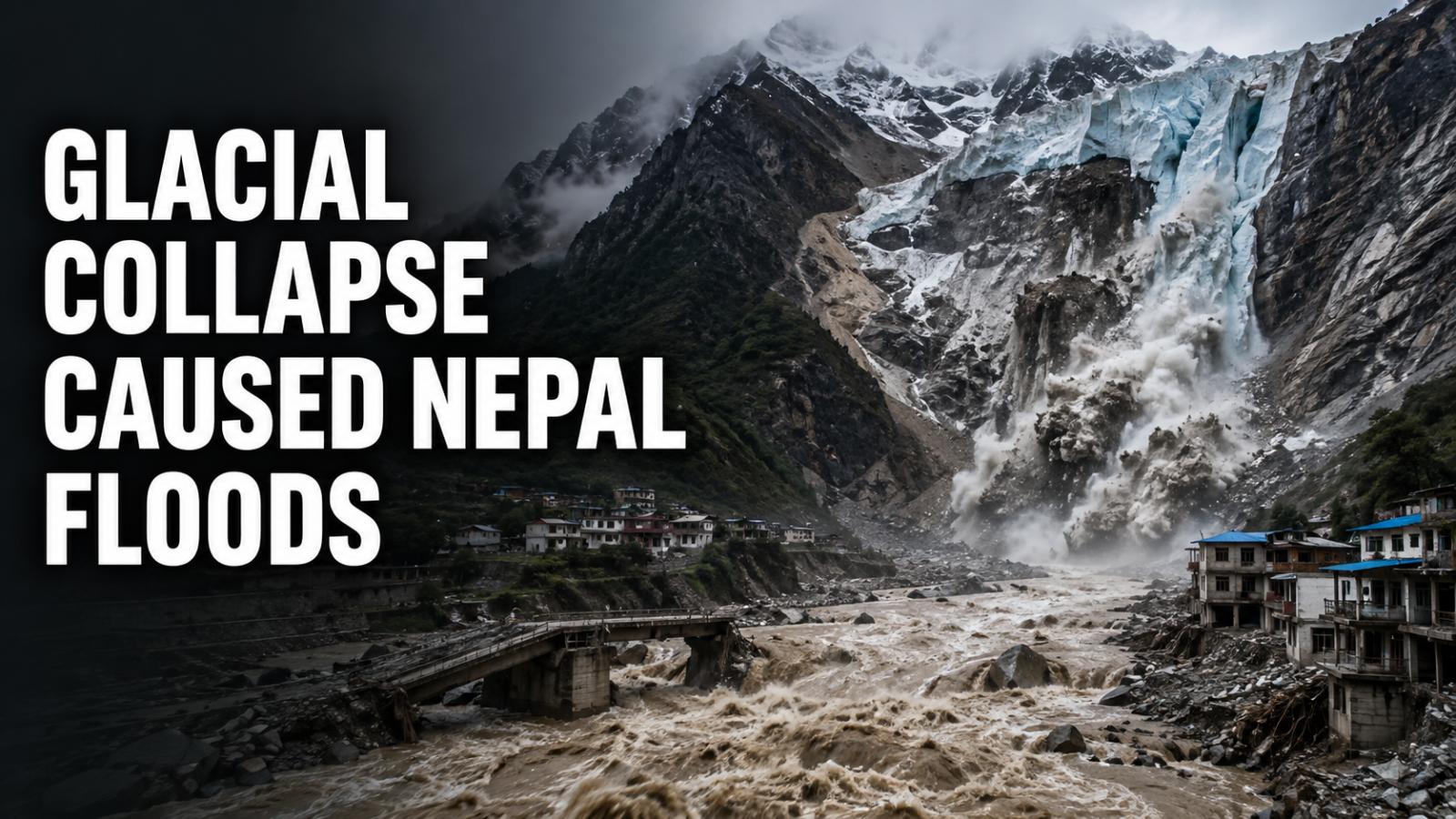
The development comes two days after a glacier collapse sent a massive torrent of water, mud and debris through mountain river systems in Nepal and China’s Tibet region. Villages, roads, bridges, hydropower facilities and border infrastructure were damaged or destroyed.
By Friday, the confirmed death toll in Nepal had risen to 469, while nearly 1,000 people remained missing across Nepal and Tibet, according to updated reports. The missing include hundreds of foreign tourists, pilgrims and trekkers.
The scale of the damage has complicated efforts to reach remote settlements and locate survivors. Several roads remain blocked, while unstable slopes, damaged bridges and debris-filled rivers continue to create dangerous conditions for rescue personnel.
Authorities have warned that communities affected by the initial disaster now face the possibility of another surge of water from lakes created when landslides and glacial debris blocked mountain rivers.
Lake overflow forces residents to higher ground
Nepal’s disaster-management authority warned residents living along lower riverbanks, travellers and emergency teams to stay away from dangerous areas and move to safer locations.
The warning followed aerial assessments showing water building behind a natural barrier of rocks, mud and debris. With no stable outlet initially visible, officials feared that pressure could cause the obstruction to fail suddenly.
Residents in Nepal’s Rasuwa district were seen moving uphill as water levels rose. Rescue activities were temporarily suspended while authorities assessed the possibility of a major downstream surge.
China also withdrew rescue workers and vehicles from threatened locations and placed them on standby in safer areas. Chinese authorities mobilised an engineering team to conduct aerial surveys and create three-dimensional models of the unstable lake.
The barrier lake reportedly held more than 2.5 million cubic metres of water. Officials had earlier estimated that an additional three million cubic metres could flow into it over several days, significantly increasing the strain on the debris dam.
An uncontrolled breach could send water, rocks and mud into communities downstream with little warning. Even a gradual overflow can erode a natural barrier and increase the possibility of sudden failure.
Rescue operations face new safety risks
Search teams have been using helicopters, heavy equipment and trained dogs to locate missing people across debris-covered valleys and damaged settlements.
Some rescue personnel began withdrawing from riverbeds on Thursday after Nepal’s disaster authority issued its warning. One team of 13 led by rescuer Pawan Koirala moved away from the danger zone and towards higher ground.
Emergency crews face the difficult task of continuing the search while avoiding exposure to secondary floods, landslides and avalanches. Authorities may repeatedly pause operations when conditions become unsafe.
The disaster has damaged a major route connecting Kathmandu with Lhasa in Tibet. The affected corridor is used by local communities, freight vehicles, pilgrims and international tourists.
The Gyirong border crossing on the Chinese side was among the worst-hit locations. Roads leading to the area were obstructed by debris, slowing the arrival of rescuers and engineering teams.
Officials are also monitoring artificial lakes and blocked river sections elsewhere in the affected region. Conditions can change rapidly when debris shifts or additional rainfall increases the volume and speed of river flows.
Rainfall forecast may worsen instability
Rain expected across the region could add more water to unstable lakes and increase the risk of landslides, according to Chinese authorities.
China’s Ministry of Water Resources warned that inflows could peak around September 1. Hydrology officials said the volume of water and the danger of a breach were continuing to increase.
Rainfall can weaken debris barriers, saturate already unstable slopes and carry additional rock and sediment into rivers. These conditions could create new blockages or cause existing natural dams to collapse.
Authorities have urged downstream residents to follow official evacuation instructions and avoid rivers, damaged roads and landslide-prone slopes. Rescue workers and volunteers have also been advised not to enter restricted areas without clearance.
The latest danger demonstrates how one Himalayan glacier collapse can trigger several connected emergencies. The initial avalanche and flood may be followed by barrier-lake failures, landslides and repeated river surges, making continuous monitoring and rapid warnings critical to protecting communities.