
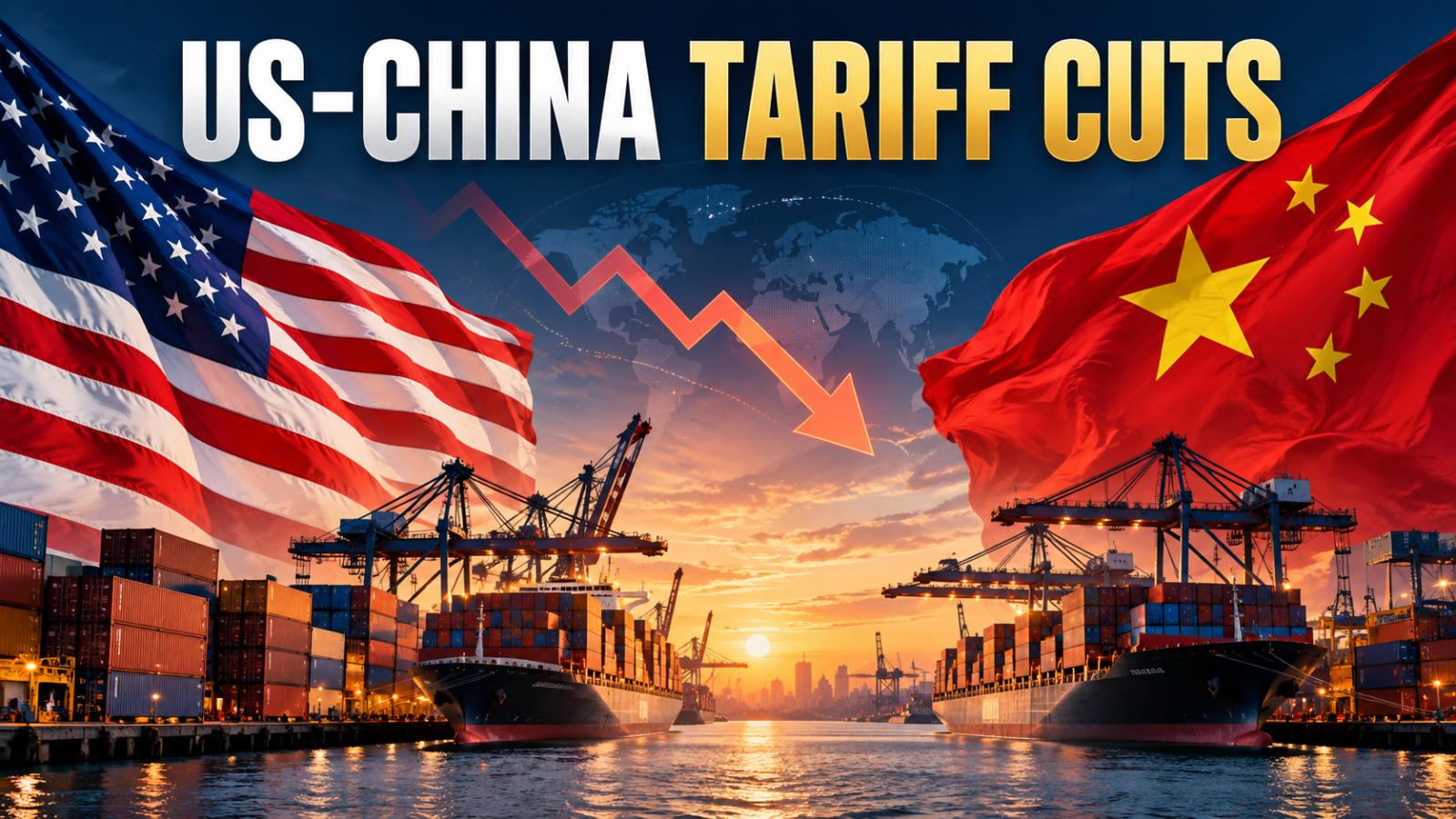
The United States and China have released lists of goods worth about $30 billion from each country that are set to receive lower tariffs. Announced on Monday, September 28, the reciprocal arrangement follows talks between President Donald Trump and Chinese President Xi Jinping in Washington and offers a targeted opening for trade between the two economies. The lower rates still require each country to complete its domestic procedures before they take effect.
China’s list covers 1,619 categories of US products, including agricultural goods, personal care products, timber and medical equipment. Coal imported from the US is also included in the tariff reduction framework. The US list covers 77 categories of Chinese goods, among them fireworks, tableware, glass and wooden Christmas ornaments, and soccer balls. The selections focus on goods both sides consider less sensitive, leaving major strategic sectors outside this agreement.
What the tariff cuts could change
China’s commerce ministry said tariffs on about 90% of the products covered by the arrangement would fall to most-favored-nation rates. That would remove the additional country-specific tariffs on those goods, although ordinary import duties may still apply. US Trade Representative Jamieson Greer said the lists identify products that could benefit from more favorable tariff treatment. Neither announcement means every listed product is already entering at the lower rate.
For US exporters, the arrangement could improve access to China’s market for farm products, medical equipment and other listed goods. American importers of covered Chinese household and seasonal products could also face lower costs once the changes are implemented. Whether shoppers see lower prices will depend on when the cuts begin and how businesses pass along any savings.
The deal’s scope is limited against the size of overall US-China trade. Chips, electric vehicles and batteries are not included, and the two countries continue to face disputes over strategic industries. Both sides have indicated that the product lists could be adjusted later. For now, the immediate milestone is an agreed set of goods; businesses will be watching for the official implementation dates and final tariff rates.