
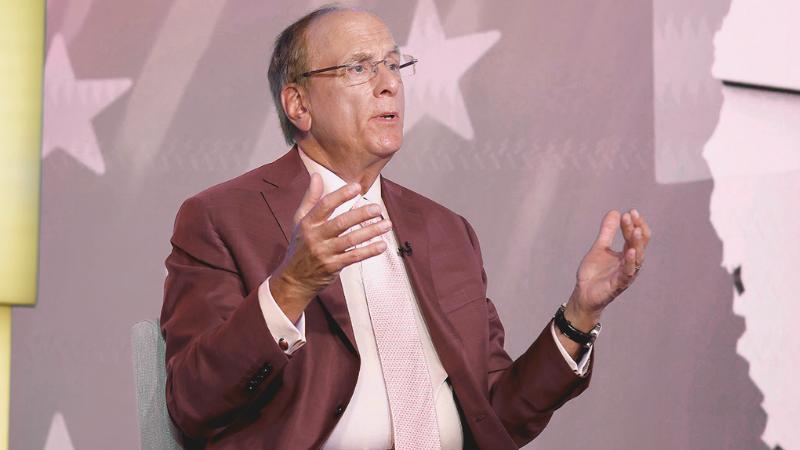
The global economy faces significant risks if oil prices reach $150 per barrel, warns Larry Fink, CEO of BlackRock. In recent days, Brent crude surpassed $110 per barrel, causing a substantial market reaction, and a new report suggests that prices could climb even further, especially if the ongoing U.S.-Iran conflict escalates.
Fink emphasized that if oil prices continue to rise, the world would face a major economic shock rather than a gradual adjustment. The impact would be felt across various sectors. Fuel prices would surge, driving up household costs and pushing up the prices of goods and services, particularly in sectors like transportation and manufacturing. This would lead to inflationary pressures, with central banks likely forced to raise interest rates to combat the surge in prices.
Countries dependent on oil imports, like India, would be hit hardest, with rising energy costs impacting everything from food prices to electricity tariffs. This, according to Fink, would act as a "regressive tax," disproportionately affecting lower-income households. The consequences could extend beyond inflation. Higher oil prices have historically contributed to economic slowdowns, with sectors like airlines, small businesses, and auto manufacturers facing sharp declines in demand. Stock markets would likely experience volatility, and global growth could be stunted, further exacerbating the financial strain.
For countries like India, which imports a significant portion of its oil, a $150 price tag would deepen the current account deficit, put pressure on the currency, and increase fiscal deficits. Governments might respond by adjusting fuel taxes or increasing subsidies to protect consumers, creating a delicate balance between supporting the economy and managing the budget. Despite the risks, Fink noted that higher oil prices could accelerate the shift toward alternative energy like solar, wind, and electric vehicles.