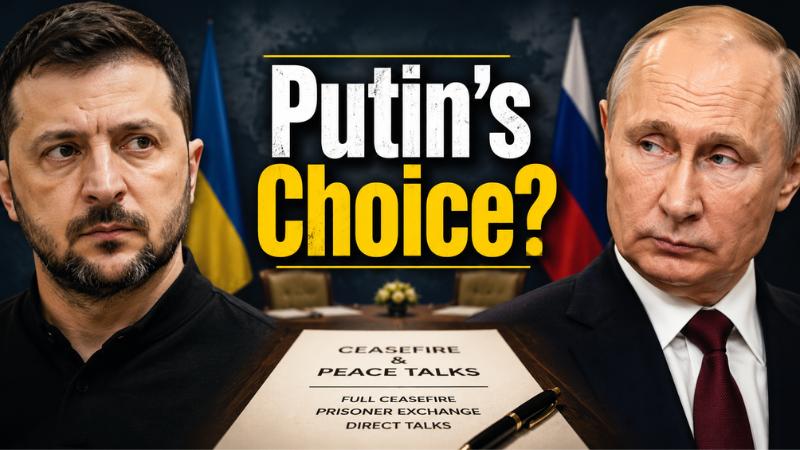

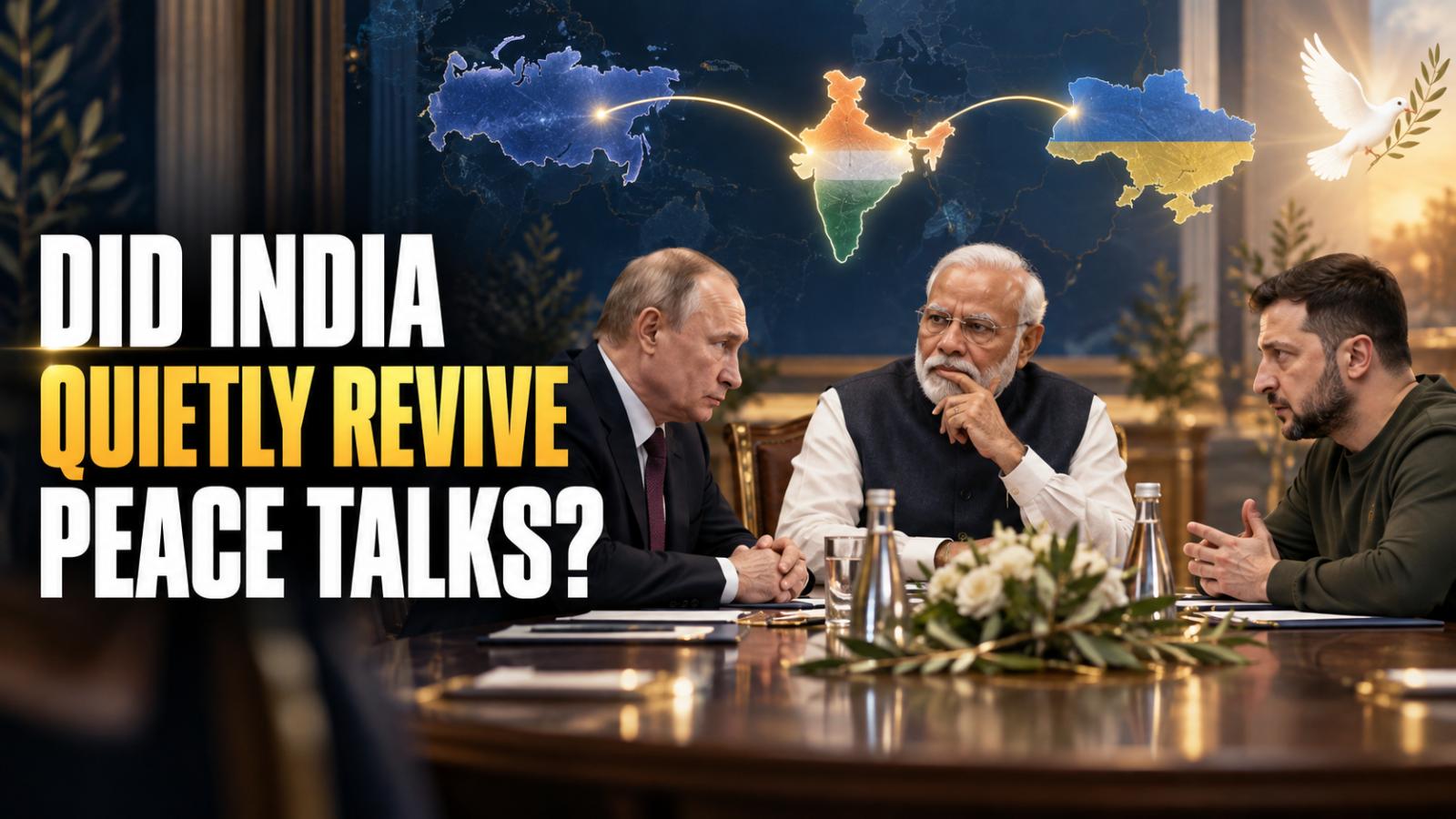
A series of diplomatic engagements involving India, the US, Russia and Ukraine prompted mediation speculation in New Delhi on Monday, September 7, 2026. India has confirmed its continuing peace outreach, but no government has officially said that New Delhi brokered the latest Russia-Ukraine talks.
India’s Diplomatic Timeline Raises Questions About a Quiet Peace RoleDid India quietly help create conditions for renewed Russia-Ukraine peace talks? New Delhi has not claimed any formal mediation role, but a sequence of high-level engagements since August has prompted speculation that Indian officials may have exchanged ideas among the principal parties.
Prime Minister Narendra Modi received a telephone call from US Vice-President J.D. Vance on August 8. The official statement said they reviewed the India-US Comprehensive Global Strategic Partnership and discussed regional and global developments of mutual interest. It did not specifically mention Russia or Ukraine. Therefore, any claim that the war was discussed during that call remains an inference rather than a confirmed fact.
External Affairs Minister S. Jaishankar subsequently travelled to Moscow for intergovernmental meetings and met Russian President Vladimir Putin. Modi later met Putin on the sidelines of the Shanghai Cooperation Organisation summit in Bishkek and publicly urged movement from an “endless war” towards an “end of war.”
Putin responded positively to India’s call for peace, but neither government announced a specific Indian proposal or negotiating framework following the meeting.
Diplomatic Outreach Extends From Moscow to Kyiv and WarsawIndia’s engagement was not limited to Russia. Jaishankar later travelled to Ukraine and then Poland, where he said New Delhi remained in continuous contact with Moscow and Kyiv.
Speaking in Warsaw, the External Affairs Minister said India was exploring ideas and suggestions that could help mitigate and ideally end the conflict. He reiterated that wars produce no winners and argued that dialogue, diplomacy and negotiation must remain central to any settlement.
These remarks confirm that India is actively discussing possible pathways to peace with both sides. They do not, however, establish that New Delhi directly arranged meetings or transmitted a formal proposal between Russia, Ukraine and the United States.
India’s relationships give it an unusual diplomatic position. It maintains long-standing strategic ties with Russia while also developing closer relations with the US and Europe. New Delhi has continued to engage Ukraine and has repeatedly offered to provide any assistance considered useful by the parties.
US Envoys Renew Talks With Russia and UkraineShortly after India’s latest diplomatic outreach, US envoys Steve Witkoff and Jared Kushner held talks with Putin in Moscow before travelling to Kyiv for discussions with Ukrainian leaders.
The envoys were attempting to revive negotiations after earlier peace efforts stalled. Their meetings were described as constructive, but no immediate ceasefire or major breakthrough was announced. The Kremlin subsequently said it did not rule out renewed trilateral talks involving Russia, Ukraine and the United States, although the timing and venue remained uncertain.
The timing has led observers to examine whether India’s conversations helped prepare the ground for Washington’s initiative. It is plausible that New Delhi shared assessments or proposals privately, but chronological proximity alone does not prove coordination. US, Russian and Ukrainian officials have not publicly credited India with brokering the latest round of engagement.
Evidence Supports an Active Role but Not Confirmed MediationThe available evidence shows that India is involved in sustained diplomacy and is willing to help end the war. Modi’s message to Putin, Jaishankar’s meetings in Moscow and Kyiv, and India’s exchanges with Washington demonstrate active engagement rather than neutrality or disengagement.
What remains unconfirmed is whether India served as a formal intermediary, carried messages between the parties or directly facilitated the movements of American envoys. No published official statement establishes such a connection.
The most accurate assessment is that India may have contributed to the broader diplomatic environment surrounding the renewed peace push, but claims that it brokered the talks remain speculative.
New Delhi’s preference for private engagement means more details could emerge later. Until then, India’s role should be described as active peace diplomacy and possible behind-the-scenes facilitation—not confirmed mediation.