
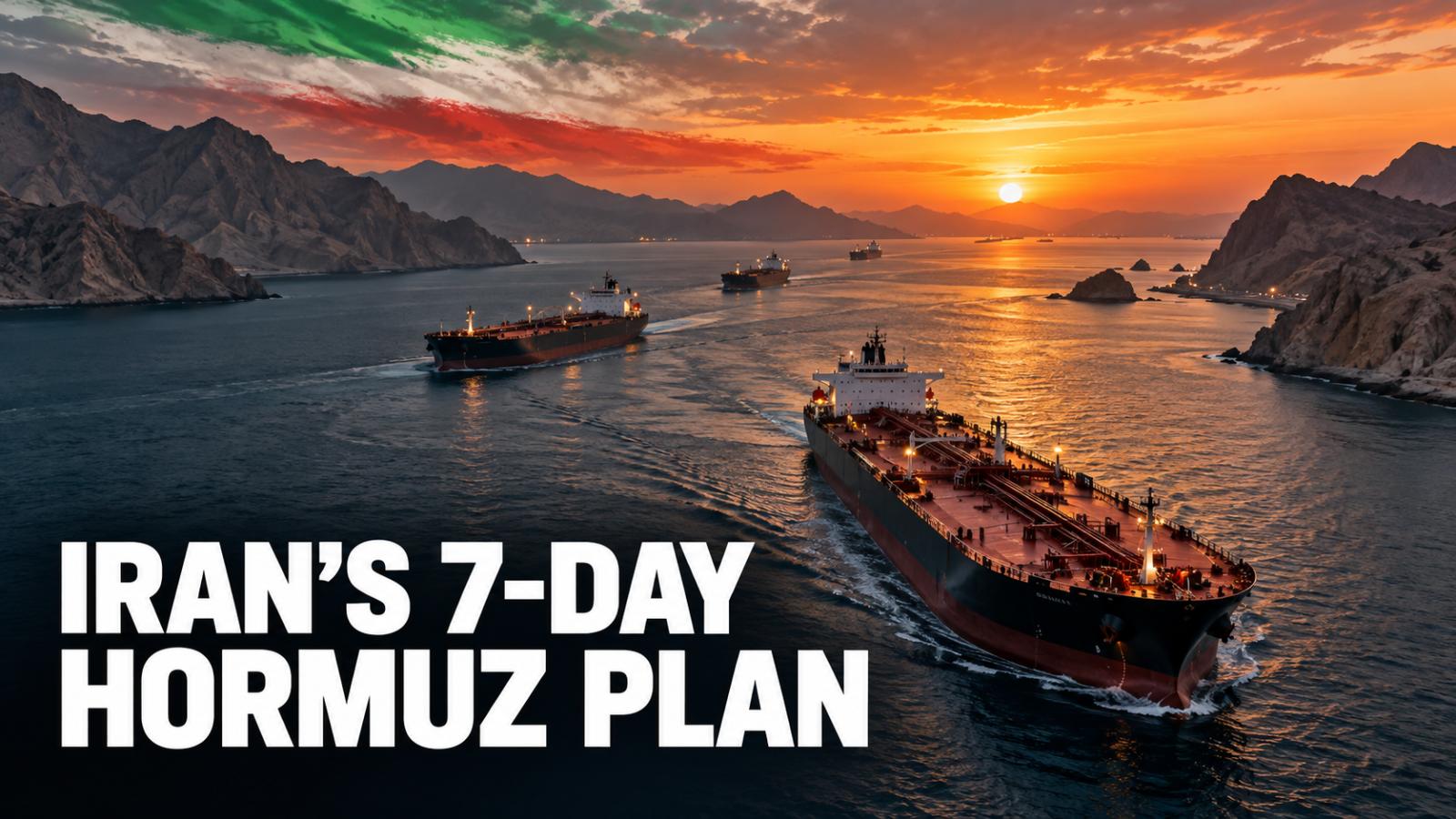
Iran has proposed a seven-day diplomatic plan that could lead to the reopening of the Strait of Hormuz and renewed talks with the United States, according to Foreign Minister Abbas Araghchi. Speaking during the United Nations General Assembly in New York, Araghchi said Tehran had passed the proposal to Washington through intermediaries.
The plan is conditional. Araghchi said the strait could reopen at the end of the seventh day if Iran’s requirements are met, with broader negotiations on its nuclear programme to follow. He described the proposal as similar to a framework discussed by the two countries in June. Iran has not publicly released the full terms, and no agreement with the United States has been announced.
Iranian officials have linked the reopening of the waterway to a reduction in US military pressure and the lifting of a blockade on Iranian ports. A senior Iranian official told Reuters earlier this week that Tehran could reopen the strait within seven days if Washington took those steps. The official said Iran had delivered a proposal through mediators on September 16.
Araghchi said Tehran had set out what it considers reasonable conditions for diplomacy. In a meeting with German Foreign Minister Johann Wadephul, he argued that lasting regional security would require a change in US actions toward Iran. He also said Iran remained willing to discuss its nuclear programme, while accusing the US and Israel of undermining earlier negotiations through military action. Those are Iran’s stated positions; the two sides have yet to establish a shared account of what happened in the June discussions.
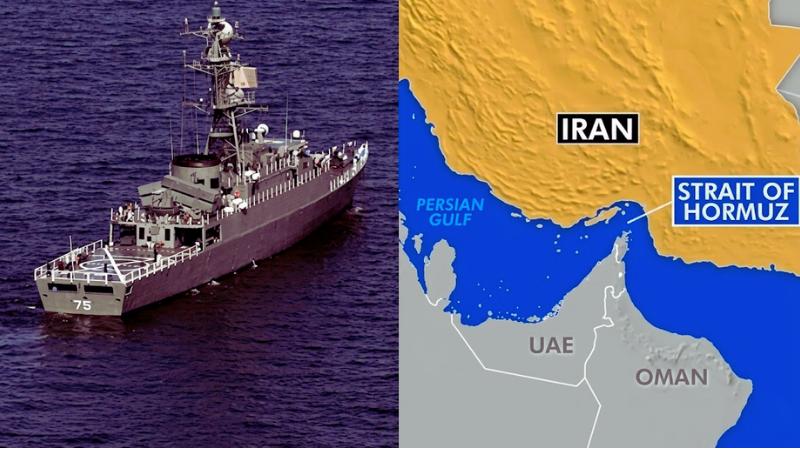
The Strait of Hormuz is central to the proposal because disruption there affects shipping and energy markets far beyond the Gulf. Reopening it would be a visible step toward easing the crisis, but the timing depends on whether the US and Iran can agree on the conditions that come first.
Iranian President Masoud Pezeshkian has also said Tehran is ready to move forward with diplomacy. In a Fox News interview cited in the original report, he blamed the US for the failure to implement what he described as a previously agreed framework. His comments underline the gap between Iran’s account of the talks and any deal both governments would formally accept.
The Iranian delegation’s presence in New York gives intermediaries an opportunity to discuss the proposal during the General Assembly. For now, the seven-day period is a proposed sequence, rather than a confirmed date for reopening Hormuz. The immediate question is whether Washington responds to Tehran’s conditions and whether both sides can agree on steps to halt the fighting before nuclear negotiations resume.