#sjaishankar
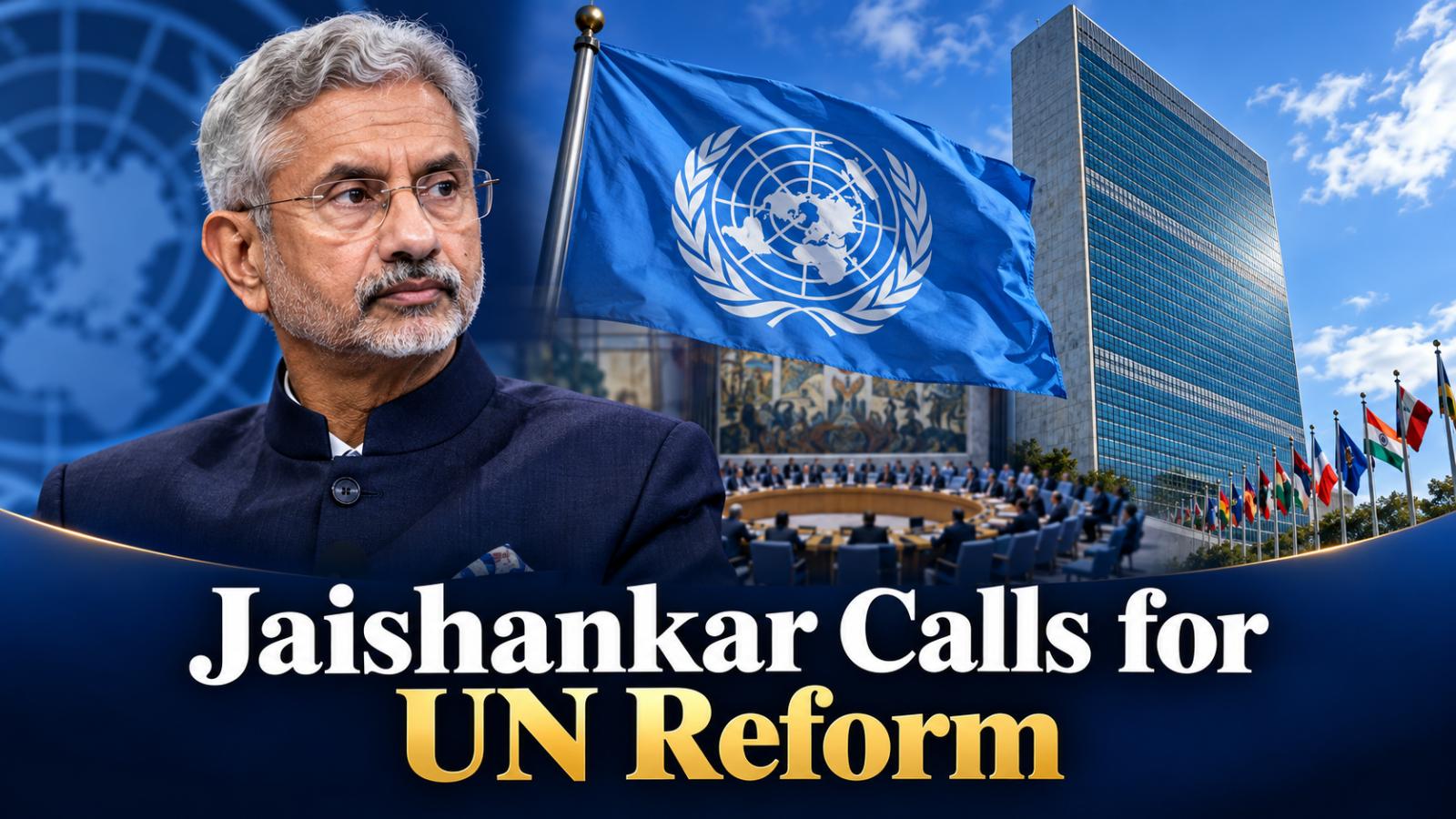
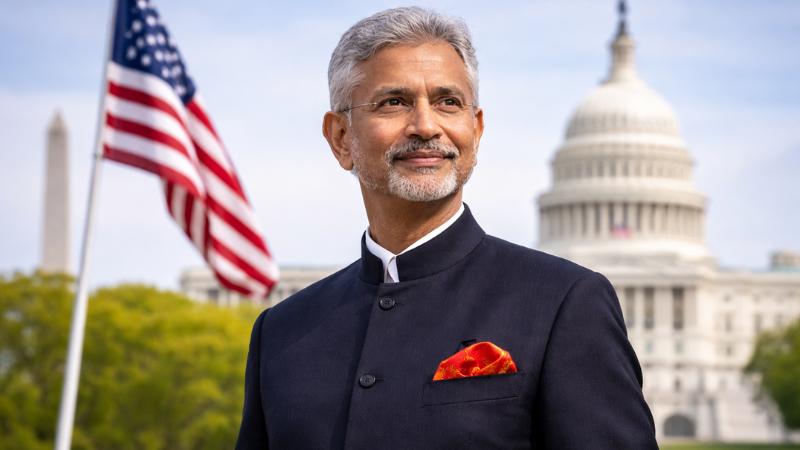
Jaishankar calls UN largely irrelevant, urges Security Council reform
External Affairs Minister S. Jaishankar has called for reforms to the United Nations, saying the organisation has become “largely irrelevant” to decision-making on major global challenges because of persistent divisions within its Security Council. Speaking at the fifth Kautilya Economic Conclave in New Delhi on Monday, October 5, he argued that the world body’s decision-making structure no longer adequately represe
Jaishankar calls UN largely irrelevant, urges Security Council reform
External Affairs Minister S. Jaishankar has called for reforms to the United Nations, saying the organisation has become “largely irrelevant” to decision-making on major global challenges because of persistent divisions within its Security Council. Speaking at the fifth Kautilya Economic Conclave in New Delhi on Monday, October 5, he argued that the world body’s decision-making structure no longer adequately represe
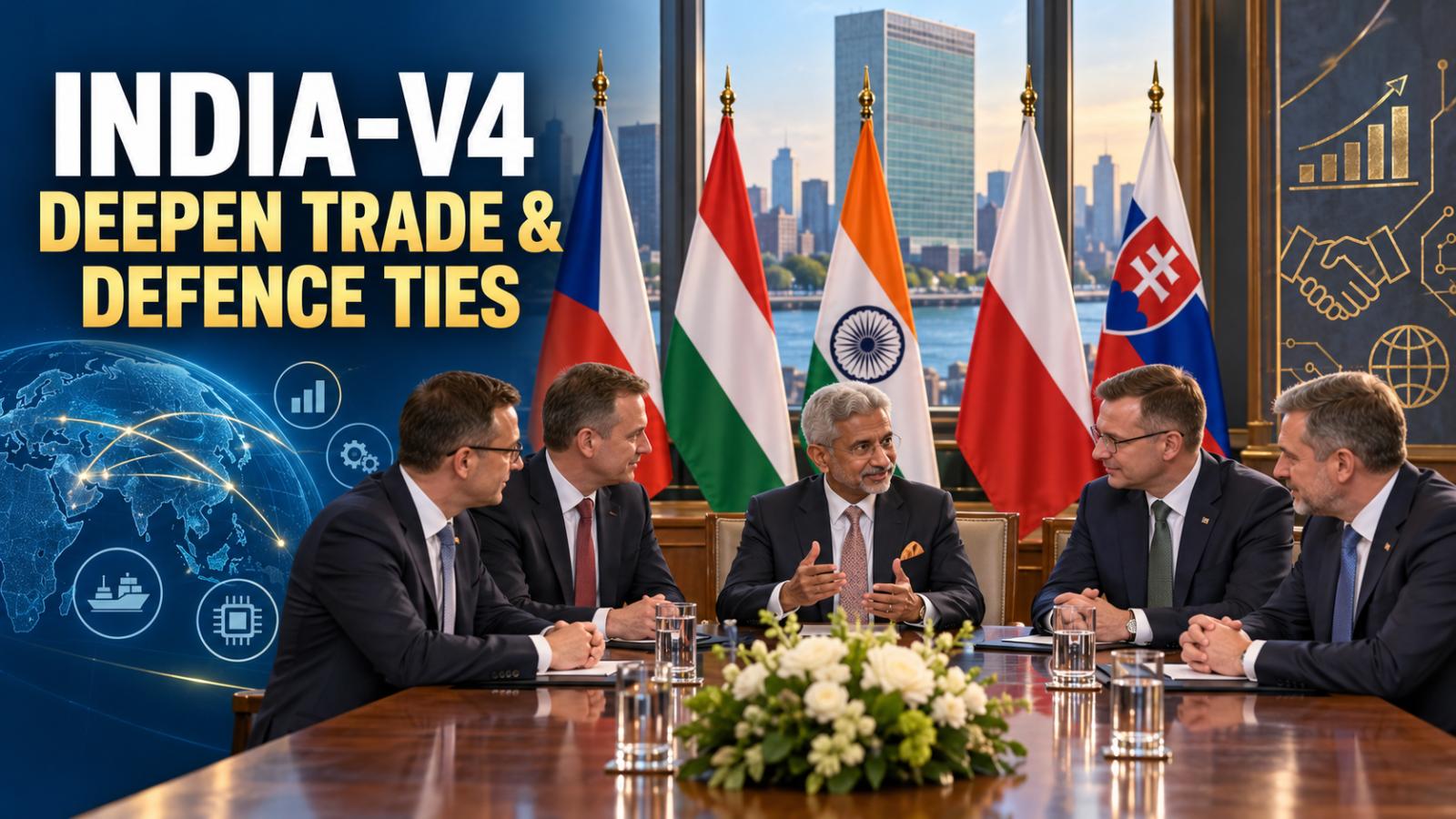
India and V4 Agree to Deepen Trade, Defence Ties
India and the four-member Visegrad Group agreed to strengthen political, economic, defence and technology cooperation during their first foreign ministers’ meeting held on the sidelines of the 81st session of the United Nations General Assembly in New York. External Affairs Minister S Jaishankar described the inaugural V4+India meeting as a historic occasion and said the discussions had been highly productive. The count
India and V4 Agree to Deepen Trade, Defence Ties
India and the four-member Visegrad Group agreed to strengthen political, economic, defence and technology cooperation during their first foreign ministers’ meeting held on the sidelines of the 81st session of the United Nations General Assembly in New York. External Affairs Minister S Jaishankar described the inaugural V4+India meeting as a historic occasion and said the discussions had been highly productive. The count
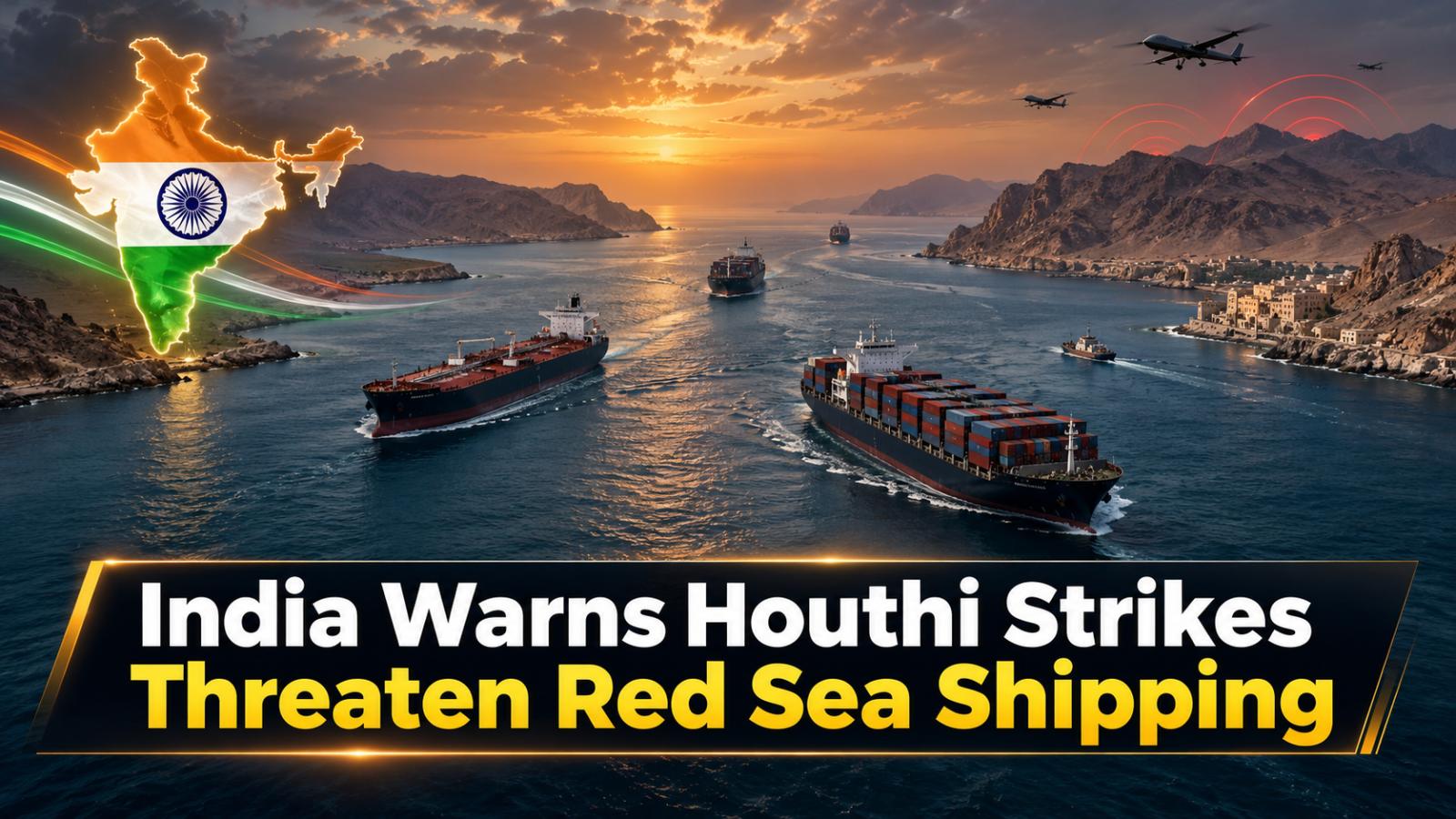
India Warns Houthi Strikes Threaten Bab-el-Mandeb Shipping
India condemned attacks on Saudi territory and warned that escalating violence threatens Bab-el-Mandeb navigation and Red Sea stability. India Warns Houthi Strikes Threaten Bab-el-Mandeb Shipping India has expressed serious concern over the escalating conflict involving Yemen’s Houthi movement and Saudi Arabia, warning that attacks on civilian infrastructure and economic assets could destabilise the region and endanger na
India Warns Houthi Strikes Threaten Bab-el-Mandeb Shipping
India condemned attacks on Saudi territory and warned that escalating violence threatens Bab-el-Mandeb navigation and Red Sea stability. India Warns Houthi Strikes Threaten Bab-el-Mandeb Shipping India has expressed serious concern over the escalating conflict involving Yemen’s Houthi movement and Saudi Arabia, warning that attacks on civilian infrastructure and economic assets could destabilise the region and endanger na
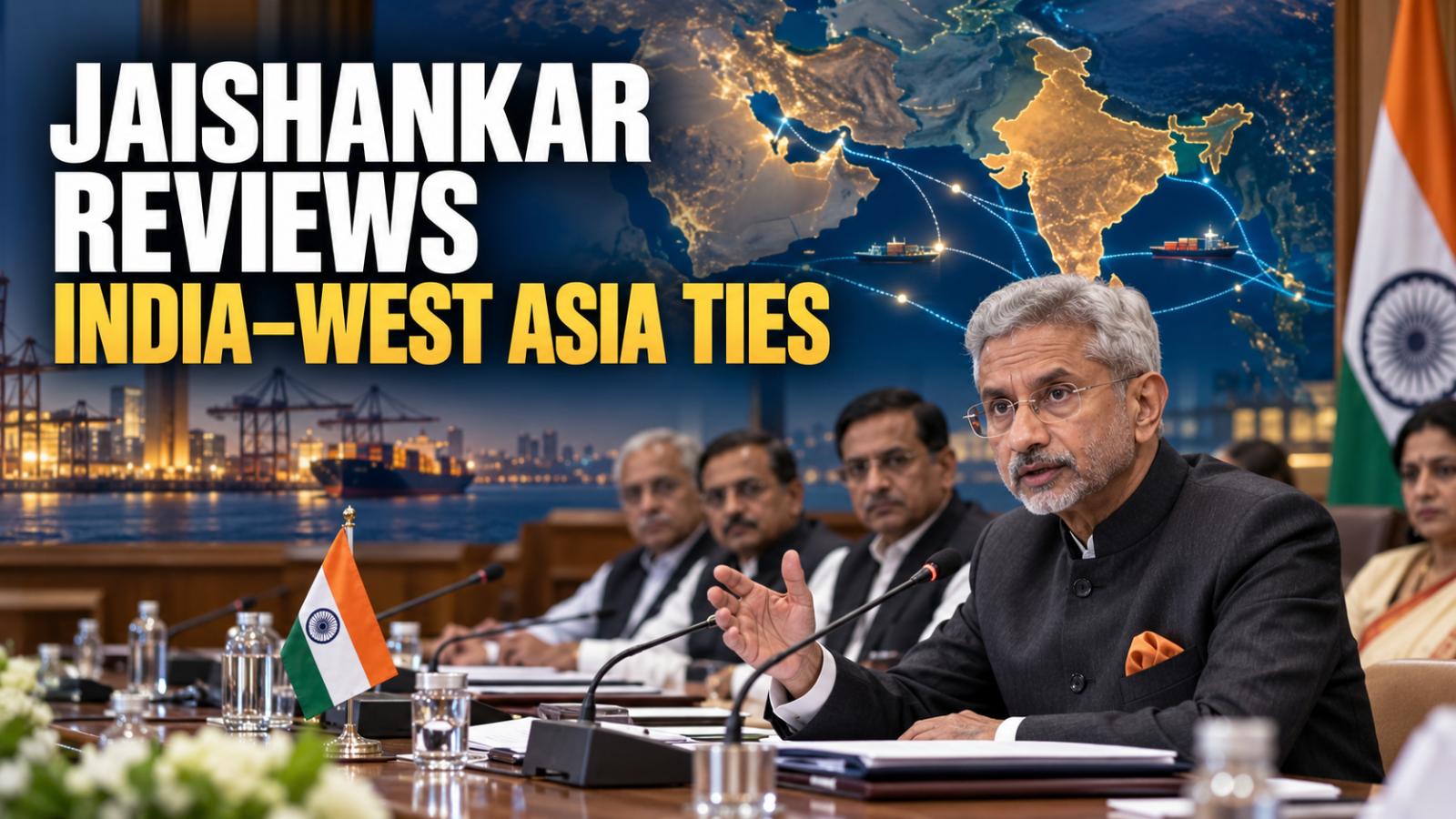
Jaishankar Reviews India-West Asia Ties Amid Conflict
External Affairs Minister S. Jaishankar chaired a Consultative Committee meeting on India’s relations with West Asia in New Delhi on Monday, September 7, 2026. The discussions covered Gulf partnerships, the welfare of 10 million Indians, energy security and regional concerns arising from the ongoing conflict. Jaishankar Highlights India’s Strategic Partnerships Across West Asia External Affairs Minister S. Jaishankar chaired a meeting of Parliament’s Consultative Committee on India’s relations with West Asia, outlining New Delhi’s economic, diplomatic and security priorities during a period of continuing regional instability. The minister highlighted India’s close and long-standing relations with countries in the Gulf and the wider West Asia and North Africa region. These partnerships cover trade, investment, energy, maritime cooperation and extensive people-to-people connections. Jaishankar told members that India continues to advance its trade and connectivity interests despite the conflict affecting the region. He also emphasised that New Delhi has strengthened its political engagement with several West Asian countries while maintaining communication with competing regional powers. In a social media post following the meeting, the minister said the discussions covered India’s efforts to protect its citizens and secure access to essential energy and fertiliser supplies. Diaspora Welfare Remains a Priority for India The safety and welfare of approximately 10 million Indians living and working in the Gulf formed a major part of the committee’s deliberations. The large Indian community in West Asia has an important economic and social role. Its members contribute to Gulf economies while supporting families in India through remittances. Any military escalation, interruption to air travel or disruption of essential services could therefore directly affect millions of people. Jaishankar underlined the government’s responsibility to monitor regional developments and maintain emergency support systems through Indian missions. Previous crises have required India to coordinate evacuations, establish helplines and work with local authorities to assist citizens. With instability continuing across parts of the region, the government is expected to remain focused on contingency planning, transport access and communication with Indian communities. Protecting workers, students, professionals and their families is likely to remain central to India’s West Asia policy. Energy Security and Trade Routes Face Regional Pressure Several MPs reportedly raised questions about the impact of the conflict on India’s energy requirements. Jaishankar informed the meeting that New Delhi was diversifying its energy supply chain while continuing to assess developments in major oil- and gas-producing countries. West Asia remains critical to India’s energy security as well as fertiliser supplies, shipping and commercial connectivity. Disruptions to production facilities or maritime routes could increase transportation costs and affect global commodity prices. The committee also discussed US sanctions affecting purchases of energy and other products from Iran, according to sources cited by PTI. Jaishankar reportedly noted that India maintains working relations with both Washington and Tehran, giving New Delhi an important but complex diplomatic position. India must balance its energy needs and regional partnerships with international restrictions and financial risks. Strengthening alternative suppliers and protecting maritime trade routes are therefore essential to reducing the impact of future disruptions. Makkah Defence Pact Draws Questions From MPs Some committee members also expressed concern about the Makkah Joint Defence Agreement signed by Pakistan, Saudi Arabia and Turkiye on August 7, 2026. The agreement states that an armed attack against one participating country will be treated as an attack against all three. It was announced amid heightened security concerns and establishes a framework for closer political and military coordination. The pact is significant for India because it includes Pakistan alongside two countries with which New Delhi maintains important diplomatic and economic ties. However, the detailed defence obligations and circumstances in which the collective-security clause could be activated have not been fully explained publicly. MPs reportedly asked the government to clarify India’s assessment of the agreement and its possible security implications. No detailed official account of Jaishankar’s response was released. The meeting highlighted the challenge facing Indian diplomacy: protecting a large diaspora, maintaining energy supplies and expanding trade while navigating conflicts, sanctions and emerging security alliances across West Asia.
Jaishankar Reviews India-West Asia Ties Amid Conflict
External Affairs Minister S. Jaishankar chaired a Consultative Committee meeting on India’s relations with West Asia in New Delhi on Monday, September 7, 2026. The discussions covered Gulf partnerships, the welfare of 10 million Indians, energy security and regional concerns arising from the ongoing conflict. Jaishankar Highlights India’s Strategic Partnerships Across West Asia External Affairs Minister S. Jaishankar chaired a meeting of Parliament’s Consultative Committee on India’s relations with West Asia, outlining New Delhi’s economic, diplomatic and security priorities during a period of continuing regional instability. The minister highlighted India’s close and long-standing relations with countries in the Gulf and the wider West Asia and North Africa region. These partnerships cover trade, investment, energy, maritime cooperation and extensive people-to-people connections. Jaishankar told members that India continues to advance its trade and connectivity interests despite the conflict affecting the region. He also emphasised that New Delhi has strengthened its political engagement with several West Asian countries while maintaining communication with competing regional powers. In a social media post following the meeting, the minister said the discussions covered India’s efforts to protect its citizens and secure access to essential energy and fertiliser supplies. Diaspora Welfare Remains a Priority for India The safety and welfare of approximately 10 million Indians living and working in the Gulf formed a major part of the committee’s deliberations. The large Indian community in West Asia has an important economic and social role. Its members contribute to Gulf economies while supporting families in India through remittances. Any military escalation, interruption to air travel or disruption of essential services could therefore directly affect millions of people. Jaishankar underlined the government’s responsibility to monitor regional developments and maintain emergency support systems through Indian missions. Previous crises have required India to coordinate evacuations, establish helplines and work with local authorities to assist citizens. With instability continuing across parts of the region, the government is expected to remain focused on contingency planning, transport access and communication with Indian communities. Protecting workers, students, professionals and their families is likely to remain central to India’s West Asia policy. Energy Security and Trade Routes Face Regional Pressure Several MPs reportedly raised questions about the impact of the conflict on India’s energy requirements. Jaishankar informed the meeting that New Delhi was diversifying its energy supply chain while continuing to assess developments in major oil- and gas-producing countries. West Asia remains critical to India’s energy security as well as fertiliser supplies, shipping and commercial connectivity. Disruptions to production facilities or maritime routes could increase transportation costs and affect global commodity prices. The committee also discussed US sanctions affecting purchases of energy and other products from Iran, according to sources cited by PTI. Jaishankar reportedly noted that India maintains working relations with both Washington and Tehran, giving New Delhi an important but complex diplomatic position. India must balance its energy needs and regional partnerships with international restrictions and financial risks. Strengthening alternative suppliers and protecting maritime trade routes are therefore essential to reducing the impact of future disruptions. Makkah Defence Pact Draws Questions From MPs Some committee members also expressed concern about the Makkah Joint Defence Agreement signed by Pakistan, Saudi Arabia and Turkiye on August 7, 2026. The agreement states that an armed attack against one participating country will be treated as an attack against all three. It was announced amid heightened security concerns and establishes a framework for closer political and military coordination. The pact is significant for India because it includes Pakistan alongside two countries with which New Delhi maintains important diplomatic and economic ties. However, the detailed defence obligations and circumstances in which the collective-security clause could be activated have not been fully explained publicly. MPs reportedly asked the government to clarify India’s assessment of the agreement and its possible security implications. No detailed official account of Jaishankar’s response was released. The meeting highlighted the challenge facing Indian diplomacy: protecting a large diaspora, maintaining energy supplies and expanding trade while navigating conflicts, sanctions and emerging security alliances across West Asia.
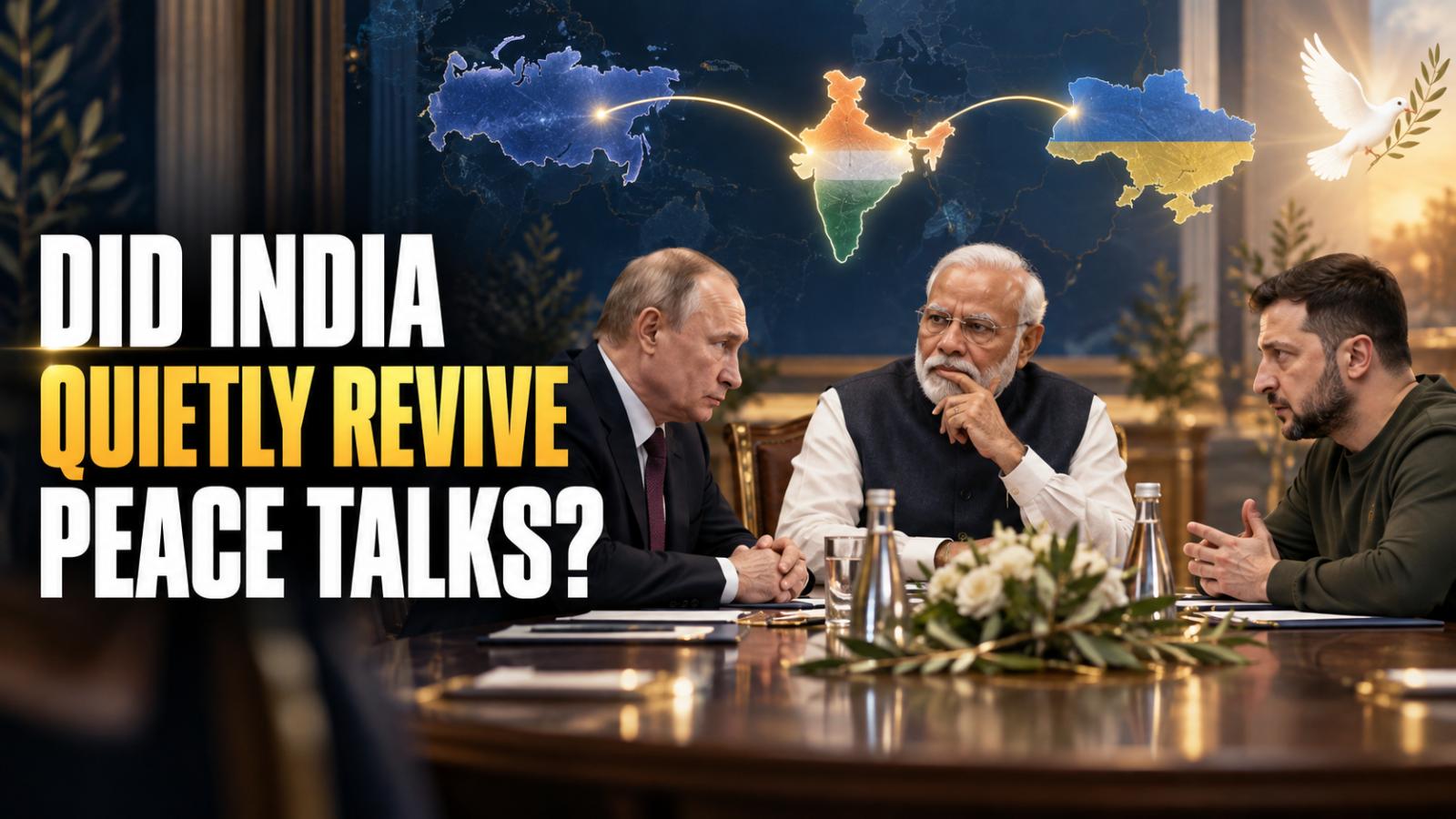
Did India Quietly Help Revive Russia-Ukraine Peace Talks?
A series of diplomatic engagements involving India, the US, Russia and Ukraine prompted mediation speculation in New Delhi on Monday, September 7, 2026. India has confirmed its continuing peace outreach, but no government has officially said that New Delhi brokered the latest Russia-Ukraine talks. India’s Diplomatic Timeline Raises Questions About a Quiet Peace Role Did India quietly help create conditions for renewed
Did India Quietly Help Revive Russia-Ukraine Peace Talks?
A series of diplomatic engagements involving India, the US, Russia and Ukraine prompted mediation speculation in New Delhi on Monday, September 7, 2026. India has confirmed its continuing peace outreach, but no government has officially said that New Delhi brokered the latest Russia-Ukraine talks. India’s Diplomatic Timeline Raises Questions About a Quiet Peace Role Did India quietly help create conditions for renewed
Jaishankar signals historic India-US trade pact to boost exports and jobs
India is on the brink of securing a major economic breakthrough as negotiations with the United States move into the final phase of what officials are calling a historic trade agreement. External Affairs Minister S. Jaishankar has indicated that the remaining details are being worked out and that the deal could be concluded very soon, raising expectations of stronger exports, new investments and deeper strategic cooperation for Indian industry. Speaking at the end of his recent visit to Washington, Jaishankar described the discussions as productive and forward-looking. He held talks with US Secretary of State Marco Rubio and participated in the inaugural Critical Minerals Ministerial, where supply chains, energy security and future technologies were central themes. According to the minister, the proposed trade pact marks the beginning of a new chapter in India-US relations and carries “vast possibilities” for both economies. For Indian businesses, the agreement is expected to deliver tangible benefits. One of the most significant provisions under consideration is a sharp reduction in US tariffs on select Indian goods. Duties that previously stood as high as 50 percent may be lowered to around 18 percent, a move that could make Indian products more competitive in the American market. Exporters in sectors such as manufacturing, engineering goods, electronics and clean energy components are likely to see improved access and better margins. Analysts believe such measures could create new jobs and provide momentum to India’s broader growth strategy. Another key focus of the talks has been cooperation on critical minerals including lithium, cobalt and rare earth elements. These resources are essential for electric vehicles, batteries, semiconductors and renewable energy technologies, areas where India is rapidly expanding its domestic capacity. With global demand for these materials rising sharply, securing reliable and diversified supply chains has become a strategic priority. The United States is seeking trusted partners to reduce dependence on a handful of dominant suppliers, and India’s geological potential and growing industrial base position it as an important collaborator. Jaishankar also expressed support for the Forum on Resource Geostrategic Engagement, or FORGE, an initiative aimed at building resilient mineral partnerships. Participation in such frameworks could help India attract investment, technology transfers and expertise while strengthening its role in global supply networks. Officials say this aligns with the government’s push for self-reliance in high-tech manufacturing and clean energy production. Beyond trade and minerals, the discussions covered defence cooperation, advanced technology, energy projects and broader diplomatic coordination. Observers note that the relationship between New Delhi and Washington has steadily expanded over the past decade, and the current negotiations reflect growing trust and shared strategic interests. The deal is being viewed not only as an economic arrangement but also as a step toward reinforcing India’s global standing. While final terms are yet to be formally announced, the optimism surrounding the talks suggests that both sides are keen to move quickly. If concluded as expected, the agreement could serve as a milestone for India’s trade policy, opening new markets and strengthening its position in global supply chains. For Indian viewers and businesses alike, the prospective pact represents an opportunity to accelerate growth, enhance competitiveness and deepen one of the country’s most important international partnerships.

Jaishankar signals historic India-US trade pact to boost exports and jobs
India is on the brink of securing a major economic breakthrough as negotiations with the United States move into the final phase of what officials are calling a historic trade agreement. External Affairs Minister S. Jaishankar has indicated that the remaining details are being worked out and that the deal could be concluded very soon, raising expectations of stronger exports, new investments and deeper strategic cooperation for Indian industry. Speaking at the end of his recent visit to Washington, Jaishankar described the discussions as productive and forward-looking. He held talks with US Secretary of State Marco Rubio and participated in the inaugural Critical Minerals Ministerial, where supply chains, energy security and future technologies were central themes. According to the minister, the proposed trade pact marks the beginning of a new chapter in India-US relations and carries “vast possibilities” for both economies. For Indian businesses, the agreement is expected to deliver tangible benefits. One of the most significant provisions under consideration is a sharp reduction in US tariffs on select Indian goods. Duties that previously stood as high as 50 percent may be lowered to around 18 percent, a move that could make Indian products more competitive in the American market. Exporters in sectors such as manufacturing, engineering goods, electronics and clean energy components are likely to see improved access and better margins. Analysts believe such measures could create new jobs and provide momentum to India’s broader growth strategy. Another key focus of the talks has been cooperation on critical minerals including lithium, cobalt and rare earth elements. These resources are essential for electric vehicles, batteries, semiconductors and renewable energy technologies, areas where India is rapidly expanding its domestic capacity. With global demand for these materials rising sharply, securing reliable and diversified supply chains has become a strategic priority. The United States is seeking trusted partners to reduce dependence on a handful of dominant suppliers, and India’s geological potential and growing industrial base position it as an important collaborator. Jaishankar also expressed support for the Forum on Resource Geostrategic Engagement, or FORGE, an initiative aimed at building resilient mineral partnerships. Participation in such frameworks could help India attract investment, technology transfers and expertise while strengthening its role in global supply networks. Officials say this aligns with the government’s push for self-reliance in high-tech manufacturing and clean energy production. Beyond trade and minerals, the discussions covered defence cooperation, advanced technology, energy projects and broader diplomatic coordination. Observers note that the relationship between New Delhi and Washington has steadily expanded over the past decade, and the current negotiations reflect growing trust and shared strategic interests. The deal is being viewed not only as an economic arrangement but also as a step toward reinforcing India’s global standing. While final terms are yet to be formally announced, the optimism surrounding the talks suggests that both sides are keen to move quickly. If concluded as expected, the agreement could serve as a milestone for India’s trade policy, opening new markets and strengthening its position in global supply chains. For Indian viewers and businesses alike, the prospective pact represents an opportunity to accelerate growth, enhance competitiveness and deepen one of the country’s most important international partnerships.