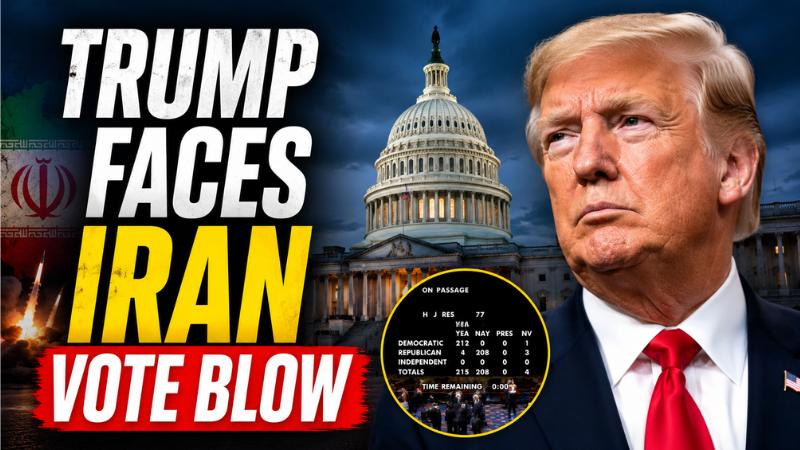

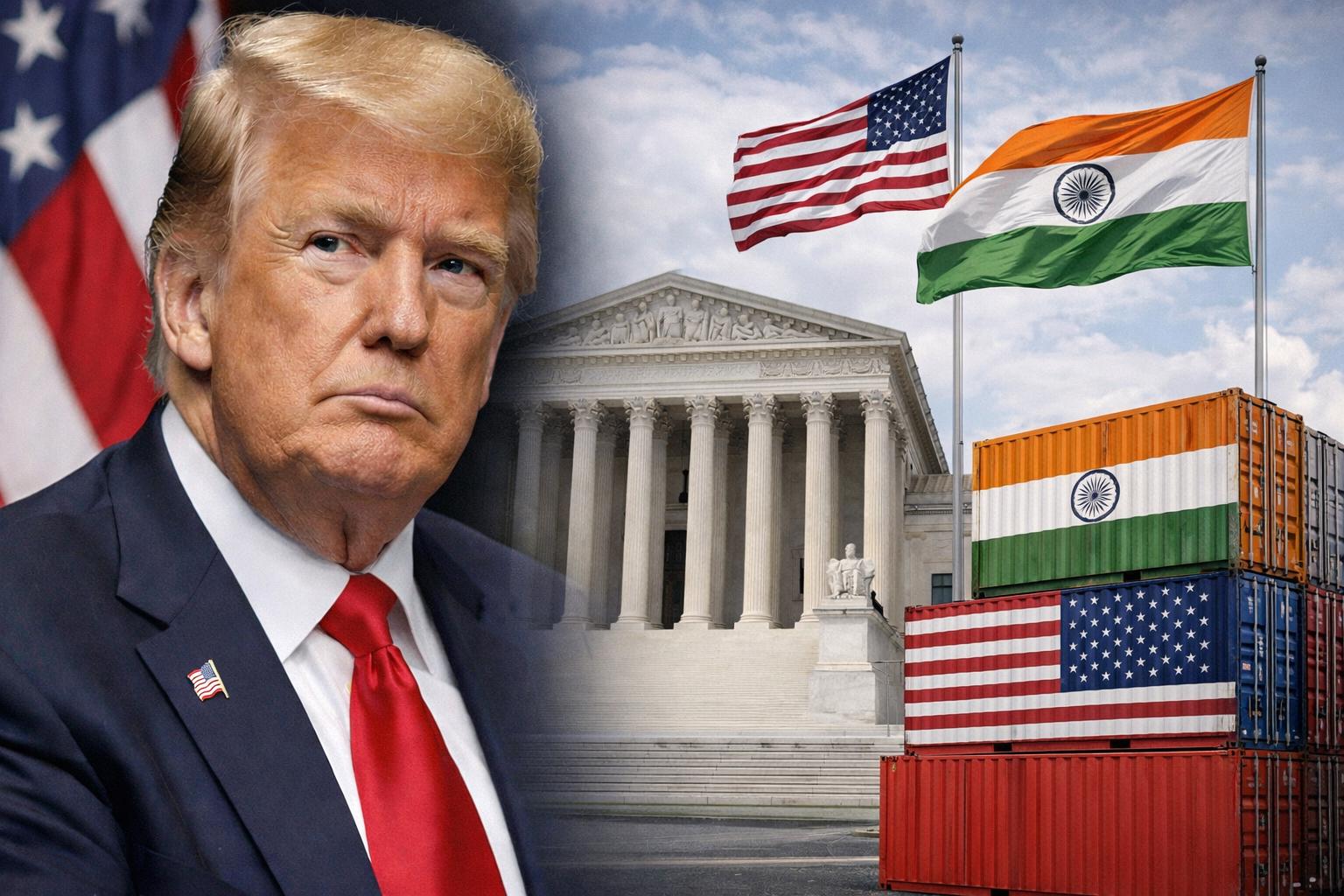
Delivering a 6–3 majority opinion, Chief Justice John Roberts stated that the International Emergency Economic Powers Act (IEEPA) does not authorize the president to levy tariffs. Justices Clarence Thomas, Samuel Alito and Brett Kavanaugh dissented from the ruling. The judgment is being closely watched by global markets and export-driven economies that have been impacted by recent shifts in US trade policy.
Since returning to the White House, Trump had aggressively reshaped America’s trade relationships by introducing a broad range of import duties affecting nearly every major economy. Many of these tariffs were justified through an expansive interpretation of IEEPA, including the administration’s near-global “reciprocal” tariffs and additional duties linked to concerns over the flow of fentanyl into the United States.
IEEPA allows the US president to regulate certain foreign economic transactions after declaring a national emergency to address extraordinary threats. However, the statute does not explicitly mention tariffs. The Trump administration argued that the power to regulate imports implicitly included the authority to impose duties. Legal critics and trade experts, however, maintained that Congress never intended the law to be used for sweeping tariff actions.
Lower federal courts had earlier ruled against the administration, finding the IEEPA-based tariffs unlawful. The Supreme Court’s decision now reinforces those findings and raises fresh questions about the future of several US trade measures. For countries like India, which maintain significant export exposure to the American market, the ruling could influence tariff stability and future trade negotiations.
Trump had first unveiled his wide-ranging reciprocal tariff plan during a high-profile White House announcement he described as “Liberation Day.” The move triggered volatility in global financial markets and created uncertainty among exporters and multinational businesses. The tariffs were subsequently paused, revised and reimposed multiple times, adding complexity to the United States’ trade environment.
Additional IEEPA-linked tariffs targeted imports from Mexico, Canada and China, with the administration citing national security concerns related to drug trafficking. Trump has consistently defended tariffs as both a strategic negotiating tool and a strong source of federal revenue. He has repeatedly claimed that foreign exporters bear the burden of the duties, although US officials have acknowledged that American importers technically pay the tariffs.
In recent statements, Trump suggested tariff collections could eventually replace income tax revenue and even floated the idea of issuing $2,000 payments to Americans funded by tariff income. Independent estimates, however, paint a more modest picture. The Bipartisan Policy Center estimated US gross tariff revenue for 2025 at around $289 billion, while US Customs and Border Protection reported collections of roughly $200 billion between January 20 and December 15. Of that total, about $129 billion came specifically from the IEEPA-based tariffs.
Ahead of the verdict, Trump had warned that striking down the tariffs could weaken US national security and economic leverage. Administration officials, including Treasury Secretary Scott Bessent, had expressed confidence that the Supreme Court would uphold what they described as a cornerstone of the president’s economic strategy.
The ruling now introduces fresh uncertainty into Washington’s trade approach and may prompt greater congressional involvement in future tariff decisions. For Indian exporters and policymakers, the judgment is likely to be monitored closely, as any recalibration of US tariff policy could influence bilateral trade flows, supply chains and pricing dynamics in the months ahead.