
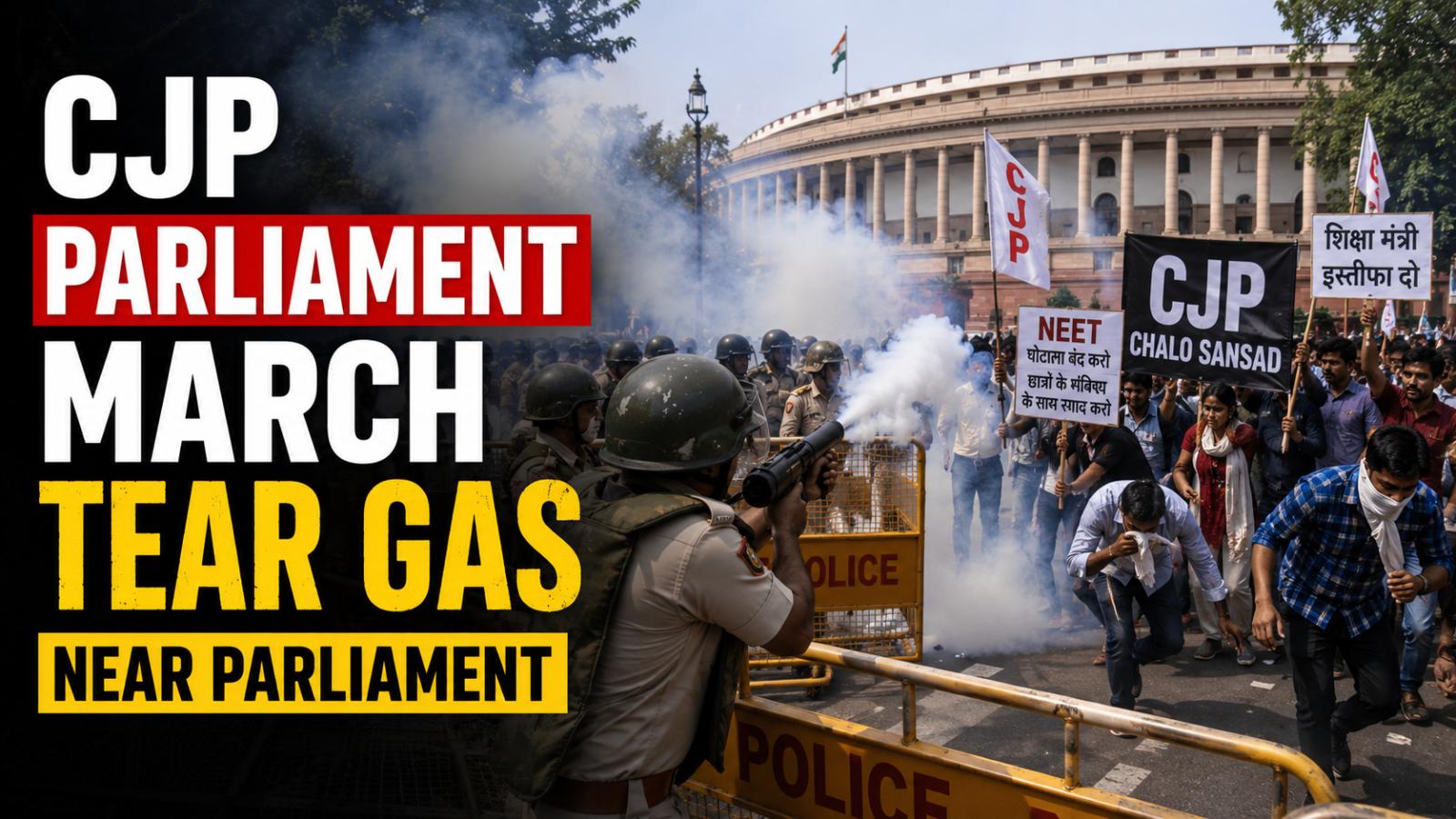
CJP Parliament March: Tear Gas Fired as Gates Shut
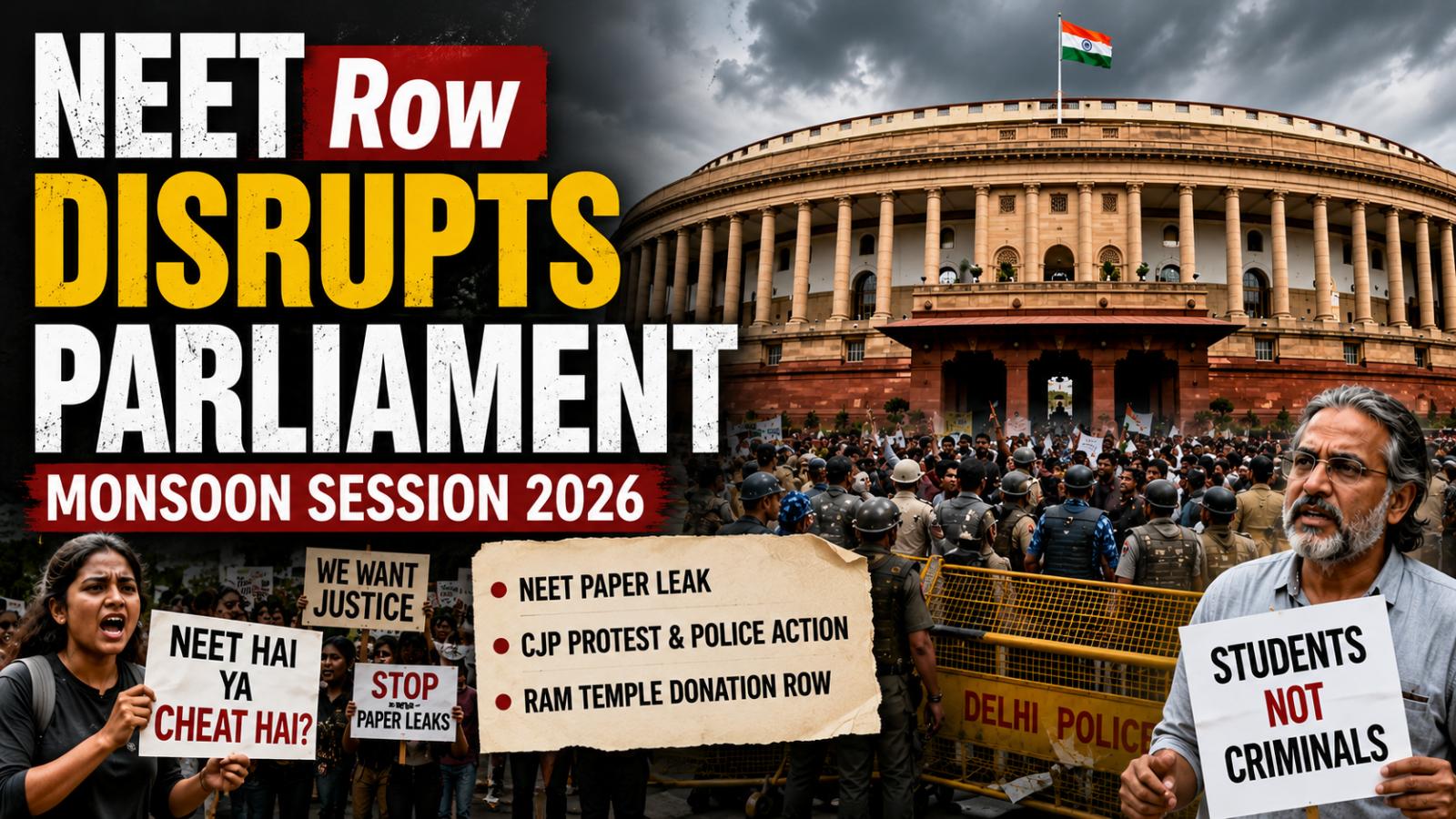
Police used tear gas and crowd-control measures as CJP supporters attempted to march from Jantar Mantar towards Parliament on July 20, 2026. Security was tightened, Parliament gates were closed, and restrictions were enforced across New Delhi.The CJP Parliament march tear gas confrontation intensified in New Delhi on Monday, July 20, 2026, as protesters attempted to move towards Parliament on the opening day of the Monsoon Session. Police closed the entrance gates to the Parliament complex and deployed security personnel to prevent demonstrators from entering the restricted area.
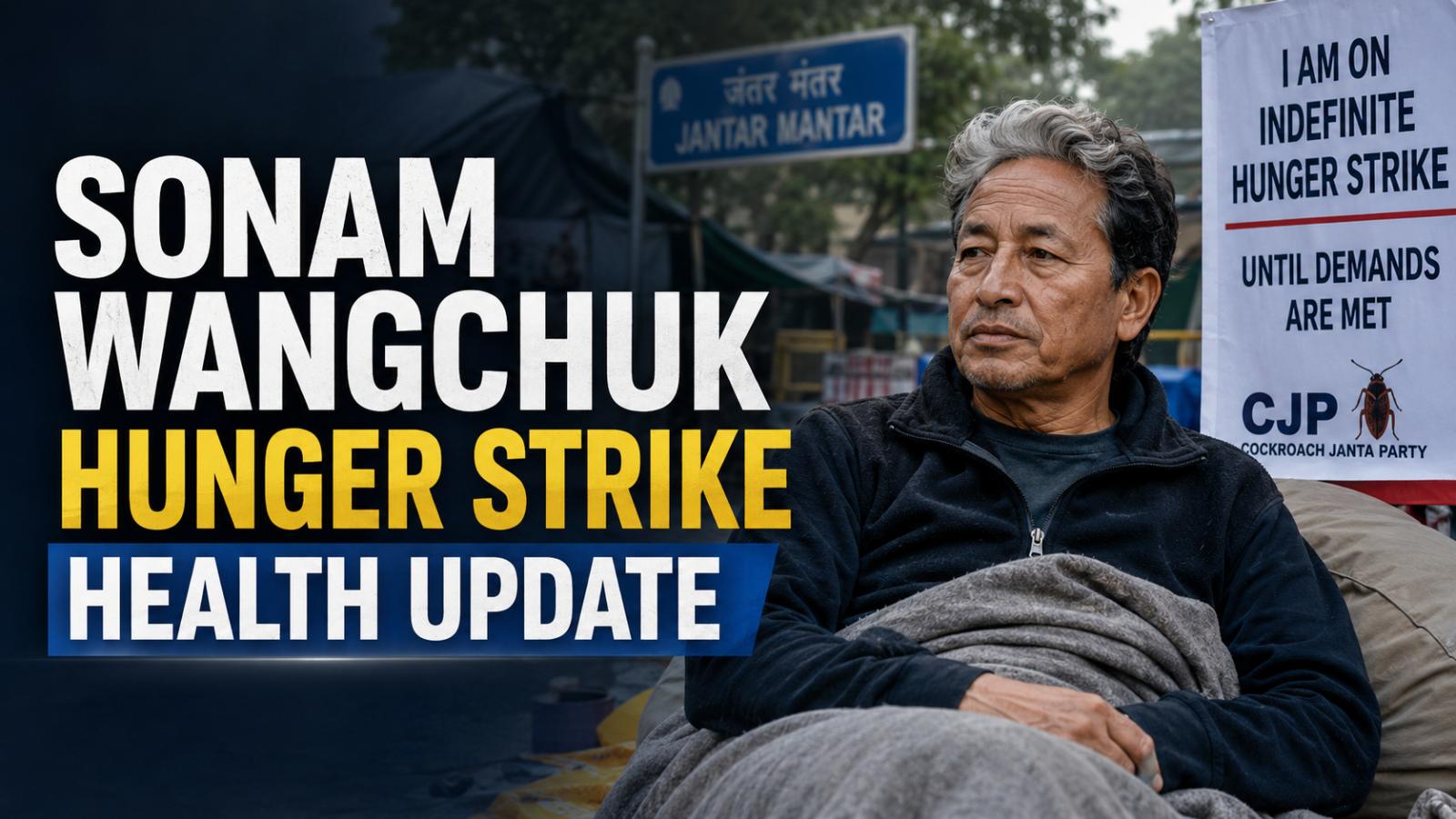
The march was organised by the Cockroach Janta Party from Jantar Mantar to raise concerns over alleged irregularities in examinations, including NEET, and to demand accountability from the Union government. Protesters also demanded the resignation of Union Education Minister Dharmendra Pradhan.
Tear Gas Used Near Parliament
Visuals circulated from the protest showed tear gas being used as groups of demonstrators moved closer to the Parliament complex. Security personnel took positions at the entrances, while the gates were temporarily shut as a precaution.
Large groups of CJP supporters were also reported near Rail Bhawan and Parliament Street, both located close to the high-security Parliament zone. Police and paramilitary forces had installed barricades across several approach roads before the proposed march began.
Protesters and Security Forces Clash
Tension increased after some protesters allegedly attempted to cross or breach police barricades. Reports said security personnel used batons to disperse sections of the crowd near Parliament Street and Jantar Mantar.
Delhi Police, however, disputed reports describing the incident as a lathi-charge and said the demonstration was being handled professionally. The differing accounts underline the need to attribute claims carefully while the circumstances surrounding the confrontation are examined.
Restrictions Enforced Across New Delhi
Prohibitory orders under Section 163 of the Bharatiya Nagarik Suraksha Sanhita were already in effect across the New Delhi district. Police said no permission had been requested or granted for a procession from Jantar Mantar to Parliament.
Under the restrictions, assemblies, processions, and demonstrations involving five or more people were prohibited outside designated protest areas unless prior approval had been obtained. Riot-control vehicles, water cannons, and additional personnel were deployed at strategic locations.
Delhi Metro Services Affected
Five Delhi Metro stations—Janpath, Rajiv Chowk, Patel Chowk, Central Secretariat, and Seva Teerth—were temporarily closed or had their gates restricted because of security concerns.
The closures disrupted travel through central Delhi as protesters attempted to reach Jantar Mantar from different parts of the city. Some station gates were reportedly reopened after the immediate security situation was reviewed.
Opposition Leaders Support Protesters
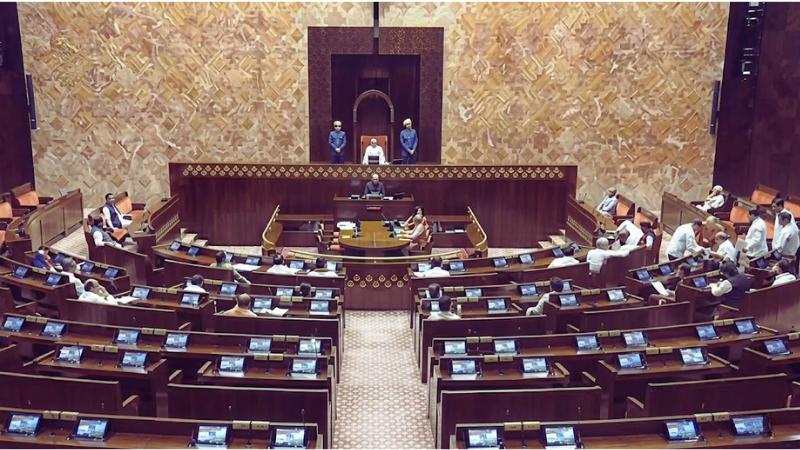
Several opposition leaders expressed support for the students’ demands. Samajwadi Party MPs led by Dimple Yadav moved from Parliament towards Jantar Mantar, while Congress president Mallikarjun Kharge raised the reported use of force against protesters in the Rajya Sabha.
CJP participants maintained that their demonstration was centred on accountability in the education and examination systems rather than opposition to any single political party.
The protest unfolded as Parliament began its Monsoon Session, where alleged examination irregularities and demands for education reforms were expected to become important issues raised by opposition parties.