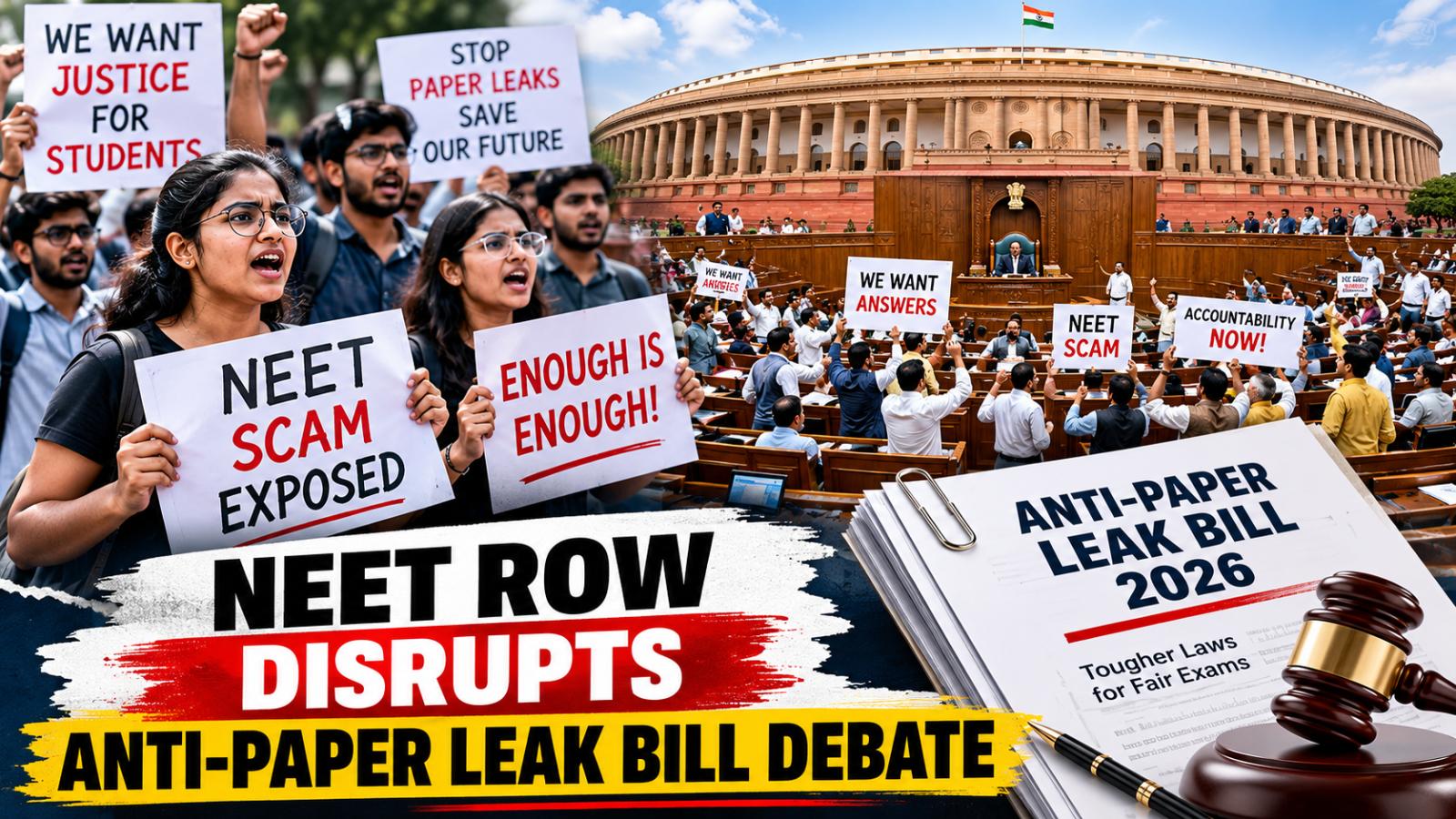

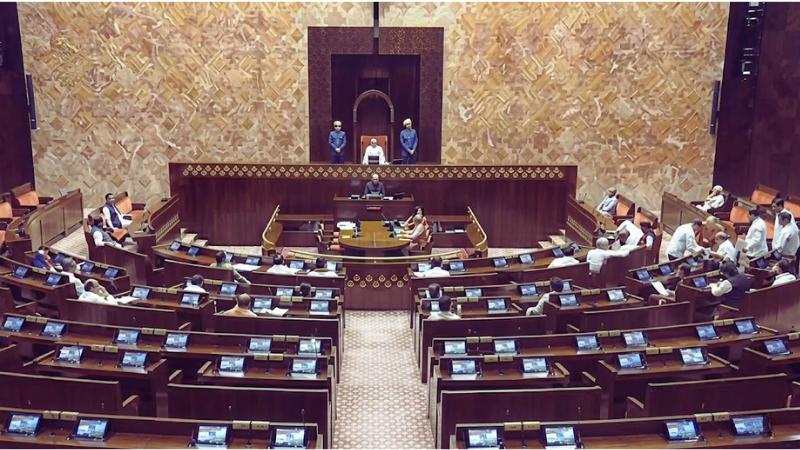
A special three-day session of Parliament from April 16–18, 2026, commenced with the introduction of the Women’s Reservation Bill by Union Law Minister Arjun Ram Meghwal. The proposed legislation seeks to reserve 33% of seats for women in the Lok Sabha and state assemblies, with implementation expected from 2029.
While the bill has received broad support, it has also triggered sharp political debate. Opposition parties have raised concerns over its linkage with the proposed delimitation process. The Samajwadi Party (SP) has demanded a “quota within a quota,” calling for a dedicated sub-quota for women from Other Backward Classes (OBCs) within the 33% reservation. The party is coordinating with allies, including the Rashtriya Janata Dal (RJD), on this demand.
The Indian National Congress has also criticized the Centre’s proposal to base delimitation on the 2011 Census, arguing that it could disadvantage southern states that have effectively controlled population growth while benefiting more populous northern regions. Senior leader Sonia Gandhi termed the move an “assault on the Constitution,” alleging that women’s reservation is being used to push broader electoral changes.
The Aam Aadmi Party (AAP) echoed similar concerns, describing the delimitation exercise as a threat to fair representation and federal balance.
With voting scheduled for April 17, the session is expected to witness intense debate on both the Women’s Reservation Bill and the delimitation issue. Narendra Modi is expected to address Parliament later in the day, adding to the political significance of the session.