
Shashi Tharoor Appeals to Sonam Wangchuk as 18-Day Fast Raises Health Fears
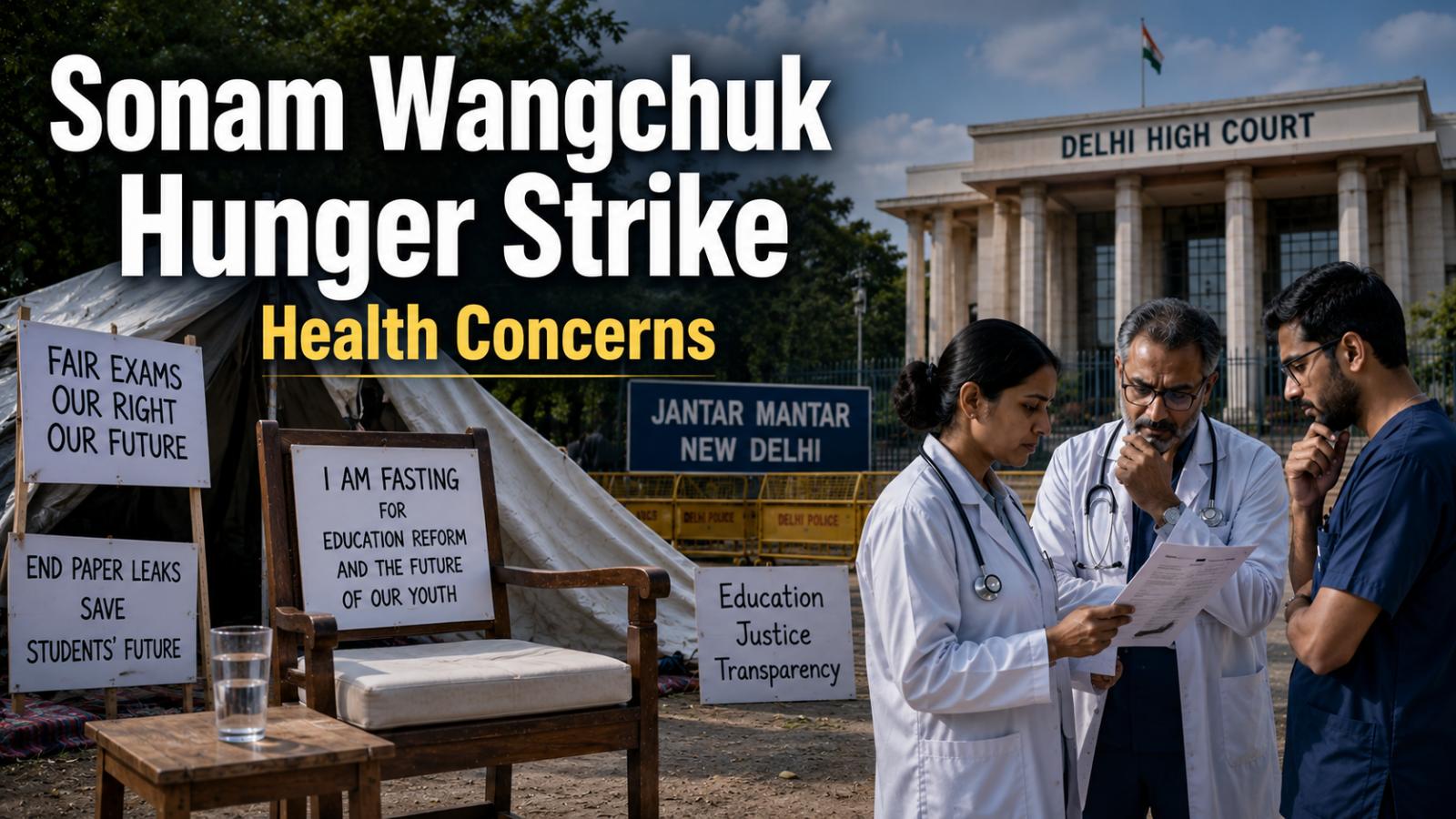
Congress MP Shashi Tharoor has appealed to activist Sonam Wangchuk to end his indefinite hunger strike at Delhi’s Jantar Mantar, as concerns grow over his deteriorating health and the medical dangers associated with prolonged fasting.
Wangchuk’s hunger strike entered its 18th day on Wednesday, July 15, 2026. Reports said he had experienced considerable weight and muscle loss and was suffering from intense physical discomfort. At the same time, a petition before the Delhi High Court sought medical treatment for him and force-feeding if doctors considered it necessary to protect his life.
The High Court sought responses from the central government and the Delhi government regarding the petition. However, no direction ordering Wangchuk to be force-fed had been issued at the time of reporting.
Tharoor Urges Wangchuk to Protect His Health
In an open letter addressed to the protesters at Jantar Mantar, Tharoor said Wangchuk’s campaign had already succeeded in drawing national attention to the concerns being raised.
The Congress leader urged him not to risk his life and suggested that the movement should now continue through parliamentary debate and dialogue with the government.
Tharoor said Wangchuk’s protest had awakened the country’s conscience and that India would need his voice for the longer campaign ahead.
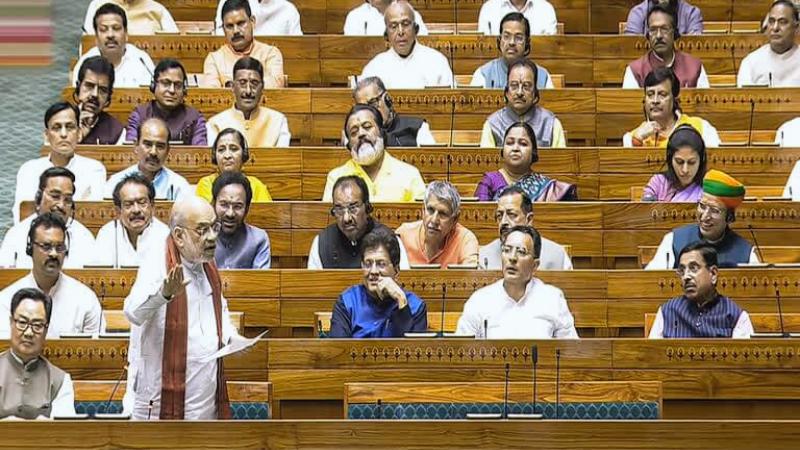
With Parliament expected to reconvene, Tharoor said lawmakers would have an opportunity to raise the protesters’ concerns in the country’s highest democratic forum.
He also urged the Centre to engage with Wangchuk and the other protesters instead of allowing the standoff to continue. According to Tharoor, opening a dialogue with young citizens should be seen as responsible leadership rather than weakness.
Political Leaders Appeal for an End to the Fast
Several political leaders and public figures have also asked Wangchuk to call off his hunger strike.
Those making appeals reportedly included West Bengal Chief Minister Mamata Banerjee, Samajwadi Party president Akhilesh Yadav, Shiv Sena (UBT) chief Uddhav Thackeray, and AAP national convenor Arvind Kejriwal.
Despite the growing concern and repeated appeals, Wangchuk continued his fast.
The petition filed before the Delhi High Court reportedly claimed that he had lost approximately 8.5 kilograms and that his health could deteriorate rapidly without medical intervention.
The case has led to a wider debate over whether authorities can force-feed a person participating in a voluntary hunger strike.
Can a Hunger Striker Be Force-Fed?
Doctors say force-feeding involves complicated medical, legal, and ethical questions.
A mentally competent adult generally has the right to refuse food or medical treatment, even when that decision could result in serious harm. Intervention may become necessary when a person becomes unconscious, severely confused, or unable to make an informed decision.
Doctors must then consider the individual’s medical condition, applicable laws, and any wishes previously expressed by the patient.
Force-feeding is also not a simple or risk-free procedure. A feeding tube can injure the nose or oesophagus, while food may accidentally enter the lungs instead of the stomach.
Other possible complications include vomiting, aspiration pneumonia, electrolyte disturbances, and psychological trauma. Medical experts, therefore, say any intervention must be carefully assessed rather than treated as an automatic solution.
Health Risks After Nearly Three Weeks Without Food
During the early stages of fasting, the body uses stored carbohydrates for energy. Once those reserves are exhausted, it begins breaking down fat and producing ketones as an alternative source of fuel.
As fasting continues, the body may also start breaking down muscle tissue. This can weaken muscles required for normal movement and may eventually affect essential organs, including the heart.
Doctors say the effects of prolonged fasting vary according to a person’s age, body weight, hydration, previous health conditions and whether they are consuming water or electrolyte supplements.
However, fasting for nearly three weeks can increase the risk of dehydration, low blood pressure, fainting, kidney injury, reduced immunity, and dangerous heart rhythm abnormalities.
An imbalance of minerals such as potassium, phosphate, and magnesium is particularly concerning because these electrolytes are essential for the proper functioning of the muscles, nerves, and heart.
Ending the Fast Requires Medical Supervision
Medical risks do not disappear immediately when a prolonged hunger strike ends.
Doctors warn that a person who has fasted for several weeks should not suddenly consume a large or heavy meal. Nutrition normally needs to be restarted gradually under medical supervision.
Small quantities of easily digestible food and fluids may be introduced first. Doctors may also monitor potassium, magnesium and phosphate levels while slowly increasing calorie intake.
Patients are sometimes given thiamine, or vitamin B1, before and during the process of restarting food.
This careful approach is necessary because eating too much too quickly can cause a dangerous condition known as refeeding syndrome.
What Is Refeeding Syndrome?
Refeeding syndrome can develop when carbohydrates and calories are introduced too rapidly after prolonged starvation.
When food is consumed again, insulin levels rise and cause important minerals to move from the bloodstream into the body’s cells. This can result in dangerously low blood levels of phosphate, potassium and magnesium.
Severe cases may lead to irregular heart rhythms, breathing difficulties, seizures, heart failure, and other life-threatening complications.
Doctors consider the first few days after restarting food especially important. Close monitoring can help prevent complications and allow nutrition to be increased safely.
Pressure Builds for Government Dialogue
Wangchuk’s continuing hunger strike has increased pressure on the authorities to begin talks before his condition worsens further.
Tharoor’s appeal attempted to balance support for the issues raised by the protesters with concern for Wangchuk’s health and safety.
The Congress MP argued that the protest had already gained national attention and that the next stage should take place through dialogue, parliamentary intervention, and democratic action.
As the Delhi High Court examines the petition, attention will remain focused on Wangchuk’s health, his right to refuse treatment, and whether the government will open formal discussions with the protesters.