
















Sonia Gandhi Responding Well to Treatment, Remains Under Observation
Senior Congress leader Sonia Gandhi is responding positively to treatment for a systemic infection, according to Sir Ganga Ram Hospital in New Delhi. The 79-year-old leader was admitted to the hospital on the night of March 24 after experiencing a fever. The hospital confirmed that she is being treated with antibiotics and remains under the close supervision of a team of senior doctors. Her health has been stable since admission, and the medical team is carefully monitoring her recovery.
Sonia Gandhi Responding Well to Treatment, Remains Under Observation
Senior Congress leader Sonia Gandhi is responding positively to treatment for a systemic infection, according to Sir Ganga Ram Hospital in New Delhi. The 79-year-old leader was admitted to the hospital on the night of March 24 after experiencing a fever. The hospital confirmed that she is being treated with antibiotics and remains under the close supervision of a team of senior doctors. Her health has been stable since admission, and the medical team is carefully monitoring her recovery.
India Fast-Tracks Oil and LPG Import Deals Amid Middle East Supply Crisis
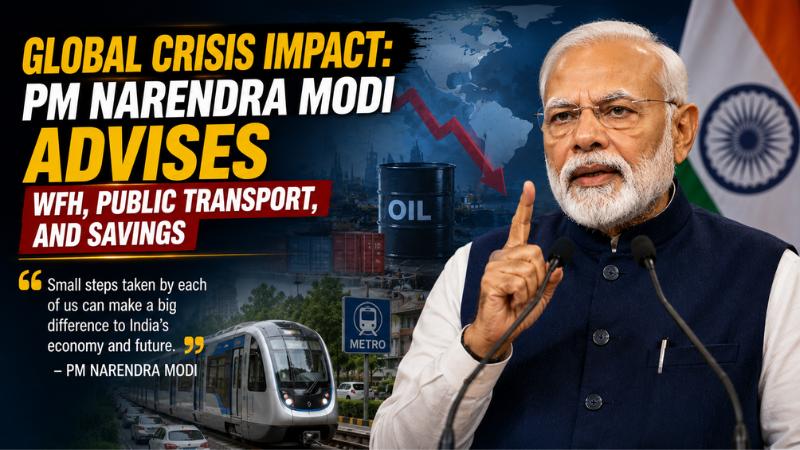
India is accelerating the signing of contracts for crude oil and LPG imports, aiming to diversify its supply sources amidst disruptions caused by the ongoing conflict in the Middle East. The country's need for oil has been rising, with daily imports averaging 5.5 to 6 million barrels. After Russia's oil imports were reduced as part of an agreement with the U.S., India has been exploring new avenues to ensure stable oil supplies, including from Russia, despite the geopolitical tensions.
India Fast-Tracks Oil and LPG Import Deals Amid Middle East Supply Crisis
India is accelerating the signing of contracts for crude oil and LPG imports, aiming to diversify its supply sources amidst disruptions caused by the ongoing conflict in the Middle East. The country's need for oil has been rising, with daily imports averaging 5.5 to 6 million barrels. After Russia's oil imports were reduced as part of an agreement with the U.S., India has been exploring new avenues to ensure stable oil supplies, including from Russia, despite the geopolitical tensions.
India Among 5 Nations Named in Iran’s ‘Friendly Countries’ List for Strait of Hormuz Passage
Iran has stated that the Strait of Hormuz, a key route for global oil transport, will remain open for select countries, including India, despite ongoing tensions in the Middle East. The strait is crucial for international trade,
India Among 5 Nations Named in Iran’s ‘Friendly Countries’ List for Strait of Hormuz Passage
Iran has stated that the Strait of Hormuz, a key route for global oil transport, will remain open for select countries, including India, despite ongoing tensions in the Middle East. The strait is crucial for international trade,
Oil at $150: BlackRock CEO Warns of Potential Economic Fallout
The global economy faces significant risks if oil prices reach $150 per barrel, warns Larry Fink, CEO of BlackRock. In recent days, Brent crude surpassed $110 per barrel, causing a substantial market reaction, and a new report suggests that prices could climb even further, especially if the ongoing U.S.-Iran conflict escalates. Fink emphasized that if oil prices continue to rise, the world would face a major economic shock rather than a gradual adjustment. The impact would be felt a
Oil at $150: BlackRock CEO Warns of Potential Economic Fallout
The global economy faces significant risks if oil prices reach $150 per barrel, warns Larry Fink, CEO of BlackRock. In recent days, Brent crude surpassed $110 per barrel, causing a substantial market reaction, and a new report suggests that prices could climb even further, especially if the ongoing U.S.-Iran conflict escalates. Fink emphasized that if oil prices continue to rise, the world would face a major economic shock rather than a gradual adjustment. The impact would be felt a
Rajya Sabha Elections 2026: Voting Begins Today, Key Contests in Three States
The biennial elections to the Rajya Sabha are underway today, March 16, 2026, to fill 37 seats across 10 states. Voting began at 9 am, with the counting of votes scheduled for later in the day at 5 pm. The seats vacated by members from states such as Maharashtra, Odisha, Tamil Nadu, West Bengal, Assam, Bihar, Chhattisgarh, Haryana, Himachal Pradesh, and Telangana will be filled during this election. Out of the 37 seats, 26 candidates have already been elected unopposed, including me
Rajya Sabha Elections 2026: Voting Begins Today, Key Contests in Three States
The biennial elections to the Rajya Sabha are underway today, March 16, 2026, to fill 37 seats across 10 states. Voting began at 9 am, with the counting of votes scheduled for later in the day at 5 pm. The seats vacated by members from states such as Maharashtra, Odisha, Tamil Nadu, West Bengal, Assam, Bihar, Chhattisgarh, Haryana, Himachal Pradesh, and Telangana will be filled during this election. Out of the 37 seats, 26 candidates have already been elected unopposed, including me
Why Indian Insurance Is the Best Option for NRIs: Affordable, Tax-Efficient, and Convenient
For Non-Resident Indians (NRIs), purchasing health and term insurance in India presents an attractive option due to affordable premiums and extensive coverage. Indian insurance companies offer plans that are often more economical than those available in foreign countries, making them an ideal choice for NRIs who want to protect their families back home without overburdening their finances. These policies are customized to suit the needs of Indian families, offering high coverage at a fraction
Why Indian Insurance Is the Best Option for NRIs: Affordable, Tax-Efficient, and Convenient
For Non-Resident Indians (NRIs), purchasing health and term insurance in India presents an attractive option due to affordable premiums and extensive coverage. Indian insurance companies offer plans that are often more economical than those available in foreign countries, making them an ideal choice for NRIs who want to protect their families back home without overburdening their finances. These policies are customized to suit the needs of Indian families, offering high coverage at a fraction
Delhi Excise Policy Case: Arvind Kejriwal, Manish Sisodia Receive Court Relief
In a significant legal development, Delhi Chief Minister Arvind Kejriwal and former Deputy Chief Minister Manish Sisodia have been discharged from the controversial Delhi excise policy case. A Delhi court ruled that the Central Bureau of Investigation (CBI) had failed to present substantial evidence to support the serious charges against the two leaders, effectively clearing them of the allegations. The court's decision highlighted the absence of material evidence to support the claim that Kejriwal played a central role in the alleged corruption surrounding the excise policy. The judge emphasized that such serious accusations, especially involving a prominent figure like the Chief Minister, required solid, verifiable evidence. Without this, the prosecution's claims could not be sustained. The court further noted that accepting unproven allegations could erode public trust in the office of the Chief Minister and in the political process as a whole. Manish Sisodia was also discharged by the court, which found that the prosecution's case did not hold up under judicial scrutiny. There was no evidence suggesting criminal intent on his part. The documents and statements related to the formulation of the excise policy were primarily administrative in nature and did not point to corruption or wrongdoing, weakening the prosecution's narrative. The prosecution’s conspiracy theory, which alleged an overarching plot involving both Kejriwal and Sisodia, was found to be lacking. The court identified internal contradictions within the claims and concluded that the policy formulation process had involved consultations at various government levels and institutional deliberations, none of which indicated illicit activity. This breakdown further undermined the prosecution's case. The court's ruling marks a major setback for the prosecution, underscoring the challenges in proving political and administrative corruption cases when key allegations lack corroborated evidence. The acquittals of Kejriwal and Sisodia raise questions about the strength of charges against political figures and the use of public office in such investigations. For Arvind Kejriwal, the discharge clears his name in this high-profile case, which has attracted significant attention from both political observers and the public. Kejriwal has long argued that the case against him was politically motivated, aimed at damaging the Aam Aadmi Party’s (AAP) image ahead of elections. This ruling could prove to be a pivotal moment in his political career, potentially strengthening his position as a leader who has been unjustly targeted.
Delhi Excise Policy Case: Arvind Kejriwal, Manish Sisodia Receive Court Relief
In a significant legal development, Delhi Chief Minister Arvind Kejriwal and former Deputy Chief Minister Manish Sisodia have been discharged from the controversial Delhi excise policy case. A Delhi court ruled that the Central Bureau of Investigation (CBI) had failed to present substantial evidence to support the serious charges against the two leaders, effectively clearing them of the allegations. The court's decision highlighted the absence of material evidence to support the claim that Kejriwal played a central role in the alleged corruption surrounding the excise policy. The judge emphasized that such serious accusations, especially involving a prominent figure like the Chief Minister, required solid, verifiable evidence. Without this, the prosecution's claims could not be sustained. The court further noted that accepting unproven allegations could erode public trust in the office of the Chief Minister and in the political process as a whole. Manish Sisodia was also discharged by the court, which found that the prosecution's case did not hold up under judicial scrutiny. There was no evidence suggesting criminal intent on his part. The documents and statements related to the formulation of the excise policy were primarily administrative in nature and did not point to corruption or wrongdoing, weakening the prosecution's narrative. The prosecution’s conspiracy theory, which alleged an overarching plot involving both Kejriwal and Sisodia, was found to be lacking. The court identified internal contradictions within the claims and concluded that the policy formulation process had involved consultations at various government levels and institutional deliberations, none of which indicated illicit activity. This breakdown further undermined the prosecution's case. The court's ruling marks a major setback for the prosecution, underscoring the challenges in proving political and administrative corruption cases when key allegations lack corroborated evidence. The acquittals of Kejriwal and Sisodia raise questions about the strength of charges against political figures and the use of public office in such investigations. For Arvind Kejriwal, the discharge clears his name in this high-profile case, which has attracted significant attention from both political observers and the public. Kejriwal has long argued that the case against him was politically motivated, aimed at damaging the Aam Aadmi Party’s (AAP) image ahead of elections. This ruling could prove to be a pivotal moment in his political career, potentially strengthening his position as a leader who has been unjustly targeted.
Understanding RBI's Impact on Offshore Gifting and NRI Transactions
The Reserve Bank of India (RBI) has recently imposed stricter regulations on offshore gifting, particularly for affluent Indian families sending substantial financial gifts to their children living abroad. These gifts are often used to support various needs, such as education, property purchases, or immigration investments, such as the U.S. EB-5 visa program. While the practice of offshore gifting has grown in popularity, the RBI has increased scrutiny, especially when these transactions invo
Understanding RBI's Impact on Offshore Gifting and NRI Transactions
The Reserve Bank of India (RBI) has recently imposed stricter regulations on offshore gifting, particularly for affluent Indian families sending substantial financial gifts to their children living abroad. These gifts are often used to support various needs, such as education, property purchases, or immigration investments, such as the U.S. EB-5 visa program. While the practice of offshore gifting has grown in popularity, the RBI has increased scrutiny, especially when these transactions invo
Fusion of Tradition and Modernity: The Role of Young Indian-Americans in Cultural Evolution
Young Indian-Americans, particularly second-generation NRIs, are spearheading a cultural revolution in the United States. Born or raised in the U.S., these youth are reinterpreting Indian culture through a fusion of traditional and contemporary influences. While their parents often maintained strong ties to Indian traditions, younger NRIs are creating a unique identity that blends Indian values with modern societal norms. This transformation is especially visible in the way they celebrate Indian festivals, such as Diwali and Holi, with modern twists that incorporate technology, fusion dance, and bilingual emceeing, making these celebrations more inclusive for people from diverse backgrounds. Culinary innovation is another domain where these youth are making a significant impact. Traditional Indian recipes are being adapted to modern tastes and dietary preferences. Vegan butter chicken, quinoa upma, and air-fried samosas are just a few examples of how young Indian-Americans are staying connected to their roots while promoting sustainability and healthy eating. Cooking has become a way to tell stories and pass down traditions, albeit in a contemporary context, as second-generation NRIs experiment with ingredients and cooking methods that resonate with their modern lifestyles. Language plays a crucial role in the ongoing cultural evolution. Though many second-generation NRIs might not be fluent in their parents' native languages, they still embrace key cultural phrases and expressions. Some are actively learning their ancestral languages through digital tools or community programs, ensuring that the connection to their linguistic heritage remains strong. This linguistic blend of old and new is reinforced by films, storytelling, and social media, which serve as essential tools for maintaining cultural ties in a fast-paced, interconnected world. Perhaps the most profound shift lies in how second-generation NRIs are challenging long-held cultural taboos. Issues like gender equality, mental health and interfaith relationships are now being addressed more openly and inclusively. While the previous generation might have shied away from these conversations due to cultural and social constraints, today's youth are breaking barriers and engaging in these discussions with a fresh perspective. Their willingness to confront such topics reflects a broader, more inclusive view of identity that blends both Indian cultural values and Western ideals of self-expression, freedom, and equality. This transformation is shaping the way they define themselves and their relationships, emphasizing the importance of personal choice, respect for diversity, and social justice. Through this evolving dialogue, second-generation NRIs are not only redefining their cultural identity but also influencing how future generations will approach these critical issues within both their communities and the broader global context.
Fusion of Tradition and Modernity: The Role of Young Indian-Americans in Cultural Evolution
Young Indian-Americans, particularly second-generation NRIs, are spearheading a cultural revolution in the United States. Born or raised in the U.S., these youth are reinterpreting Indian culture through a fusion of traditional and contemporary influences. While their parents often maintained strong ties to Indian traditions, younger NRIs are creating a unique identity that blends Indian values with modern societal norms. This transformation is especially visible in the way they celebrate Indian festivals, such as Diwali and Holi, with modern twists that incorporate technology, fusion dance, and bilingual emceeing, making these celebrations more inclusive for people from diverse backgrounds. Culinary innovation is another domain where these youth are making a significant impact. Traditional Indian recipes are being adapted to modern tastes and dietary preferences. Vegan butter chicken, quinoa upma, and air-fried samosas are just a few examples of how young Indian-Americans are staying connected to their roots while promoting sustainability and healthy eating. Cooking has become a way to tell stories and pass down traditions, albeit in a contemporary context, as second-generation NRIs experiment with ingredients and cooking methods that resonate with their modern lifestyles. Language plays a crucial role in the ongoing cultural evolution. Though many second-generation NRIs might not be fluent in their parents' native languages, they still embrace key cultural phrases and expressions. Some are actively learning their ancestral languages through digital tools or community programs, ensuring that the connection to their linguistic heritage remains strong. This linguistic blend of old and new is reinforced by films, storytelling, and social media, which serve as essential tools for maintaining cultural ties in a fast-paced, interconnected world. Perhaps the most profound shift lies in how second-generation NRIs are challenging long-held cultural taboos. Issues like gender equality, mental health and interfaith relationships are now being addressed more openly and inclusively. While the previous generation might have shied away from these conversations due to cultural and social constraints, today's youth are breaking barriers and engaging in these discussions with a fresh perspective. Their willingness to confront such topics reflects a broader, more inclusive view of identity that blends both Indian cultural values and Western ideals of self-expression, freedom, and equality. This transformation is shaping the way they define themselves and their relationships, emphasizing the importance of personal choice, respect for diversity, and social justice. Through this evolving dialogue, second-generation NRIs are not only redefining their cultural identity but also influencing how future generations will approach these critical issues within both their communities and the broader global context.
PM Modi’s Instagram Following Surpasses 100 Million, Making Him the First World Leader to Achieve the Milestone
Prime Minister Narendra Modi has achieved a significant milestone in the digital space, becoming the first world leader to cross 100 million followers on Instagram. The achievement highlights his strong presence on social media and reflects his influence in the global political landscape. Since joining Instagram in 2014, Modi’s account has steadily expanded in reach. What began as a platform to share official engagements, foreign visits, and personal moments gradually evolved into
PM Modi’s Instagram Following Surpasses 100 Million, Making Him the First World Leader to Achieve the Milestone
Prime Minister Narendra Modi has achieved a significant milestone in the digital space, becoming the first world leader to cross 100 million followers on Instagram. The achievement highlights his strong presence on social media and reflects his influence in the global political landscape. Since joining Instagram in 2014, Modi’s account has steadily expanded in reach. What began as a platform to share official engagements, foreign visits, and personal moments gradually evolved into
India issues advisory for citizens in Mexico amid rising security concerns
India has issued a safety advisory for its citizens currently living in or travelling to Mexico following reports of ongoing clashes and heightened security operations in several parts of the country. The Indian Embassy in Mexico City released the advisory on Sunday, urging Indian nationals to remain vigilant and strictly follow local safety guidelines. In its official communication, the embassy advised Indians in specific high-risk regions to shelter in place until further notice.
India issues advisory for citizens in Mexico amid rising security concerns
India has issued a safety advisory for its citizens currently living in or travelling to Mexico following reports of ongoing clashes and heightened security operations in several parts of the country. The Indian Embassy in Mexico City released the advisory on Sunday, urging Indian nationals to remain vigilant and strictly follow local safety guidelines. In its official communication, the embassy advised Indians in specific high-risk regions to shelter in place until further notice.
US Supreme Court curbs Trump tariff powers in major ruling
In a significant development with potential global trade implications, the United States Supreme Court on Friday struck down a major portion of former President Donald Trump’s sweeping tariff framework. The court ruled that the law used by the administration to justify many of the import duties does not grant the president unilateral authority to impose tariffs, a decision that could indirectly affect key trading partners, including India. Delivering a 6–3 majority opinion, Chief Justice
US Supreme Court curbs Trump tariff powers in major ruling
In a significant development with potential global trade implications, the United States Supreme Court on Friday struck down a major portion of former President Donald Trump’s sweeping tariff framework. The court ruled that the law used by the administration to justify many of the import duties does not grant the president unilateral authority to impose tariffs, a decision that could indirectly affect key trading partners, including India. Delivering a 6–3 majority opinion, Chief Justice
India joins US-led Gaza Board of Peace talks in observer role
India on Thursday participated as an observer in the inaugural meeting of United States President Donald Trump’s newly formed Board of Peace initiative focused on the Gaza Strip. According to the official list of participants, India was represented by Namgya Khampa, Chargé d’Affaires at the Indian embassy in Washington, DC. Government sources indicated that New Delhi has not formally joined the Board of Peace and is currently maintaining an observer position as it closely tracks development
India joins US-led Gaza Board of Peace talks in observer role
India on Thursday participated as an observer in the inaugural meeting of United States President Donald Trump’s newly formed Board of Peace initiative focused on the Gaza Strip. According to the official list of participants, India was represented by Namgya Khampa, Chargé d’Affaires at the Indian embassy in Washington, DC. Government sources indicated that New Delhi has not formally joined the Board of Peace and is currently maintaining an observer position as it closely tracks development
India strengthens AI ties with Canada and Australia under ACITI
New Delhi: India is emerging as a central force in global artificial intelligence collaboration as Canada’s Minister of Artificial Intelligence and Digital Innovation, Evan Solomon, highlighted the rapid progress of trilateral cooperation between India, Canada and Australia. Speaking in the national capital, Solomon described the three democracies as natural partners in the AI domain, pointing to India’s growing technological capabilities and talent strength. The minister acknow
India strengthens AI ties with Canada and Australia under ACITI
New Delhi: India is emerging as a central force in global artificial intelligence collaboration as Canada’s Minister of Artificial Intelligence and Digital Innovation, Evan Solomon, highlighted the rapid progress of trilateral cooperation between India, Canada and Australia. Speaking in the national capital, Solomon described the three democracies as natural partners in the AI domain, pointing to India’s growing technological capabilities and talent strength. The minister acknow
PM Modi to visit Israel on February 25–26 to strengthen India ties
Prime Minister Narendra Modi is set to undertake a two-day visit to Israel from February 25 to 26, in what is expected to be another significant step in strengthening India’s strategic engagement with the West Asian nation. According to official sources, the final programme is being worked out, with the visit likely to feature high-level discussions focused on expanding cooperation in key sectors. Modi is also expected to address the Israeli parliament, the Knesset, during the trip.
PM Modi to visit Israel on February 25–26 to strengthen India ties
Prime Minister Narendra Modi is set to undertake a two-day visit to Israel from February 25 to 26, in what is expected to be another significant step in strengthening India’s strategic engagement with the West Asian nation. According to official sources, the final programme is being worked out, with the visit likely to feature high-level discussions focused on expanding cooperation in key sectors. Modi is also expected to address the Israeli parliament, the Knesset, during the trip.


