

India has strongly criticised US Vice President JD Vance’s description of foreign technology workers as “indentured servants”, calling the terminology unwarranted and deeply offensive. The Ministry of External Affairs (MEA) defended Indian professionals and emphasised their contribution to American businesses, research and innovation.
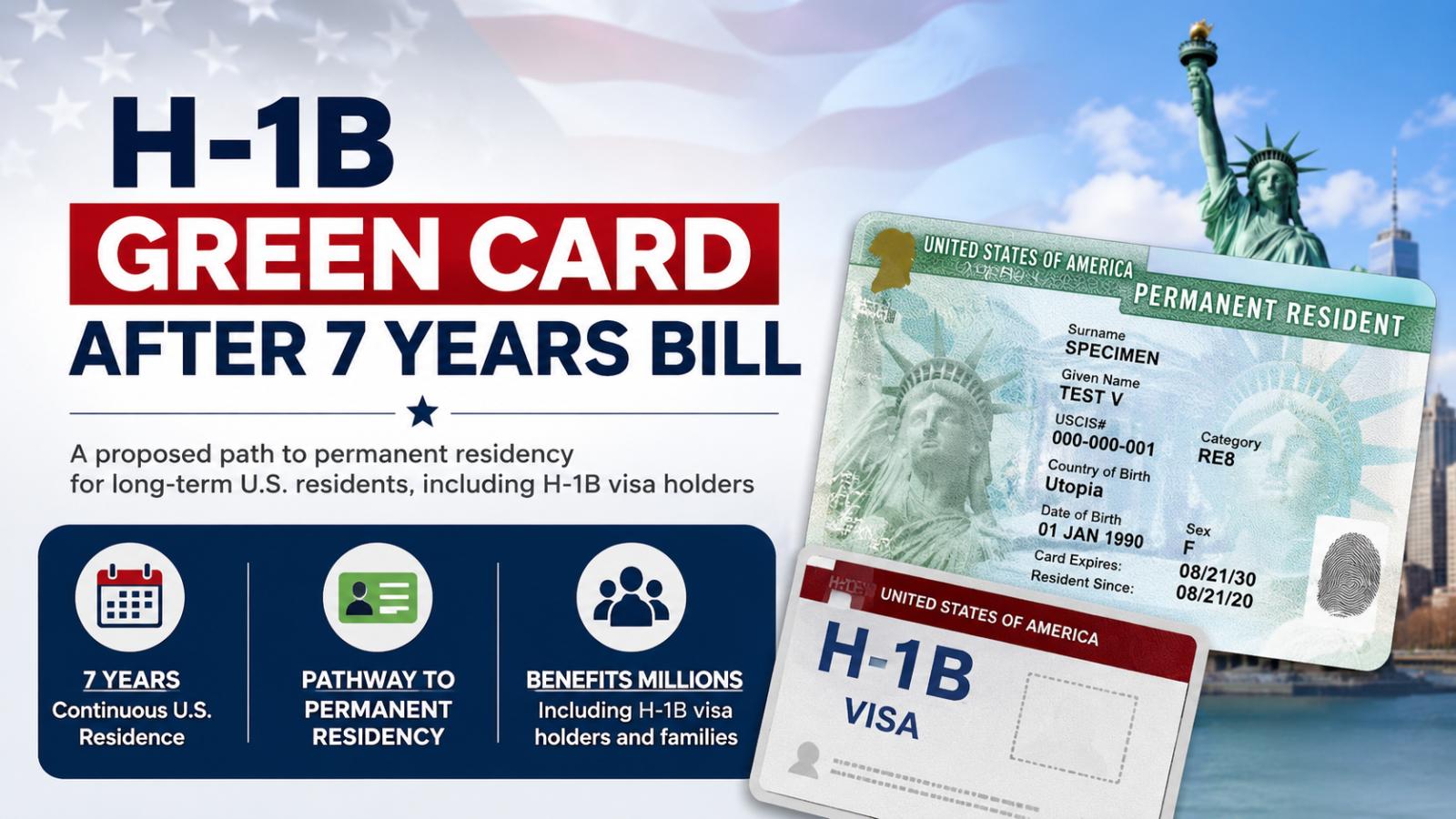
The response followed Washington’s decision to suspend eight technology companies from the Permanent Labour Certification Programme, known as PERM. India also clarified that the suspension does not, by itself, invalidate existing H-1B visas or change the status of their holders and dependents.
India Rejects Vance’s Characterisation
Vance accused technology companies of using foreign-worker programmes to replace American employees. While supporting the restrictions, he used the phrase “foreign indentured servants” to describe workers hired through these arrangements.
India rejected that characterisation, saying it overlooked the skills and economic contribution of Indian professionals. The MEA stressed that movement of skilled talent supports both countries, helping American companies improve productivity, develop technology and remain competitive. It said the US measures did not advance the two countries’ shared ambitions. The response places the contribution of Indian workers at the centre of the debate, alongside Washington’s stated concerns about protecting American jobs.
Why the Remark Drew a Strong Response
The term “indentured servants” carries a painful historical legacy. Indentured labour involved workers bound to employers through contracts, often linked to travel costs, debts or other obligations. Such arrangements frequently left workers vulnerable to exploitation.
For India, the expression also recalls the colonial-era movement of Indian labourers to plantations and other workplaces overseas. The MEA objected to language carrying those historical and colonial associations when referring to skilled professionals working in the United States. India’s position is that these professionals should be recognised for their expertise and contribution to the economy in which they work.
Eight Technology Companies Face PERM Suspension
The affected companies are TCS, Infosys, Wipro, HCLTech, Cognizant, Capgemini, Microsoft and Adobe. Under the announced action, the US Labour Department has stopped accepting new PERM applications and processing pending applications involving these employers.
PERM is a labour-certification step used in many employer-sponsored green-card cases. Employers generally must demonstrate that suitable American workers are unavailable for a position and that employing a foreign worker will not adversely affect comparable US workers’ wages and working conditions. The suspension creates uncertainty for eligible employees pursuing permanent residency through the affected companies.
What It Means for H-1B Visa Holders
PERM and H-1B serve different purposes. PERM relates to an employment-based permanent-residency pathway, while H-1B allows eligible foreign professionals to work in specialised occupations.
The MEA said the PERM suspension alone does not affect the validity of existing H-1B visas or the immigration status of visa holders and their dependents. However, it could affect the green-card process for eligible employees at the companies concerned.
India said it would continue following developments. Its response highlights both the immediate uncertainty over permanent-residency applications and the wider importance of skilled-worker mobility to India-US economic cooperation.