
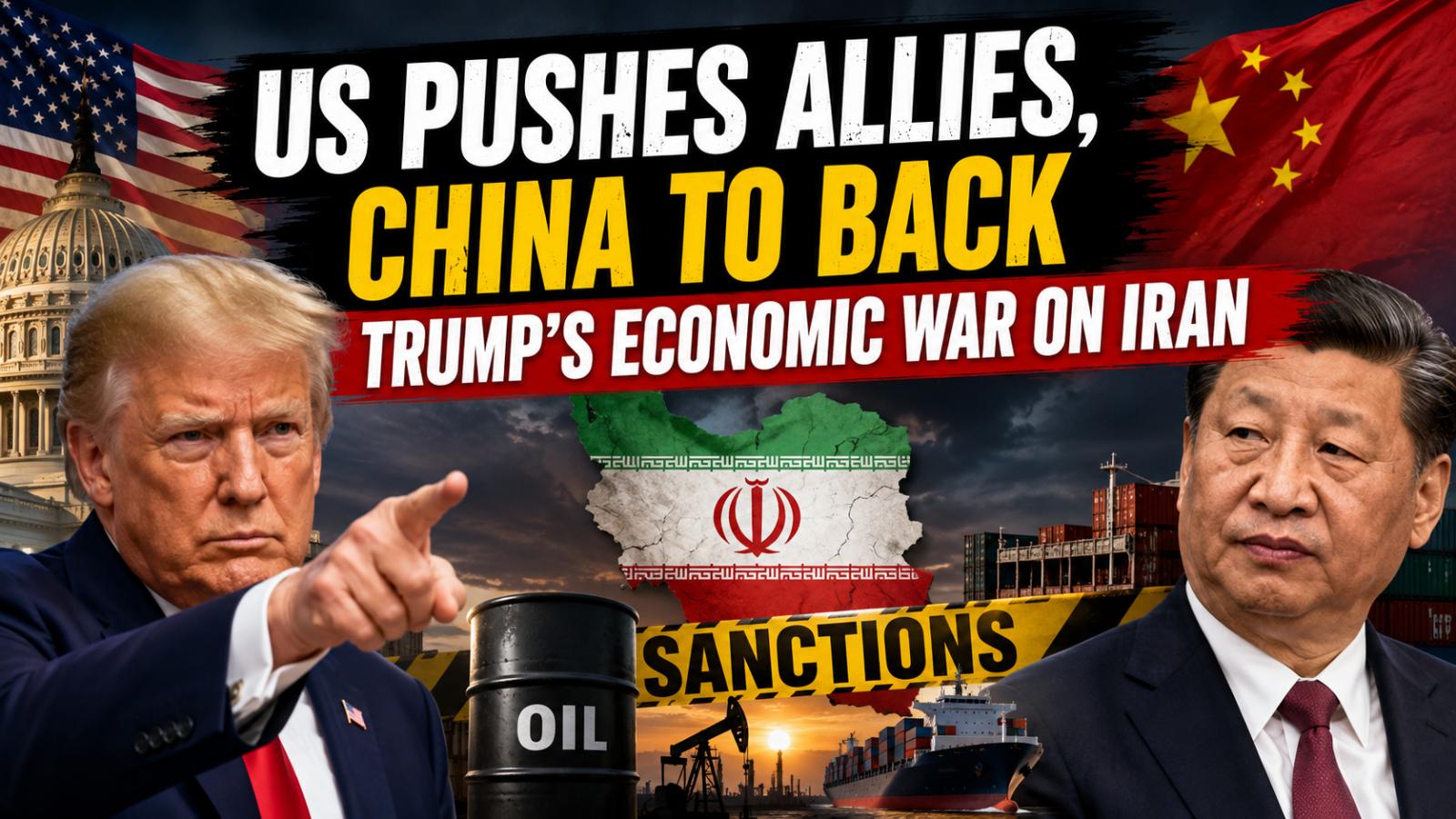
Washington, DC: The US is pressing allies and China to support President Donald Trump’s intensified economic campaign aimed at isolating Iran.
The United States has stepped up pressure on its allies and China to support President Donald Trump’s new economic campaign against Iran, as Washington prepares additional measures designed to deepen Tehran’s financial isolation.
US Treasury Secretary Scott Bessent said countries maintaining economic links with Iran could face consequences under the emerging strategy. He also suggested that maximum economic pressure could reduce the likelihood of a renewed large-scale military escalation, although Washington has not yet revealed the full details of its planned sanctions package.
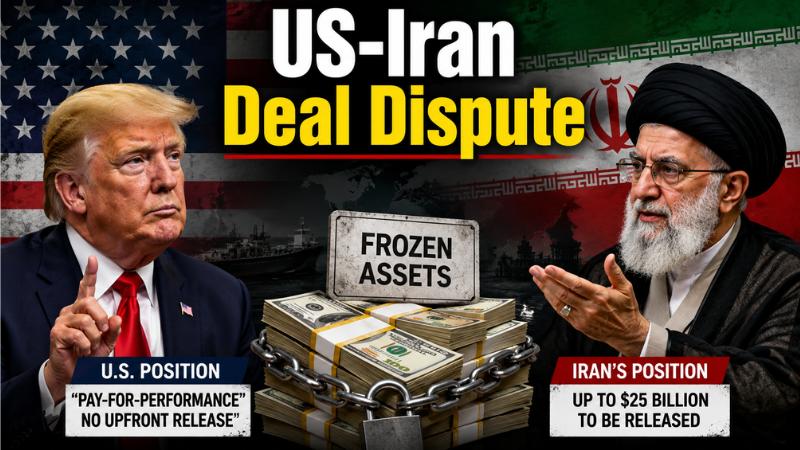
US Pushes Allies To Back Tougher Iran SanctionsTrump announced what he described as an unprecedented economic operation against Iran, calling for broader international cooperation to restrict Tehran’s access to oil revenue, financial networks, shipping services and international commerce.
Bessent reinforced that message, warning governments and businesses against maintaining significant economic ties with Tehran. He said further details would be announced at a press conference on Monday, leaving questions over which sectors, companies and countries could face new restrictions.
Vice President JD Vance also described economic pressure as one of Washington’s strongest tools against Iran while acknowledging that Tehran could try to retaliate economically.
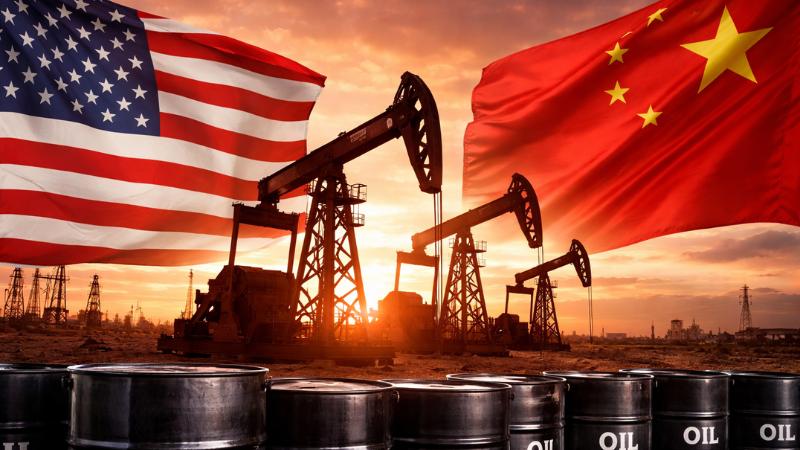
US Pushes China To Reduce Economic Links With TehranChina is expected to become a major focus of Washington’s campaign because it remains a significant buyer of Iranian oil. When asked about possible pressure on Beijing, Bessent said some discussions were better conducted privately but urged China to cooperate with US efforts.
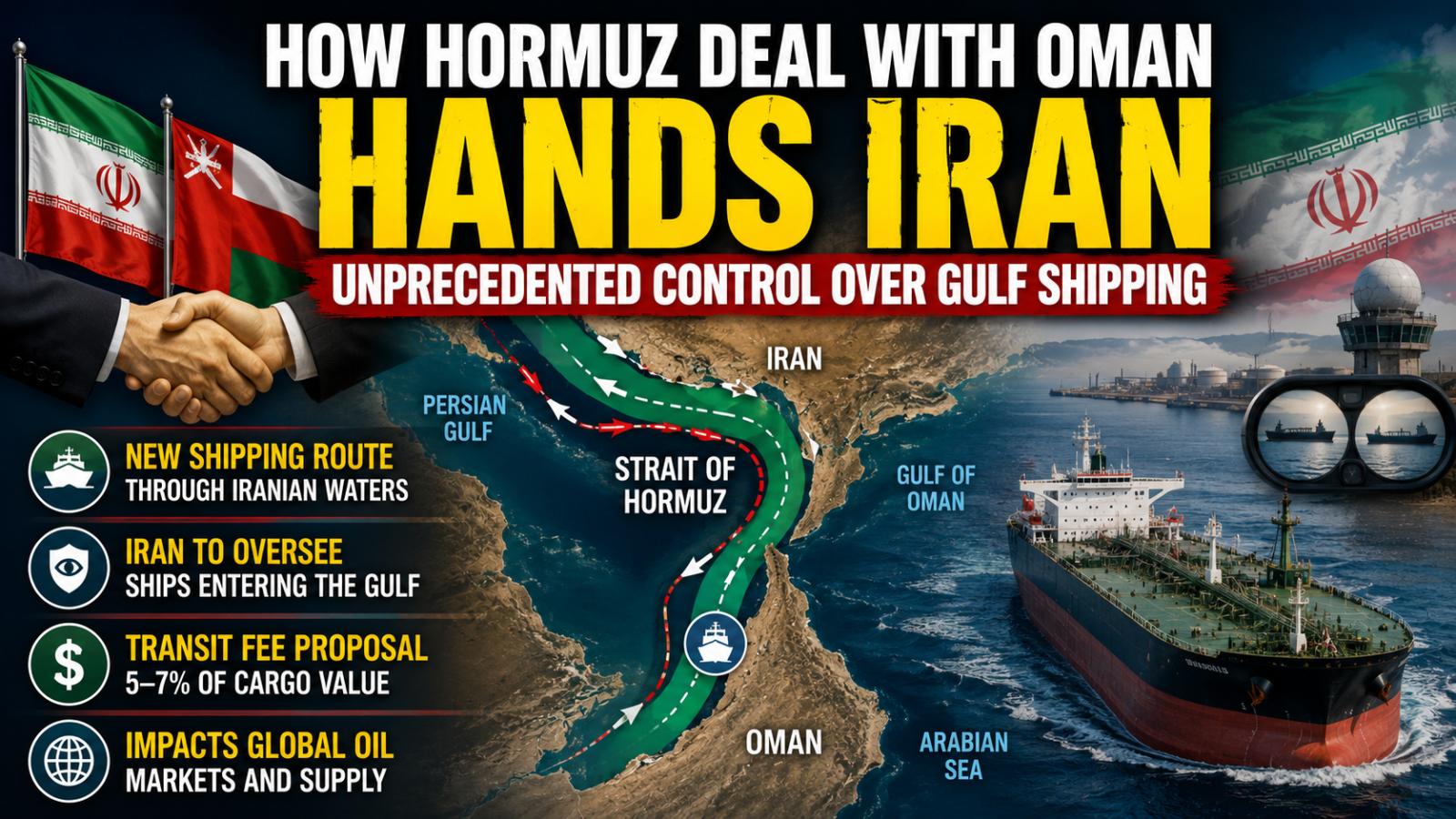
Washington argues that China also has a major interest in stability in the Gulf because of its dependence on energy imports from the region. The United States wants Beijing to support efforts aimed at restoring normal shipping through the Strait of Hormuz, a crucial route for global oil and gas supplies. The issue could also feature in upcoming US-China diplomacy, with Chinese President Xi Jinping expected to visit the White House on September 24.
US Pushes Economic Pressure As Iran Rejects ThreatsIran strongly rejected Washington’s latest campaign. Foreign Minister Abbas Araghchi accused the Trump administration of using economic pressure to distract from domestic US economic challenges.
Iran’s Foreign Ministry went further, describing American sanctions as “economic terrorism” and arguing that years of restrictions have directly affected ordinary Iranian citizens. Despite extensive sanctions, Iran has continued exporting oil through alternative trading and shipping networks. Washington has repeatedly targeted vessels, companies and financial intermediaries accused of helping Tehran bypass restrictions.
US Pushes New Strategy Amid Strait Of Hormuz TensionsThe economic offensive comes as tensions remain high around the Strait of Hormuz and as diplomatic talks between Washington and Tehran remain stalled. Trump has said military pressure and naval operations have limited Iran’s ability to control the key energy corridor, while Tehran continues to demand sanctions relief and other concessions.
At the same time, Washington is maintaining a strong military presence in the Middle East. A new US aircraft carrier strike group has arrived in the region, underlining that economic pressure is being pursued alongside military preparedness. With details of the new sanctions expected on Monday, attention will now turn to whether US allies and China support Washington’s campaign or resist calls to reduce their economic engagement with Iran.