
US-Iran Frozen Assets Dispute Grows After Trump Deal Claim
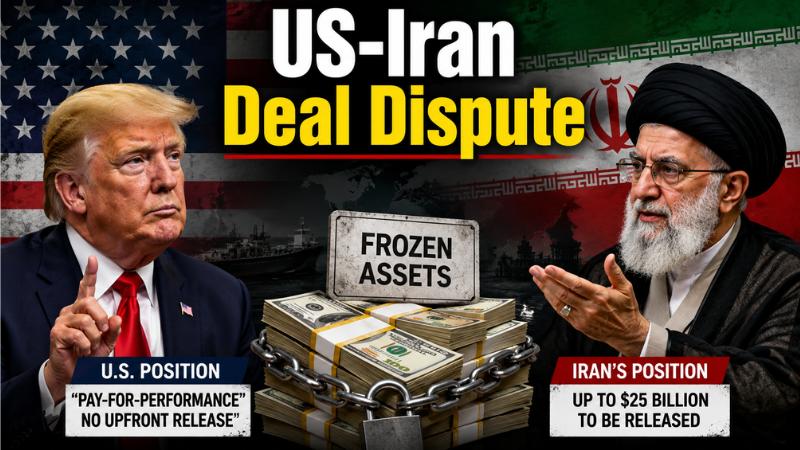
A dispute over Iran’s frozen assets has become the main point of tension after US President Donald Trump claimed that a deal with Tehran was “complete”. While Iranian officials have suggested that the draft agreement includes the release of frozen funds, US officials have denied any unconditional upfront payment.
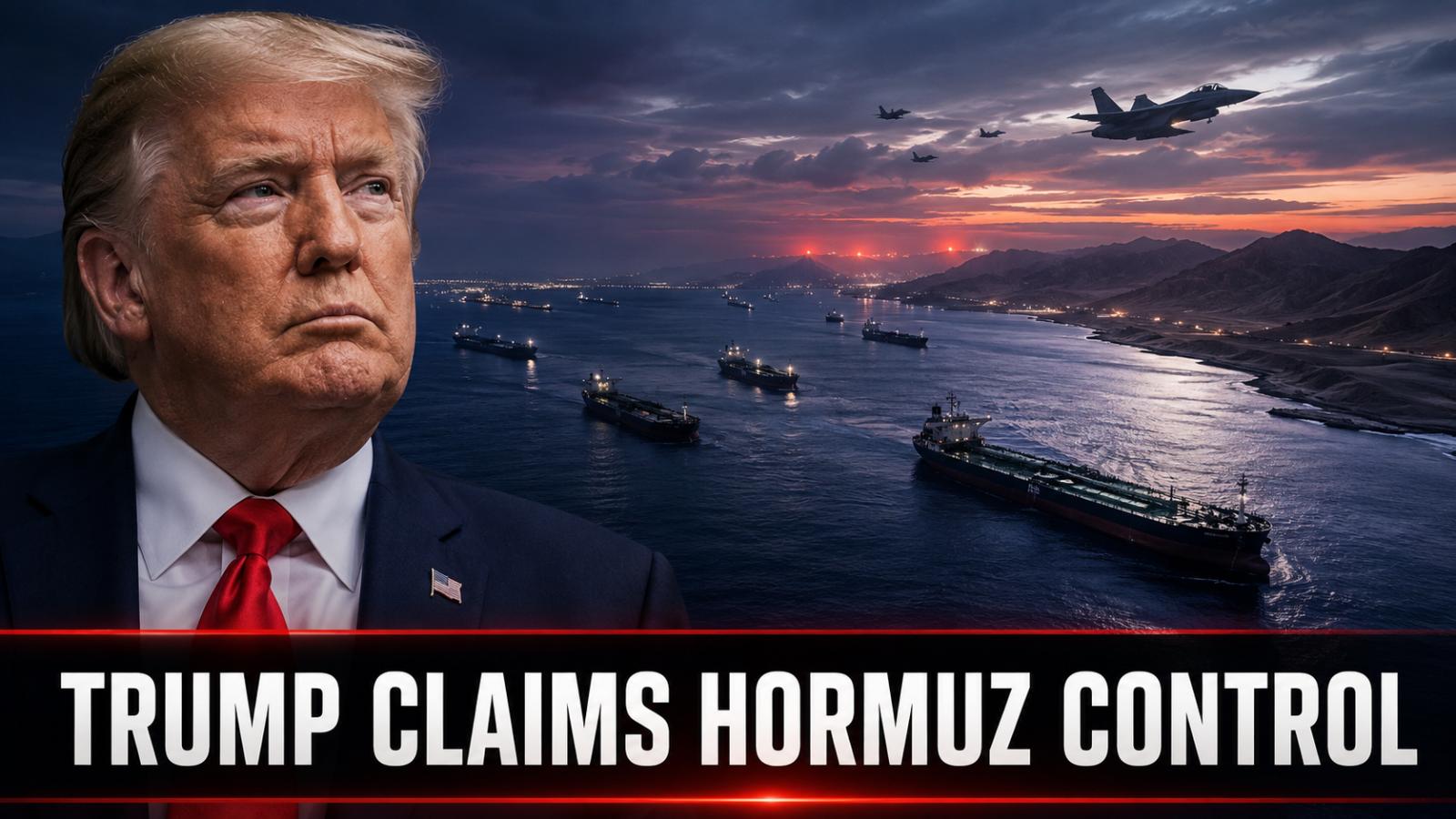
The differing claims have created fresh uncertainty over the proposed understanding between Washington and Tehran. The draft memorandum reportedly covers several major issues, including Iran’s nuclear programme, the Strait of Hormuz, oil sanctions waivers, and the possible release of frozen Iranian assets.
Frozen assets refer to Iranian funds blocked abroad because of sanctions. Their release has become one of Tehran’s biggest demands in any deal with Washington.
Frozen Assets Become Key Issue
According to the Iranian account, one version of the draft says the United States would allow the release of up to $25 billion in frozen Iranian assets. The funds would reportedly include direct transfers, regional cooperation, and financial credit lines.
Iranian media also said that the release of financial assets would begin after a 14-point memorandum of understanding is signed. The report added that the lifting of the US naval blockade was placed as one of the first items in the document, while Iran’s nuclear programme would move to a second phase of talks.
US Denies Upfront Fund Release
The US side has rejected reports that Washington has agreed to release frozen funds before Iran meets its commitments. US officials have described the proposed arrangement as a “pay-for-performance” deal.
Under this position, Iran would not get access to frozen funds unconditionally. Any financial relief would depend on Tehran's implementing the agreed steps during the negotiation process.
60-Day Talks May Decide Final Deal
The draft agreement is expected to be discussed further during a 60-day negotiation period after both sides agree to the memorandum. This means that the current understanding is not yet a final settlement, but rather a framework for further discussions.
The next phase is likely to focus on how sanctions relief, frozen funds, and nuclear commitments will be handled. The Strait of Hormuz and oil-related waivers are also expected to remain important parts of the discussions.
Why This Matters
The frozen assets dispute indicates that the proposed US-Iran deal remains fragile, despite Trump’s announcement. For Iran, access to frozen funds is a major economic demand. For the United States, any release of money is being linked to Iran’s compliance.
Until both sides confirm the final terms, the agreement is likely to face political and diplomatic pressure. The coming 60 days will be important in deciding whether the draft deal moves forward or gets delayed by disputes over money, sanctions, and nuclear commitments.