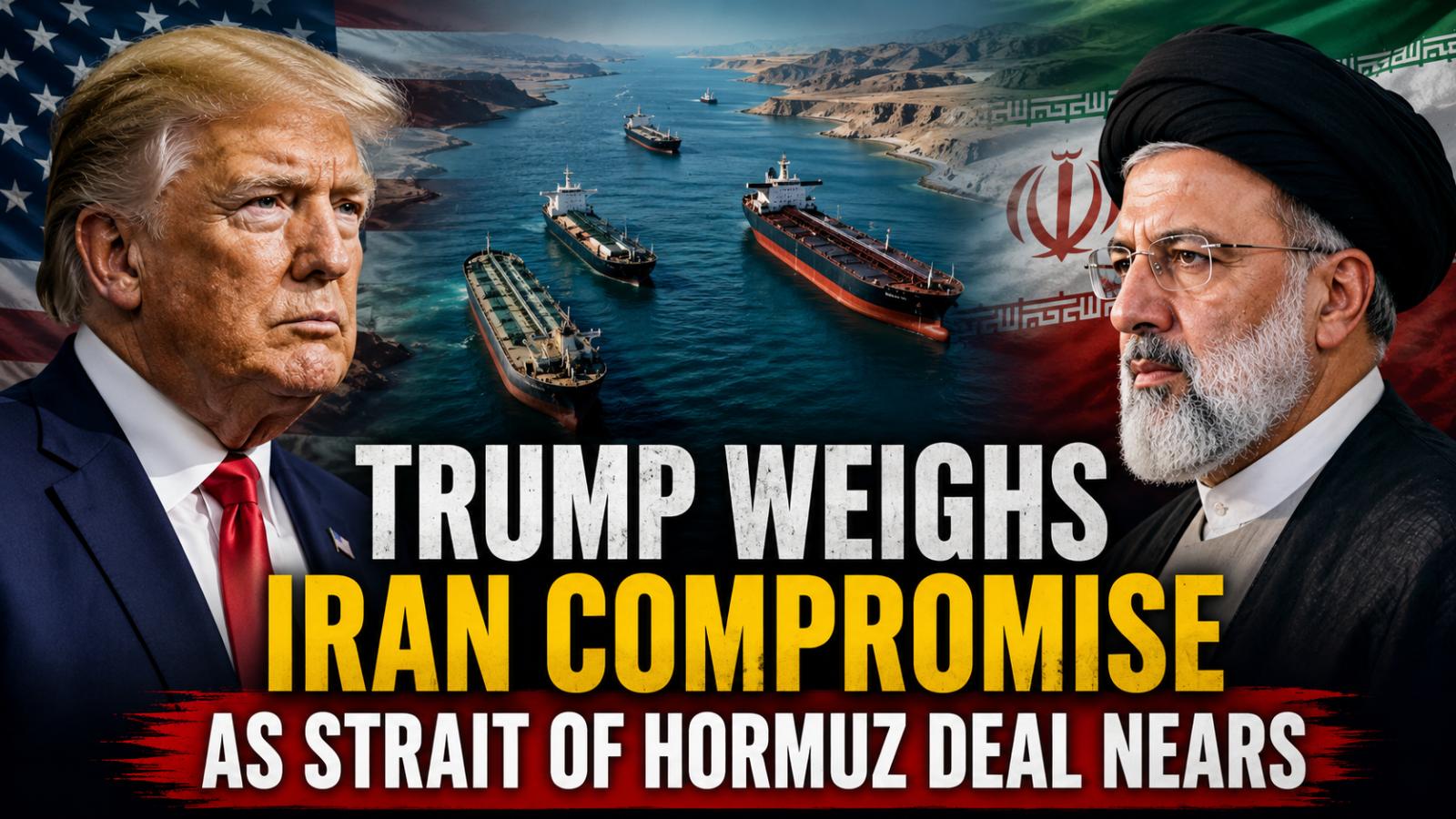

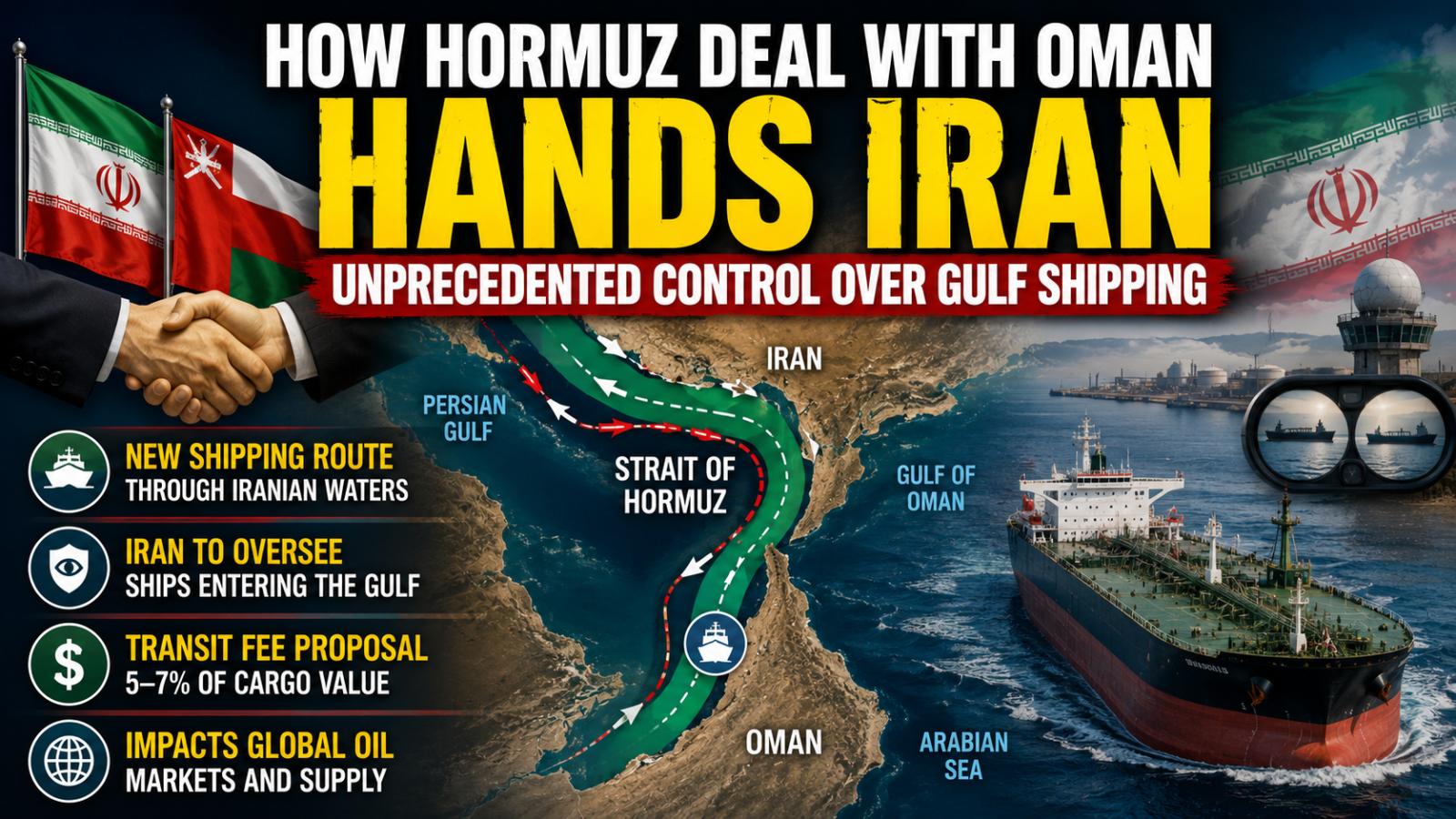
Iran and Oman have agreed on coordinates for a proposed Strait of Hormuz route that could give Tehran oversight of ships entering the Gulf. The framework could reshape global energy shipping, but inspection powers, transit payments and outbound vessel controls remain unresolved.
Iran-Oman Hormuz Route Reaches Crucial Stage
Iran and Oman have reached an understanding on the geographical coordinates of a proposed shipping route through the Strait of Hormuz, marking significant progress in negotiations over one of the world’s most important maritime corridors.
Iranian Foreign Ministry spokesperson Esmaeil Baghaei said Tehran and Muscat were preparing a joint announcement, although operational and political details had not been finalised. The arrangement is therefore a proposed framework rather than a completed agreement.
The strait connects the Persian Gulf with the Gulf of Oman and the Arabian Sea. At its narrowest point, it is approximately 33 kilometres wide, with internationally recognised inbound and outbound shipping lanes only about three kilometres wide in each direction. Around one-fifth of global oil and liquefied natural gas flows traditionally pass through the waterway.
Iran Could Oversee Ships Entering The Gulf
Under proposals reported during the negotiations, inbound vessels would use a route passing largely through Iranian territorial waters. Iran would consequently gain oversight of ships entering the Gulf, potentially including the ability to coordinate, monitor or inspect maritime traffic.
Outbound vessels are expected to use a route closer to Oman, although Iran has reportedly sought visibility over departing ships and the ability to intervene in certain circumstances. The exact division of authority between Tehran and Muscat remains a central negotiating issue.
If implemented, the arrangement would represent a major change from the pre-conflict system, under which commercial vessels normally used internationally recognised lanes without requiring routine permission from one country.
Hormuz Fees And Inspections Remain Unresolved
Transit payments are among the biggest obstacles. Iran has reportedly sought charges equal to 5% to 7% of cargo value, while Oman has discussed a lower rate of around 3%. Washington has opposed compulsory fees and wants commercial passage to remain free.
Negotiators have considered voluntary payments for security, environmental or navigational services. However, shipping companies could still feel pressure to pay to avoid delays or security complications. Gulf states are also seeking regional supervision of inspections instead of allowing Iran to exercise sole authority.
The initial arrangement could operate temporarily for about two months, with the possibility of an extension. Previous understandings have broken down over disagreements about control, enforcement and US commitments, leaving the latest proposal vulnerable to renewed political or military tensions.
Gulf Shipping Deal Could Shift Regional Power
Control over inbound traffic would give Iran significant strategic leverage over Gulf economies and international energy markets. Even limited delays, inspections or payment disputes could raise shipping costs, war-risk insurance premiums and global oil prices.
Shipping traffic through Hormuz has remained far below normal levels during the conflict, with only a small number of vessels using the Iranian route on some days. A lasting deal would be measured not only by political announcements but also by increased vessel movements, resumed cargo flows and lower insurance costs.
For now, Iran and Oman have agreed on where a new route could run, but not on every rule governing it. Until inspection authority, outbound oversight, transit charges and security guarantees are settled, the Hormuz plan remains a potentially historic but unfinished agreement.