

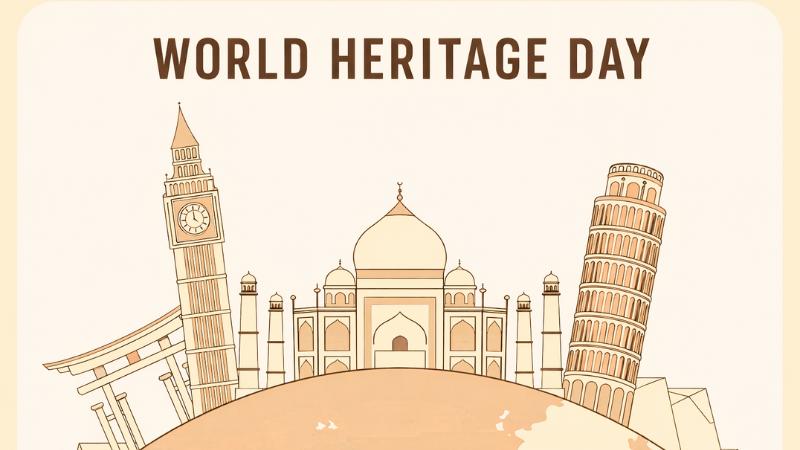
Every year on April 18, the world observes World Heritage Day, a global initiative that highlights the importance of preserving cultural and historical heritage. The day serves as a reminder of the rich legacy passed down through generations and the shared responsibility to protect it for the future.
What is World Heritage Day?
World Heritage Day, also known as the International Day for Monuments and Sites, was established in 1982 by the International Council on Monuments and Sites and later approved by UNESCO. It aims to raise awareness about the diversity of cultural heritage across the globe and the need to safeguard monuments, archaeological sites, and traditions that define human history.
Theme for 2026
The theme for 2026, “Emergency Response for Living Heritage in Contexts of Conflicts and Disasters” highlights the urgent need to protect heritage sites facing threats from wars, climate change, and natural disasters. Heritage is not limited to monuments—it also includes traditions, practices, and cultural expressions that shape a community’s identity and continuity.
Why Preservation Matters
From iconic landmarks like the Taj Mahal to historic sites such as the Ajanta Caves, heritage reflects the diversity and history of human civilisation. However, rapid urbanisation, pollution, climate change, and conflicts continue to threaten these treasures, making preservation efforts more important than ever.
World Heritage Day is not just about celebrating the past—it’s about protecting it for the future. Simple actions like respecting monuments, spreading awareness, and supporting conservation initiatives can make a meaningful difference. As global citizens, safeguarding our cultural and historical heritage is a responsibility we all share.