
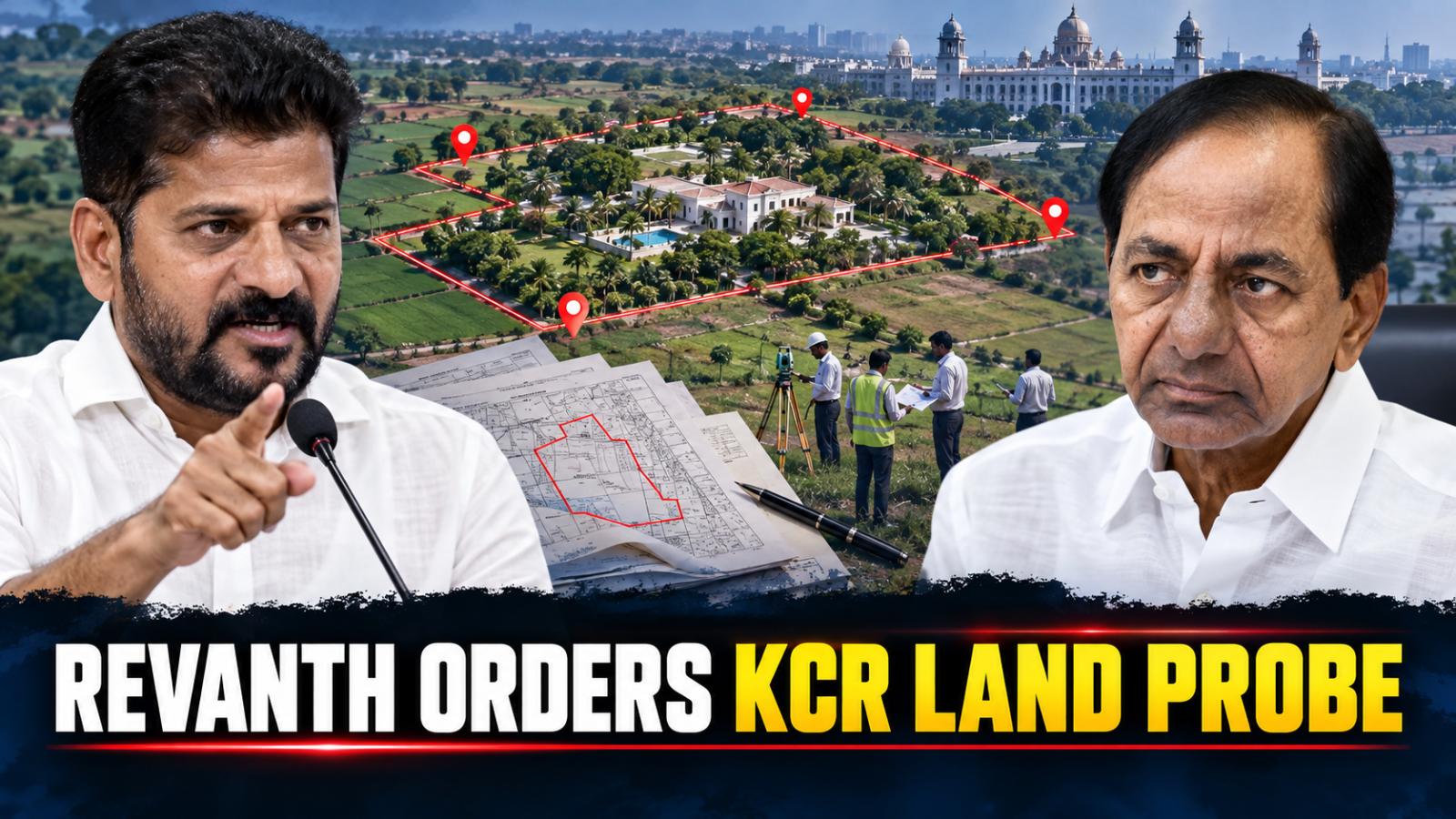
A Telangana Assembly debate over properties included in the prohibited lands list under Section 22-A of the Registration Act has developed into a major political controversy involving former Chief Minister K. Chandrashekar Rao and his family.
Chief Minister A. Revanth Reddy used the September 16 discussion to question landholdings linked to members and relatives of the KCR family. He argued that if the Opposition wanted scrutiny of prohibited land records, properties accumulated by leaders associated with the previous BRS government should also be examined. Revanth told the Assembly that KCR and his wife, Shobha, held approximately 67 acres. He placed the combined landholdings attributed to KCR’s family and relatives at nearly 439 acres across nine districts, 24 mandals and 31 villages.
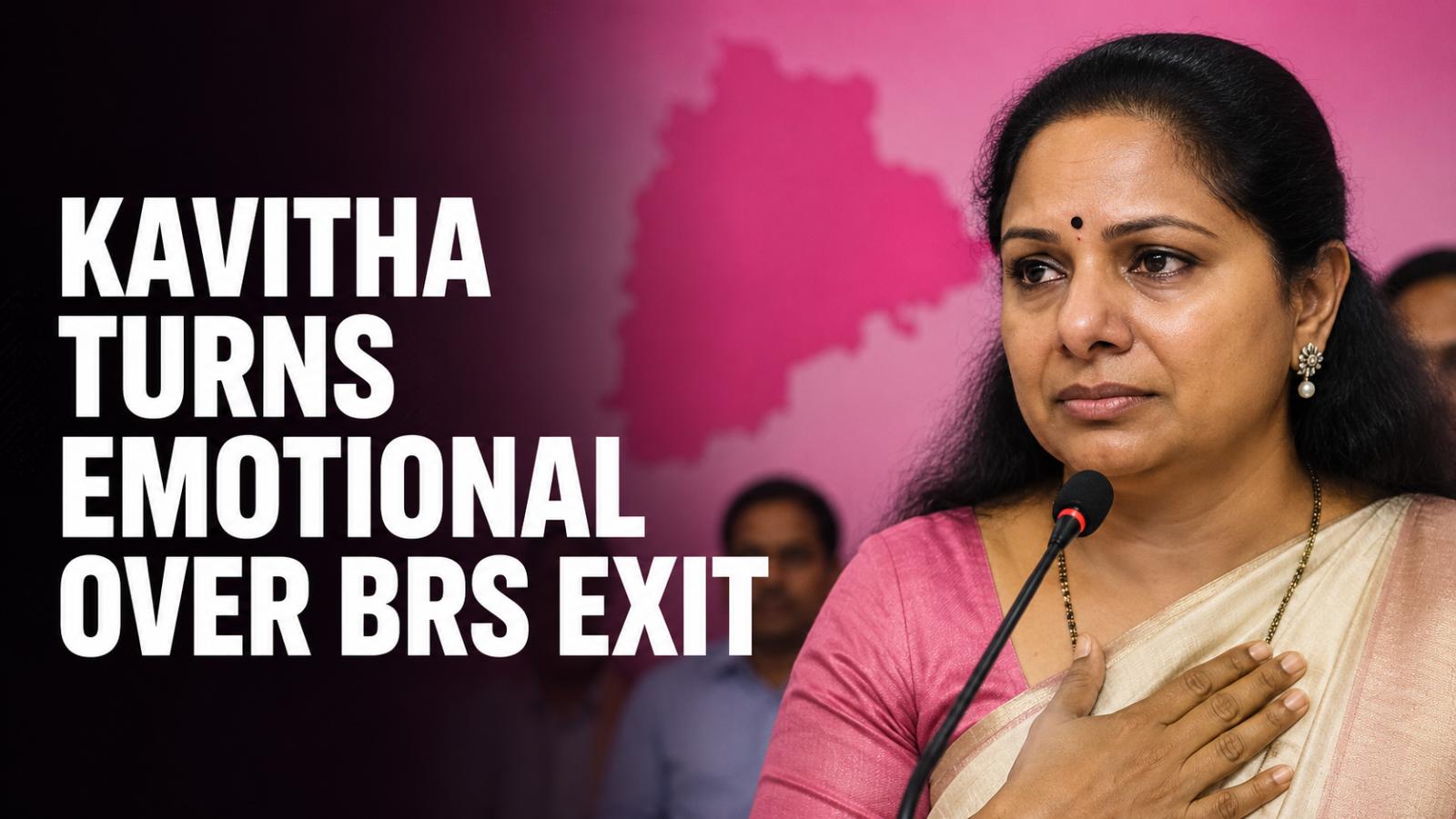
The total included about 123 acres attributed to K.T. Rama Rao’s family, 37 acres linked to K. Kavitha and her husband, and 30 acres attributed to former minister T. Harish Rao and his wife. The 439-acre figure does not mean that KCR personally owns the entire extent. It is an aggregate figure covering several family members and relatives, based on claims presented by Revanth in the Assembly.
The most serious allegation concerns the land surrounding KCR’s farmhouse at Erravalli in Siddipet district. Revanth claimed that the property associated with the farmhouse extended across approximately 700 acres.
He alleged that nearly 295 acres were involved in a boundary dispute and that another 388 acres of government land may have become part of the farmhouse area. These figures remain allegations and have not yet been established through an official finding. Revanth directed Revenue Department officials to issue notice to KCR and conduct a comprehensive investigation into the ownership, classification and extent of the land. The officials were asked to complete the inquiry and submit their findings within 30 days.
The Chief Minister said the government would recover the property if the inquiry establishes that public land was illegally occupied. He proposed distributing any recovered land among nearly 800 Dalit families, with approximately half an acre for each family. Revanth also raised questions about KTR’s Janwada property, including its previous ownership and later transactions. Those claims will similarly require verification through registration documents, revenue records and transaction details.
The acreage cited during the Assembly debate does not by itself prove a violation of Telangana’s agricultural land-ceiling law. The permissible limit is not a single flat acreage for every property. It depends on land classification, the concept of a standard holding and rules governing family units under the Telangana Land Reforms Act. The BRS has rejected the Congress government’s allegations and demanded an independent investigation covering political leaders from both the previous and current administrations.
Harish Rao said his properties had been disclosed through election affidavits and income-tax returns. He called for a judicial inquiry led by a sitting Supreme Court or High Court judge into land transactions involving both BRS and Congress leaders. Kavitha said she would surrender any land found to be in her possession beyond what was permitted or declared. She also demanded that the investigation cover every individual named during the Assembly discussion.
The controversy has therefore moved beyond the original debate over Section 22-A. The principal questions are whether any family member exceeded the applicable land-ceiling limit and whether the government can establish ownership of the alleged 388 acres around the Erravalli farmhouse. Those questions can be answered only through land surveys, title documents, registration records and the Revenue Department’s inquiry. Until the investigation is completed, the disputed acreage and government-land claims remain political allegations rather than proven findings.