
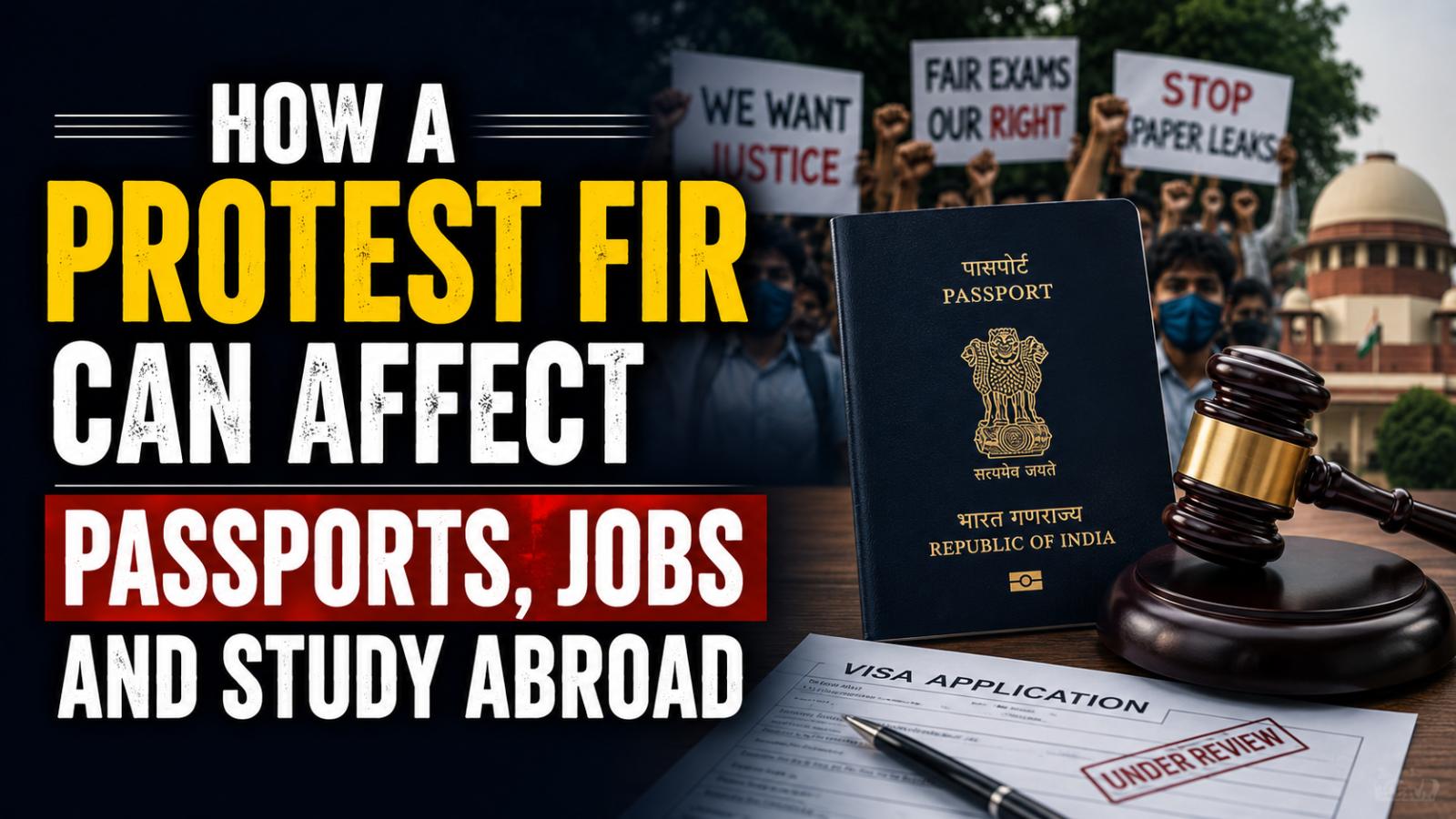
Students joining peaceful demonstrations may not always consider how a police complaint could affect their future. An FIR does not establish guilt, but legal experts say it can still create problems during passport verification, overseas visa processing, employment checks and admission to foreign universities.
This concern became visible during student demonstrations at Jantar Mantar in New Delhi. Several protesters covered their faces with masks and glasses because they feared being identified by AI-based facial recognition systems. They said the intention was not to conceal illegal activity but to avoid being linked to police records that could later affect their education or employment.
The demonstrations were connected to allegations of irregularities in the NEET-UG examination. Students said they were demanding accountability and changes in the education system. Police argued that surveillance was necessary to identify people with criminal records and prevent unrest. Protesters and civil-rights advocates, however, questioned whether large-scale monitoring violated privacy.
FIR effect on passport application
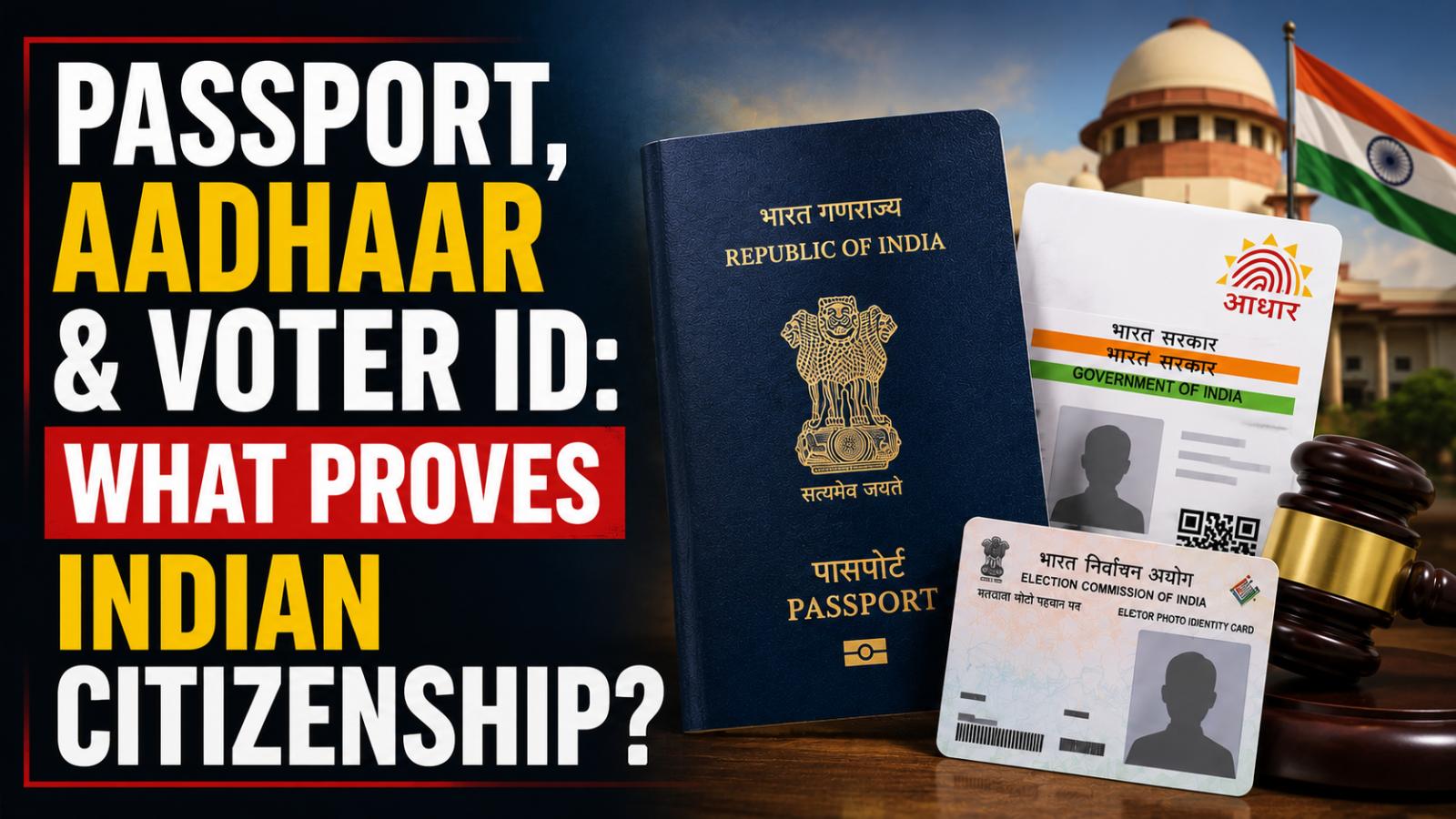
Indian courts have held that an FIR alone should not automatically prevent a person from receiving a passport. Under the Passports Act, refusal may be considered when criminal proceedings are pending before a court. A police complaint or investigation generally does not reach that stage until a charge sheet is filed and the court formally takes cognisance.
The legal position may appear clear, but the administrative process can still become difficult. Police verification may reveal an FIR, prompting passport officials to seek more documents or a No Objection Certificate from a court. This can delay approval, renewal or reissue even when the applicant has not been convicted.
Applicants may also need to disclose pending or previous cases on passport, visa and job forms. In some situations, that obligation may remain even after the FIR is closed or the person is acquitted. Hiding the information when disclosure is specifically required can create an additional legal or procedural problem.
Student visa criminal background checks
Visa authorities and universities in countries such as the United States, Canada, the United Kingdom and Australia may ask applicants about arrests, pending charges and previous criminal proceedings. A peaceful protest-related FIR may not result in automatic rejection, but it can lead to additional scrutiny.
Universities may request court orders, legal explanations or proof that the case has been closed, stayed or resolved. Admissions can also be delayed while authorities assess the seriousness of the matter. Cases involving violence, drugs or other serious allegations are likely to create much greater obstacles than a minor protest-related complaint.
Employment opportunities can also be affected. Government bodies, contractors, consulting firms and organisations working on public projects often conduct detailed background verification. Private companies may do the same for regulated, security-sensitive or senior roles. Although an FIR is not proof of wrongdoing, a pending case may still result in questions, extra documentation or delayed hiring.
Students and first-time protesters should understand that peaceful protest is a democratic right, but legal consequences cannot be ignored. They should verify whether the demonstration has permission, inform family or friends before attending and seek legal assistance if detained.
The central point is simple: an FIR is not a conviction and should not automatically end a student’s career. However, police records, disclosure requirements, passport checks and visa procedures can still create real and lasting complications.