








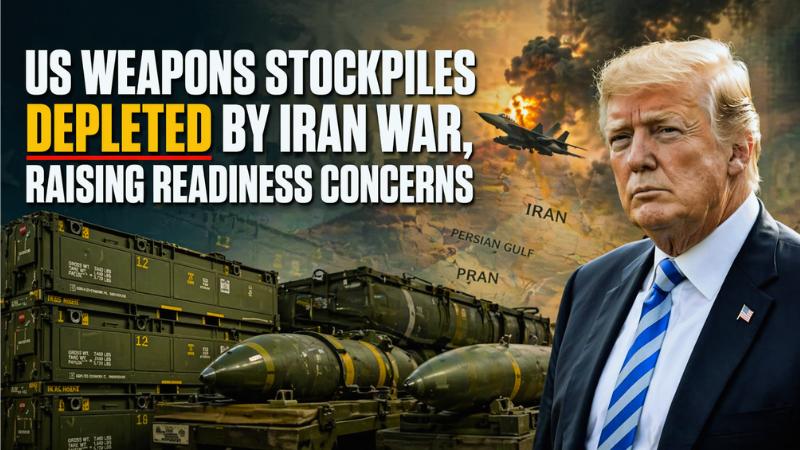
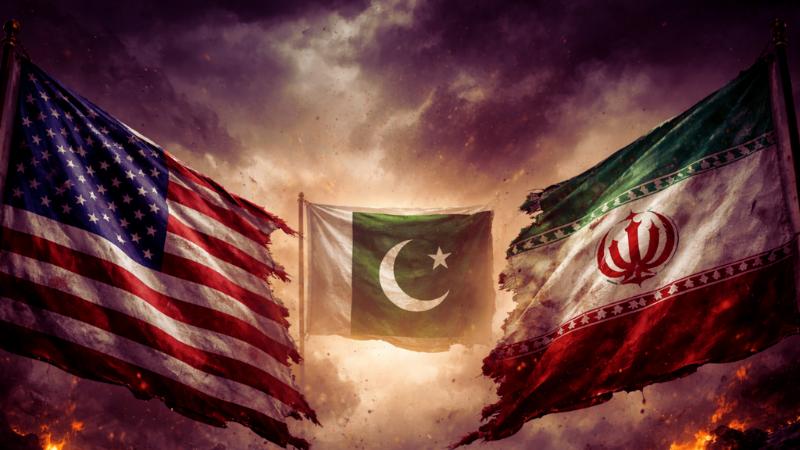











The ongoing conflict involving the United States in Iran has exposed a growing strain on America’s military resources, with reports pointing to a rapid depletion of high-end munitions. The intensity of operations has forced the US to draw heavily from stockpiles originally reserved for potential conflicts with major global powers, raising concerns about long-term defence readiness. Estimates indicate that large quantities of advanced weapons—including long-range cruise missiles and missile defence systems—have been deployed during the conflict. Thousands of precision-guided munitions have reportedly been used, far exceeding typical annual production levels. This surge has created a widening gap between consumption and replenishment, highlighting pressure on the defence supply chain. The financial burden of the conflict has also been significant, with overall costs running into tens of billions of dollars. Analysts suggest that the pace of spending, combined with high weapon usage, could take years to stabilise, particularly given existing production constraints within the defence industry. Beyond munitions, the conflict has led to the loss and wear of key military equipment during operations, further adding to the strain. The diversion of resources from other strategic regions has also raised concerns about the US military’s global preparedness, especially in areas such as Europe and the Indo-Pacific. Experts warn that rebuilding stockpiles will require expanded manufacturing capacity and sustained funding commitments. The situation has also intensified discussions around the need for more cost-effective, scalable defence solutions to support prolonged military engagements. While US officials maintain that the military remains fully capable, the conflict has underscored the challenges of sustaining high-intensity warfare over extended periods. The pressure on critical resources and production systems could have broader strategic implications going forward.
China has broken its silence on the escalating Iran crisis, issuing a sharp warning against what it called a return to the “law of the jungle” amid mounting pressure from the United States. After weeks of maintaining a cautious and restrained stance, Beijing has now openly criticised Washington’s actions, signalling a noticeable shift in tone and approach. The change came after the United States moved to impose a naval blockade targeting Iran’s oil exports. China’s Foreign
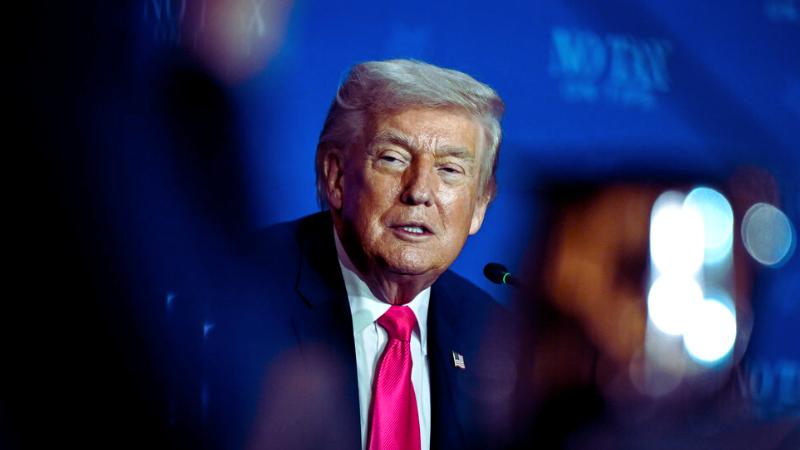
A potential breakthrough in talks between the United States and Iran has hit uncertainty after public remarks and social media posts by Donald Trump. Negotiations aimed at ending weeks of conflict had reportedly brought both sides close to a framework agreement through backchannel diplomacy. However, Trump’s public statements about the progress of t
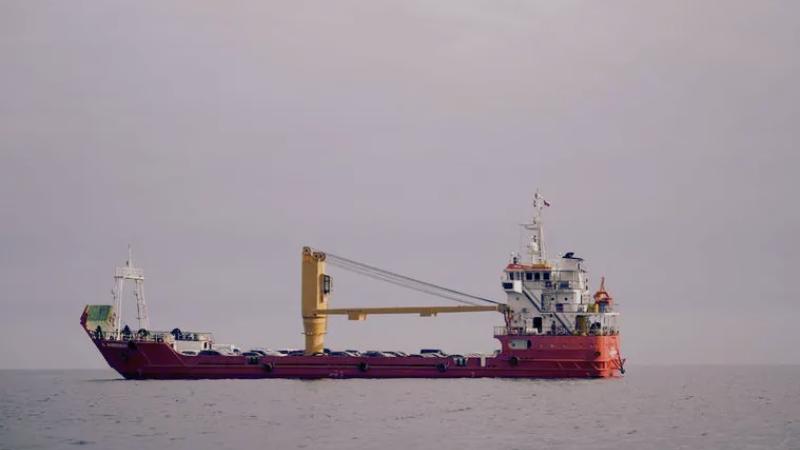
Former U.S. ambassador Nikki Haley has made a strong claim regarding a recently seized Iranian vessel, alleging that it was carrying missile-related chemical shipments originating from China. According to her statement, the ship was intercepted by the United States in the Gulf region after reportedly refusing orders to stop. Haley stated that the vessel was travelling from China to Iran and was linked to materials that could potentially be used in missile production. She also warned
Rising tensions between Iran and the United States are creating fresh economic and diplomatic challenges for
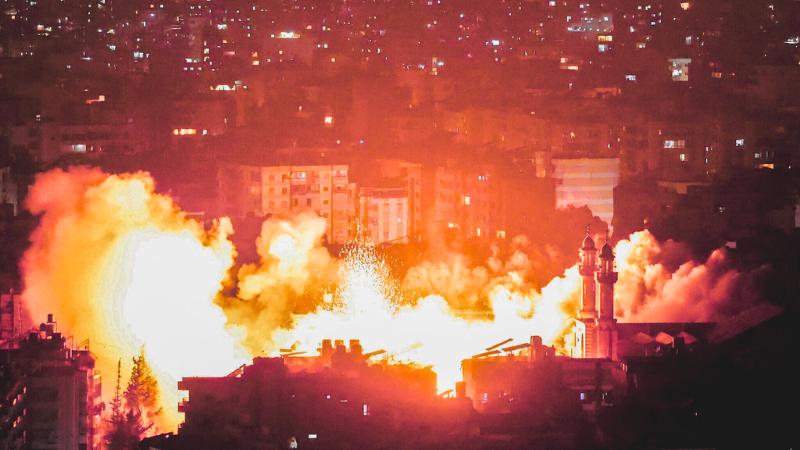
A 10-day ceasefire between Israel and Lebanon came into effect on Friday, aiming to pause weeks of intense fighting involving Israel and the Hezbollah militant group. The truce is also seen as a step toward easing wider regional tensions involving Iran and the United States. However, soon after the ceasefire began, Lebanon’s army accused Israel of carrying out “acts of aggression,” calling them violations of the agreement. Lebanese reports claimed that Israeli shelling hit sou
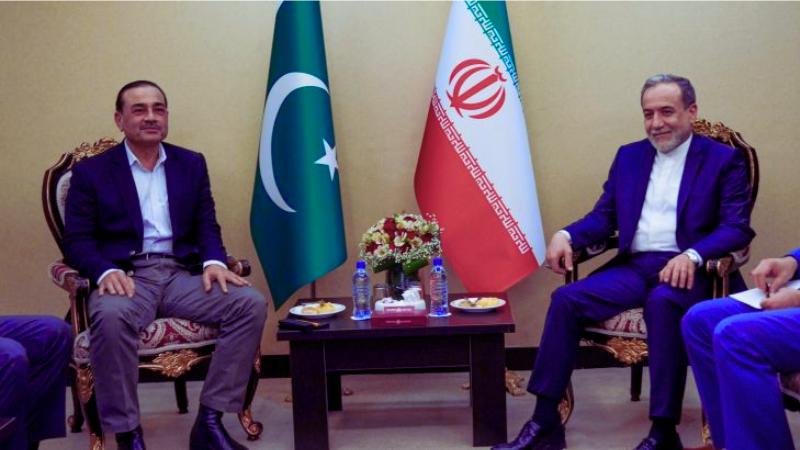
Tensions in the Middle East remain high as Asim Munir is set to visit Washington following his diplomatic mission in Tehran. His outreach is aimed at easing tensions between the United States and Iran amid the ongoing regional co
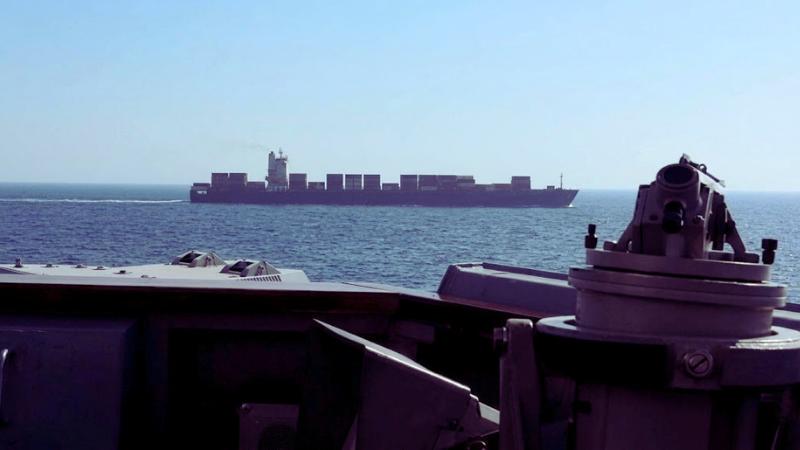
Iran has signaled a shift in its approach to the Strait of Hormuz during ongoing talks with the United States, proposing safe passage for ships through the Omani side of the strategic waterway. The move suggests a potential de-escalation after weeks of hardline rhetoric from Tehran. The development comes amid heightened tensions, with the U.S. military reportedly imposing restrictions on Iranian ports, disrupting global oil and LNG shipping. Against this backdrop, Iran’s proposal
Mandatory military service, or conscription, is still enforced in many countries worldwide, especially those facing security threats or with smaller populations. In contrast to voluntary military services like those in India or the United States, several nations require citizens to serve in the armed forces for a set period. Countries such as South Korea and Israel have long-standing conscription systems, with men required to serve between 18 to 21 months in South Korea and both men
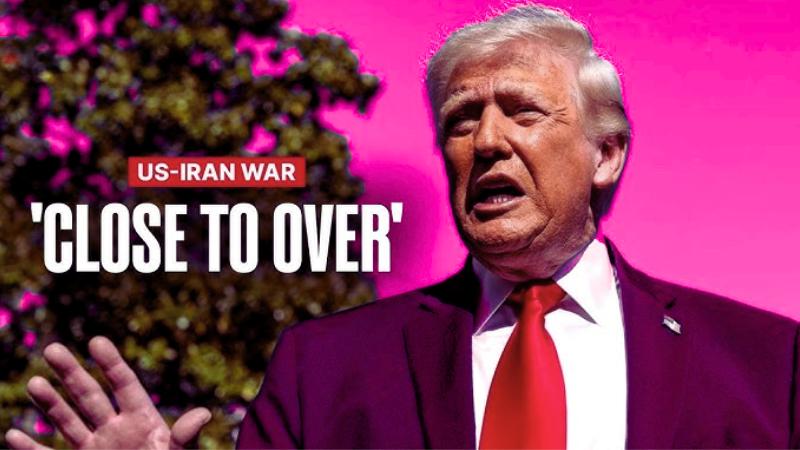
Donald Trump has said the conflict between the United States and Iran is “very close to being over,” while stressing that military operations are still ongoing. Speaking in a recent interview, Trump noted that despite signs o
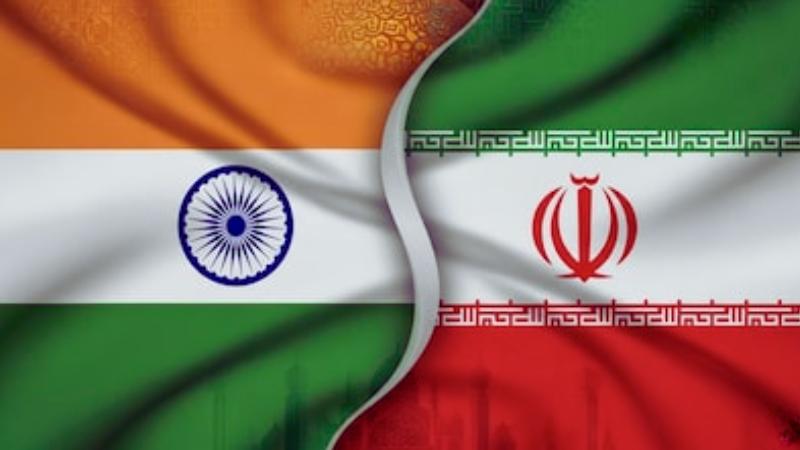
A social media post by the Consulate General of the Islamic Republic of Iran in Mumbai has gone viral after it shared a message praising India, drawing widespread attention online. The consulate reposted content on X (f
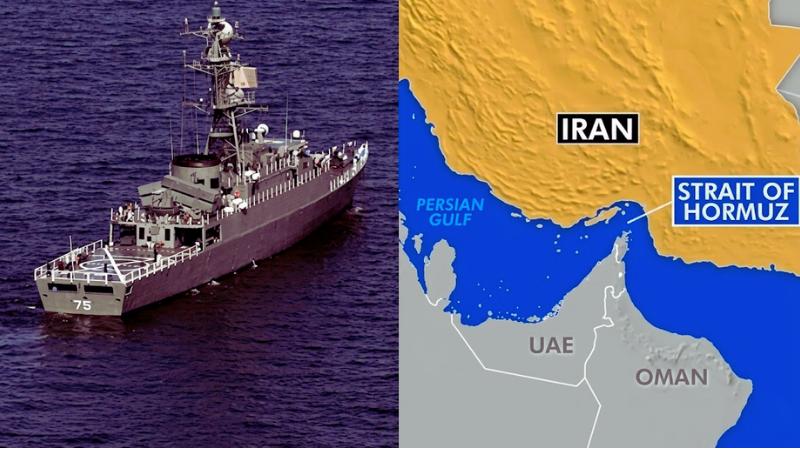
The United States and Iran appear to be heading toward heightened tensions near the Strait of Hormuz
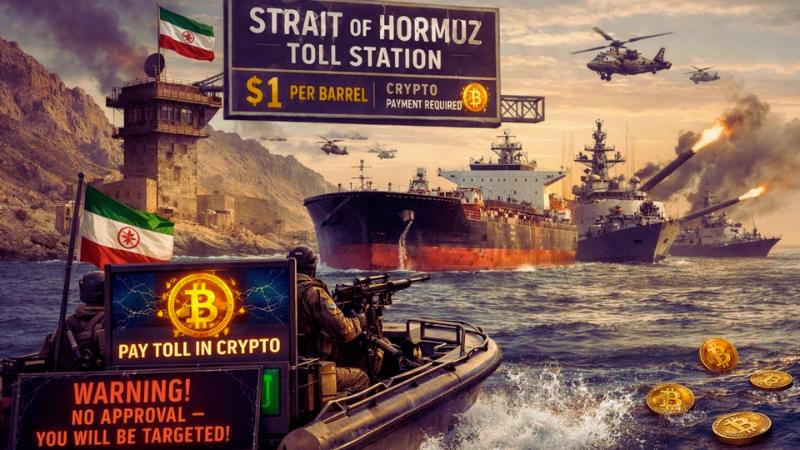
Iran has announced plans to impose a $1-per-barrel toll on oil tankers passing through the Strait of Hormuz, with payments to be made in cryptocurrency. Under the proposed system, vessels will be required to share cargo details electronically, following which authorities will calculate the applicable toll. The payments are expected to be settled in di
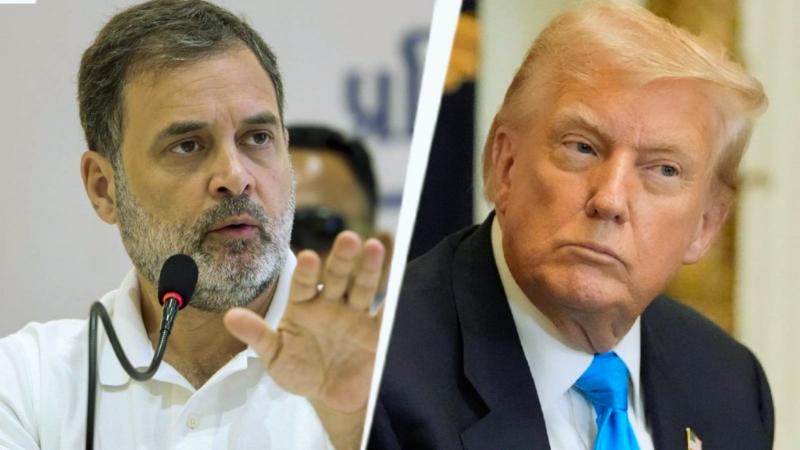
Congress leader Rahul Gandhi strongly condemned the rhetoric of U.S. President Donald Trump regarding the potential destruction of civilization in the event of a conflict with
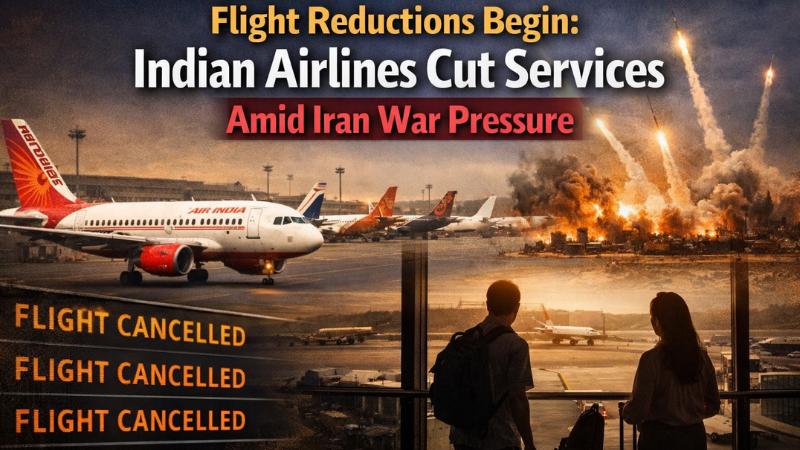
Indian airlines are reducing their operations by approximately 10% in response to rising costs and uncertainty stemming from the ongoing Iran conflict. The Directorate General of Civil Aviation (DGCA) has released the summer schedule, which shows a reduction in the number of weekly domestic flights from 25,610 to 23,049. This cut affects several airlines, including Air India, IndiGo, SpiceJet, and Akasa Air. The primary reason for the flight reduction is the impact of the Middle Eas