
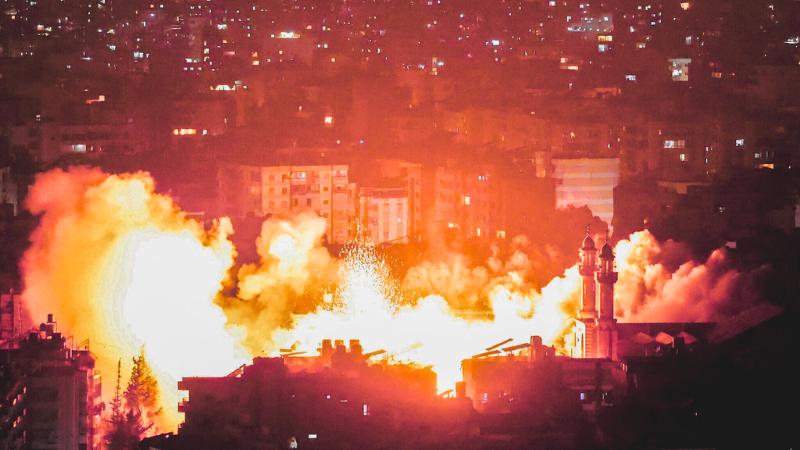
A 10-day ceasefire between Israel and Lebanon came into effect on Friday, aiming to pause weeks of intense fighting involving Israel and the Hezbollah militant group. The truce is also seen as a step toward easing wider regional tensions involving Iran and the United States.
However, soon after the ceasefire began, Lebanon’s army accused Israel of carrying out “acts of aggression,” calling them violations of the agreement. Lebanese reports claimed that Israeli shelling hit southern villages, including Khiam and Dibbine, within minutes of the truce taking effect. The Lebanese army has urged residents to exercise caution and delay returning to their homes in affected areas, citing ongoing security risks. Israel’s military said it is reviewing the allegations. The situation remains uncertain, with Hezbollah stating that its commitment to the ceasefire depends on Israel fully halting hostilities.
Rising Humanitarian Concerns
The conflict has taken a severe toll on civilians. Lebanon’s National News Agency reports that more than 2,100 people have been killed and over 7,000 injured in recent weeks. Millions have also been displaced due to continued airstrikes and ground operations. Humanitarian organisations have welcomed the ceasefire, calling it a critical opportunity to deliver aid, protect civilians, and push toward lasting peace in the region.
Global Reactions and Developments
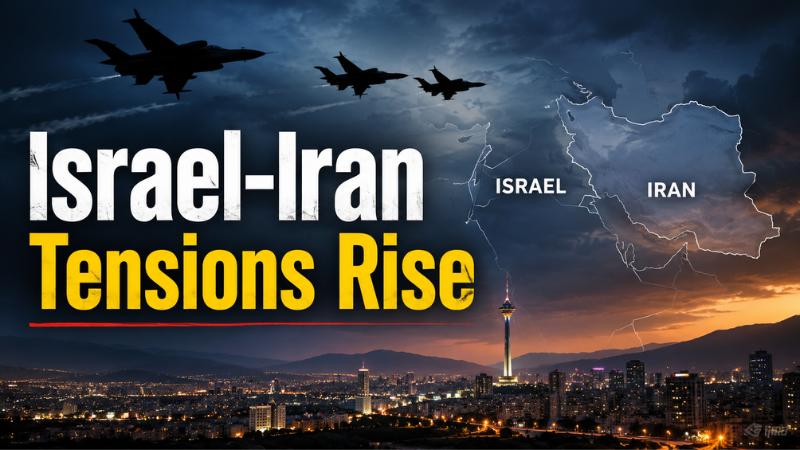
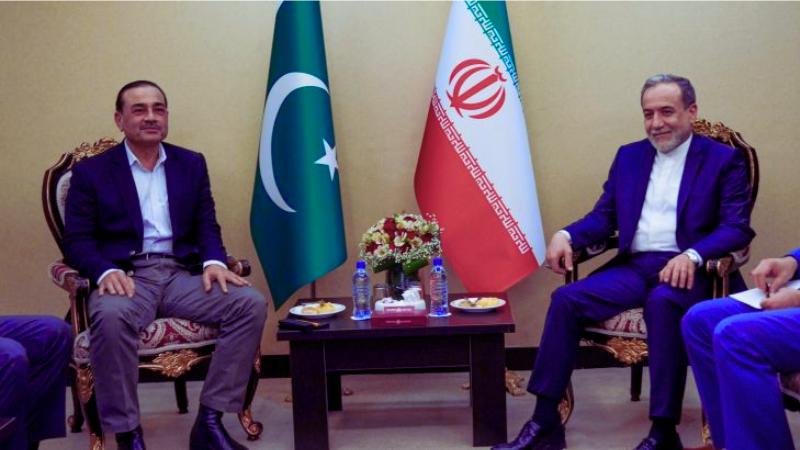
International reactions to the ceasefire have been largely positive, with several countries and organisations describing it as an important step toward regional stability. Diplomatic efforts continue to address the broader conflict. The United States has indicated that talks with Iran could resume soon, raising hopes for a more comprehensive peace deal. Despite the ceasefire, tensions remain high, and the situation on the ground continues to evolve as both sides closely monitor developments.