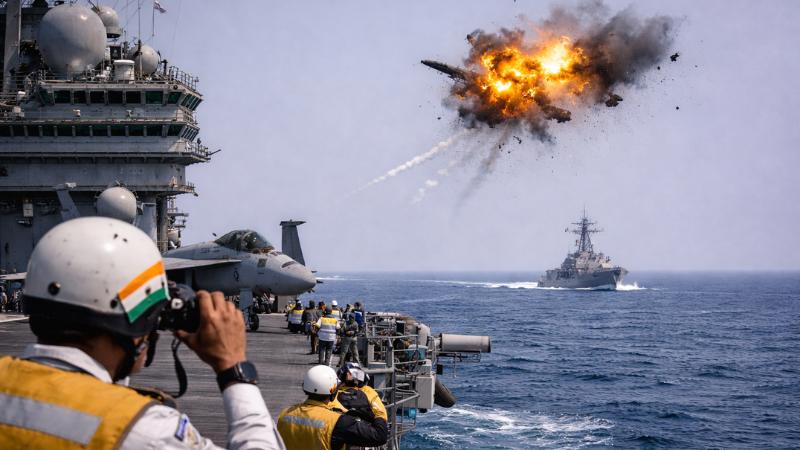

India granted docking permission to Iranian naval vessels after their participation in multinational maritime events earlier this year, even as regional tensions escalated following a United States submarine strike that sank one of the ships near Sri Lanka. The Iranian vessels IRIS Lavan, IRIS Bushehr and IRIS Dena had taken part in the Milan 2026 multilateral naval exercise and the International Fleet Review held in Visakhapatnam in February. These events, which brought together navies from dozens of countries, were aimed at strengthening maritime cooperation and security across the Indian Ocean region.
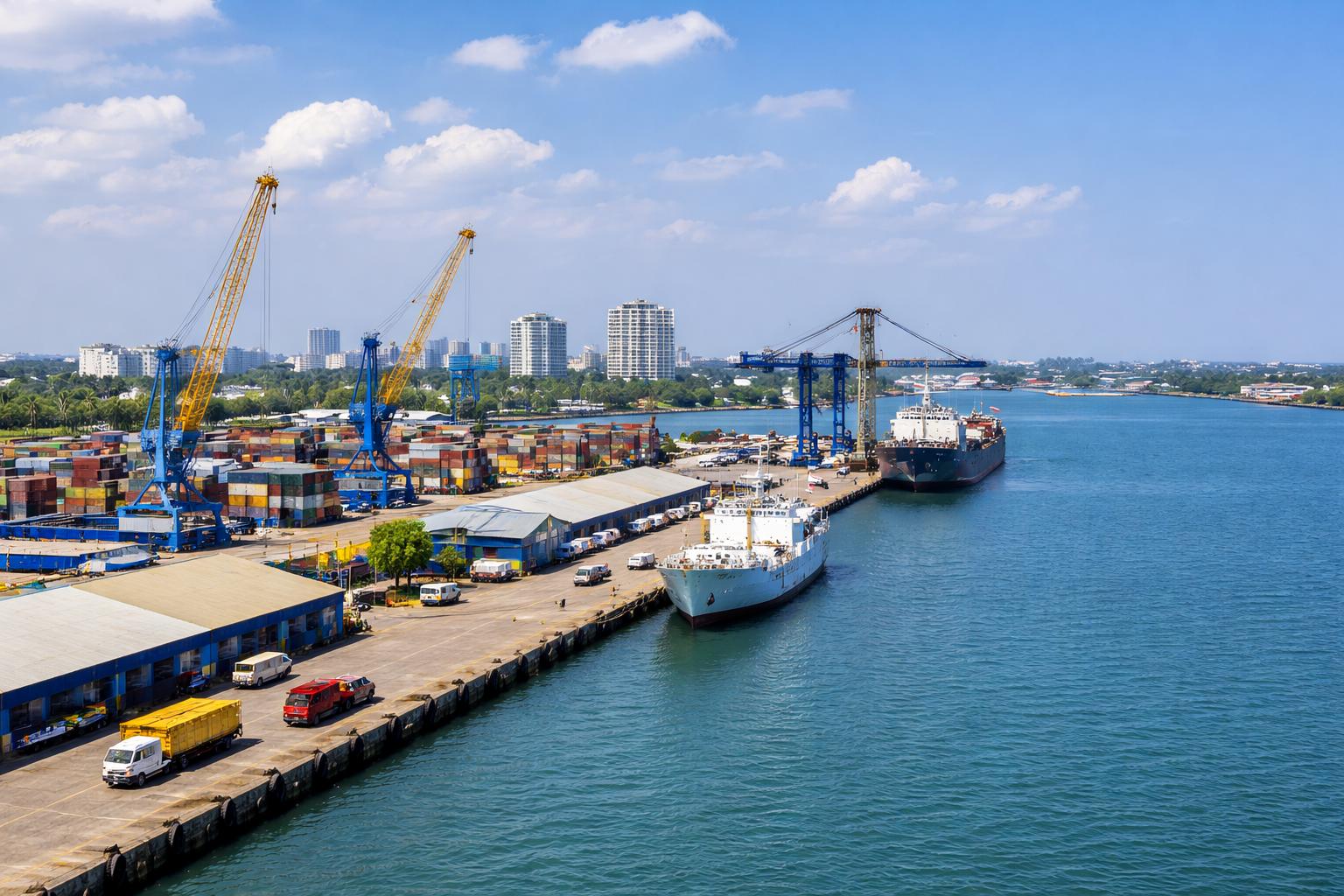
Following the completion of the exercises, Tehran requested permission for port calls and logistical assistance as the ships prepared to return to Iran. Indian authorities approved the request on 1 March, allowing the vessels to access facilities if needed during their journey home. However, only the amphibious ship IRIS Lavan reached Kochi on India’s southern coast, docking on 4 March after reporting technical issues that prompted a humanitarian request for assistance. The vessel’s crew of 183 sailors, including cadets, were accommodated at Indian naval facilities while the ship remained in port.
India’s External Affairs Minister described the decision to allow docking as a humanitarian gesture and said it reflected the longstanding diplomatic ties between India and Iran. Meanwhile, the other two Iranian vessels continued sailing towards Sri Lanka after leaving the fleet review.
The situation changed dramatically on 4 March when the Iranian frigate IRIS Dena was struck by a torpedo fired from a US Navy submarine in international waters off Sri Lanka’s southern coast. The vessel sank shortly after the attack, resulting in heavy casualties among the roughly 180 personnel onboard, while rescue teams recovered survivors during emergency operations. (Wikipedia)
The accompanying supply ship IRIS Bushehr later reported technical issues and moved into Sri Lankan waters for assistance amid growing concerns over the widening Iran-US confrontation. Sri Lankan authorities took control of the vessel and transferred more than 200 crew members ashore, while the ship remained anchored at the port of Trincomalee under the supervision of the Sri Lankan navy.
The developments have drawn significant attention across the region, highlighting how a routine multinational naval exercise hosted by India became linked to a rapidly escalating geopolitical situation in the Indian Ocean. India’s role in providing humanitarian assistance and supporting maritime safety operations underscores its effort to maintain stability and cooperation in increasingly sensitive regional waters.