
Cyclone Threat After Arnab Raises Concerns
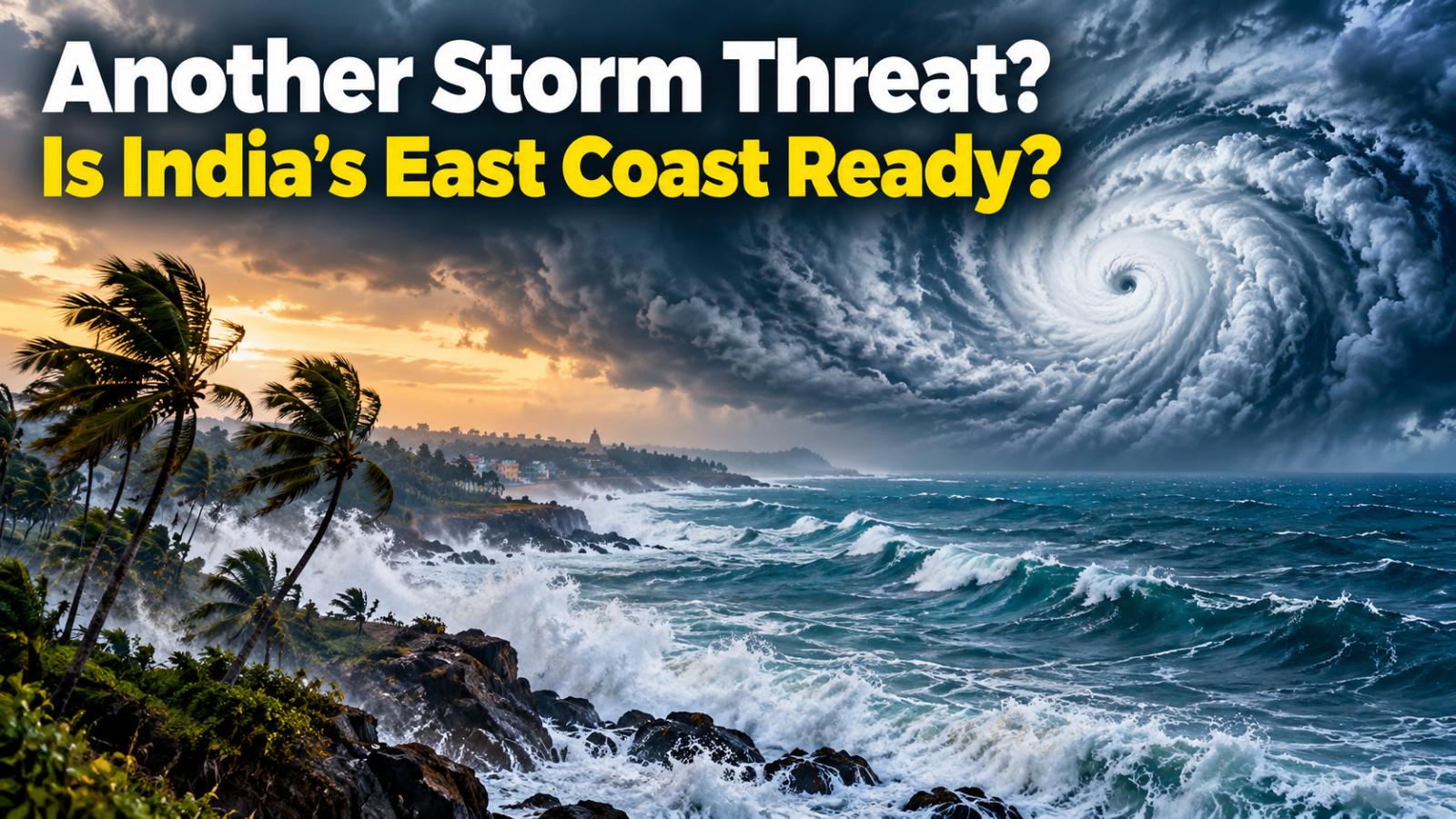
A fresh weather system threatening Andhra Pradesh less than a week after Cyclone Arnab has put India’s east coast preparedness under scrutiny. The concern extends beyond predicting a storm to whether affected communities can recover before another emergency develops.
Ahead of Arnab, more than 1.8 lakh people were evacuated across Andhra Pradesh and Odisha, according to the supplied article. Satellite tracking, advance warnings and disaster-response teams supported the mobilisation. However, the new system’s development and potential impact remain uncertain.
Coastal States Strengthen Storm Preparedness
Andhra Pradesh uses a Cyclone Information Management System to map storm tracks, vulnerable populations, shelters, hospitals and critical infrastructure. This helps officials identify exposed areas and organise evacuation and relief resources.
During Arnab, the state opened more than 2,000 shelters across 20 districts, secured over 30,000 fishing boats and deployed nearly 1,100 medical teams, according to figures cited in the source.
Odisha’s Early Warning Dissemination System connects coastal communities through alert towers, satellite communication and digital radio links. It covers 1,205 villages across six coastal districts, helping warnings reach residents when regular networks face disruption.
Tamil Nadu’s preparations also address urban flooding. Chennai’s drainage maintenance, pumps and emergency equipment support efforts to manage waterlogging during intense rainfall.
Gaps In Monitoring And Local Readiness
India’s cyclone surveillance combines Doppler weather radars, satellites, rain gauges and ocean observations. These systems help forecasters assess storm movement, rainfall and wind conditions.
Yet incomplete local preparedness data can make it difficult to assess shelter availability and resources in every vulnerable area. Gaps in radar coverage and the need for stronger ocean monitoring also feature among the concerns outlined in the article.
Coastal planning must account for overlapping hazards, including heavy rainfall, high tides, river discharge and storm surges. Drainage improvements alone cannot address every cyclone-related risk.
Recovery Between Storms Becomes Crucial
Repeated storms can strain infrastructure already damaged by an earlier cyclone. Blocked roads, disrupted electricity, weakened embankments and communication failures may complicate fresh evacuation and relief efforts.
Shelters need replenishing, hospitals require reliable supplies and fishing communities need support to resume their livelihoods. Restoring these services quickly is central to maintaining readiness.
The emerging weather threat highlights a wider challenge for India’s east coast: sustaining an effective response while recovery work is still underway. Forecasting and evacuation remain essential, but resilient infrastructure and functioning local services are equally important when storms arrive close together.