
Delhi EV Policy 2026: Cabinet Approves Big Push For Zero-Emission Transport By 2030
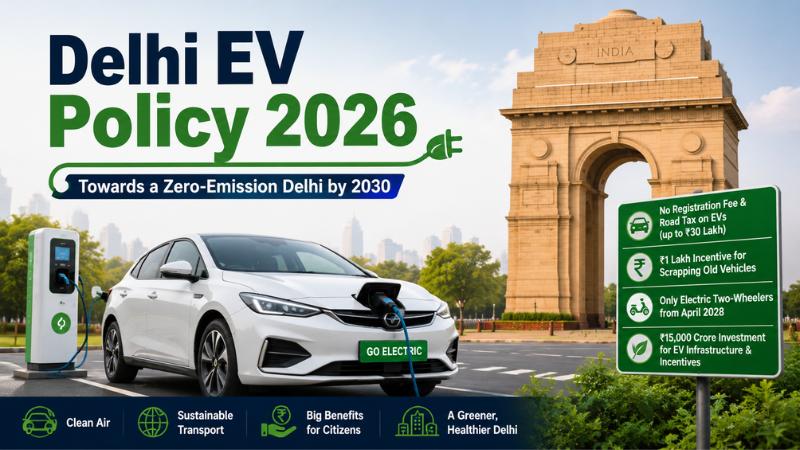
New Delhi, June 30: The Delhi Cabinet has approved a new Electric Vehicle Policy aimed at accelerating the capital’s shift towards zero-emission transport by 2030. The policy will be rolled out in phases over four years from July 1, 2026.
Under the new policy, electric cars priced up to ₹30 lakh will be exempted from registration fees and road tax. The government has also announced an incentive of ₹1 lakh for people purchasing new electric vehicles after scrapping old vehicles.
Electric Two-Wheelers From April 2028
A key feature of the policy is the phased transition of two-wheelers. From April 2028, only electric two-wheelers will be allowed for new registration in Delhi. The move is expected to significantly reduce vehicular emissions in the national capital.
₹15,000 Crore Benefit Plan
The Delhi government has committed a fiscal outlay of around ₹15,000 crore for the policy. Chief Minister Rekha Gupta said the government is planning to invest nearly ₹8,000 crore in EV infrastructure and road tax waivers over the coming years.
She said the policy focuses entirely on electric and zero-emission vehicles, with the larger goal of making Delhi a pollution-free city for residents.
Focus On Charging Infrastructure
The policy is expected to strengthen EV infrastructure across Delhi, including charging facilities and support systems required for a wider shift to electric mobility. The government plans to implement the framework in a phased manner over the next four years.
Major Step Against Vehicular Pollution
Delhi has long faced serious air pollution concerns, and vehicle emissions remain one of the key contributors. The new EV policy is being seen as a major step toward cleaner mobility, lower emissions, and long-term environmental benefits for the city.