

Maharashtra Clears Rs 1,722 Crore Versova-Bandra Sea Link Connector
The Maharashtra cabinet sub-committee on infrastructure has approved a Rs 1,722.40 crore connector project linked to the under-construction Versova-Bandra Sea Link in Mumbai.
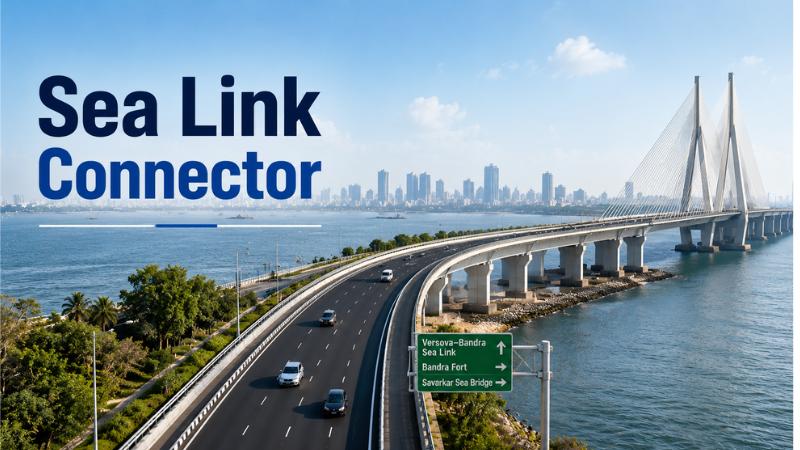
The approved project will build a 3.55-km road connecting the Bandra Fort end of the Versova-Bandra Sea Link with the Savarkar Sea Bridge. The move is expected to strengthen road connectivity along Mumbai’s western coastal corridor and reduce travel pressure on busy city routes.
MSRDC To Implement The Project
The Maharashtra State Road Development Corporation will implement the connector project. Once completed, the link is expected to help vehicles move more smoothly between the western suburbs and south Mumbai.
The connector is being seen as an important addition to Mumbai’s larger coastal road and sea link network, which aims to reduce travel time and improve traffic movement across key stretches of the city.
Versova-Bandra Sea Link Cost Revised
The wider Versova-Bandra Sea Link project is already under construction. Its revised cost now stands at Rs 18,120.96 crore, and the project is expected to be completed by May 2028.
The sea link is planned as a major transport corridor connecting Versova and Bandra. It is expected to ease congestion on existing roads such as the Western Express Highway and other internal city routes.
Why The Connector Matters
The new Bandra Fort-Savarkar Sea Bridge connector is important because it will improve the usefulness of the Versova-Bandra Sea Link once the larger project is completed.
Without proper connecting roads, large infrastructure projects can face traffic bottlenecks at entry and exit points. This connector is expected to provide smoother access and help distribute traffic more efficiently.
Boost For Mumbai Coastal Connectivity
Mumbai has been investing heavily in coastal road and sea link projects to manage growing traffic demand. The latest approval adds another key link to the city’s western coastal transport network.
For daily commuters, the project could bring faster road movement, better access between key zones, and reduced pressure on existing traffic corridors once the wider network becomes operational.