










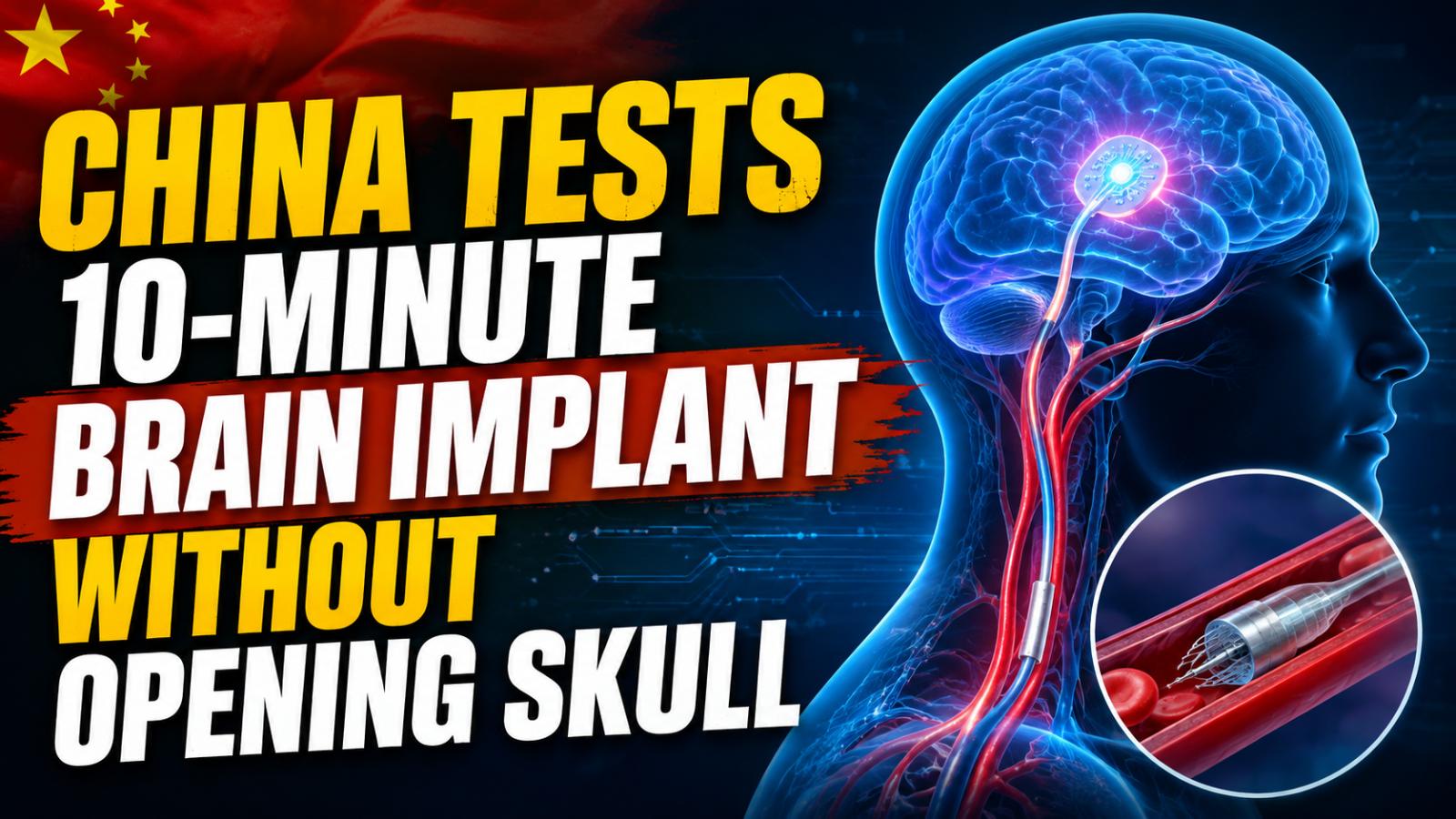













China is testing a brain-computer interface that can reach the brain through neck blood vessels, potentially avoiding skull-opening surgery and cutting implant time to about 10 minutes. China Tests Brain Implant Through Blood Vessels China is developing an experimental brain-computer interface that could potentially be placed in the brain without opening the skull. Instead of conventional neurosurgery, researchers are testing a technique that uses
Physicists Discover Most Complex Ice Forms Ever Identified Scientists have identified new, highly complex forms of ice, revealing surprising behaviors of water under extreme conditions. Water is far more complex than it appears. While commonly known as a simple frozen substance, ice can exist in multiple solid forms depending on temperature and pressure. Since the early 1900s, scientists have identified over 20 different phases of ice, each with a unique molec
Maharashtra approves ₹10,000 crore AI policy to boost infrastructure, startups, jobs, and ethical AI growth. In a major push to strengthen its digital economy, the Maharashtra government has approved a comprehensive Artificial Intelligence (AI) policy with a proposed investment of ₹10,000 crore. Cleared on Wednesday, the policy focuses on building robust AI infrastructure, encouraging innovation, and promoting responsible governance across sectors. The
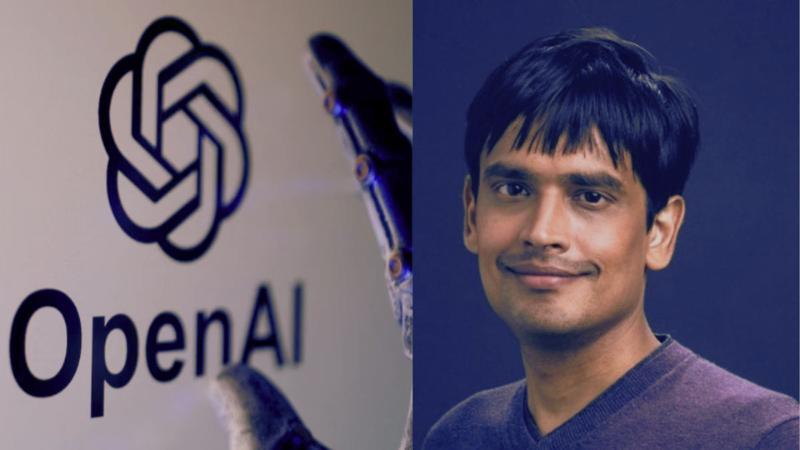
Srinivas Narayanan, an alumnus of Indian Institute of Technology Madras, has stepped down from OpenAI after more than three years, marking the end of a key chapter in the company’s rapid growth phase. He said he plans to spend time in India with his ageing parents before deciding on his next move. During his tenure, Narayanan played a crucial role in scaling ChatGPT and expanding OpenAI’s developer ecosystem. As CTO of B2B Applications and earlier Vice President of Engineering, he led teams responsible for core product development and infrastructure, helping bring advanced AI tools to a global user base. A Computer Science graduate from IIT Madras, Narayanan went on to earn a Master’s degree from the University of Wisconsin–Madison. His academic background laid a strong foundation for a career that combined deep technical expertise with leadership in large-scale systems. Before joining OpenAI, he spent over a decade in Silicon Valley, working with major tech firms such as IBM and Meta Platforms. At Meta, he contributed to large-scale AI systems spanning language processing, computer vision, and recommendation engines. His departure comes as OpenAI continues to expand rapidly across both consumer and enterprise AI. Given his role in scaling ChatGPT into one of the fastest-growing platforms globally, Narayanan’s next move is expected to draw significant attention across the tech industry.
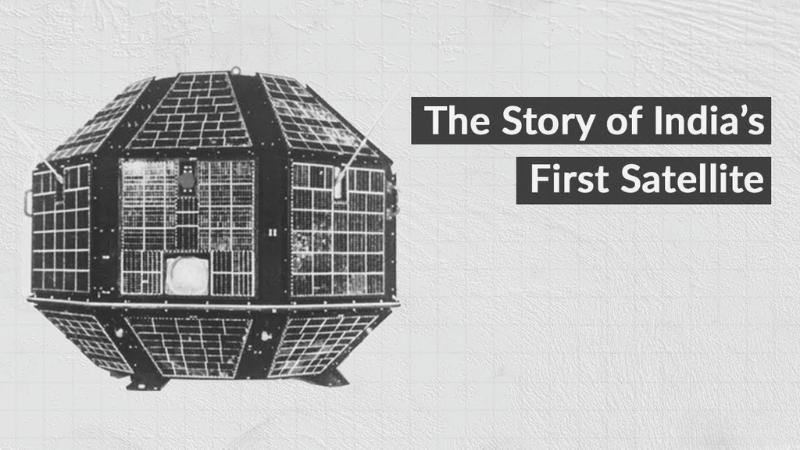
India’s space journey began in the most unexpected place — a church in Thumba. Long before becoming a global space power, the foundations of the Indian Space Research Organisation were laid with limited resources but extraord
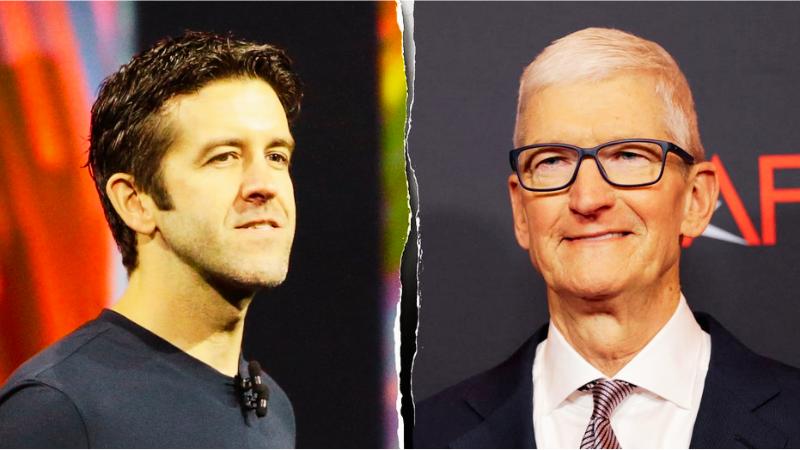
Apple Inc. has announced a major leadership transition, with CEO Tim Cook set to step down later this year. He will be succeeded by John Ternus, currently serving as the company’s head of
A new global trend is emerging as young people begin using artificial intelligence not just for learning, but for building real businesses at an early age. Across countries, teenagers are leveraging AI tools to create products, offer services, and generate income—often before turning 18. Unlike earlier generations, many Gen Z individuals are moving beyond basic AI usage and applying it to solve real-world problems. From managing small businesses to developing software tools and of
For decades, Silicon Valley has been the undisputed global leader in technology innovation. Today, however, a new region is rapidly gaining attention — the Middle East. Massive investments in artificial intelligence, startup ecosystems, digital transformation, and cloud infrastructure are positioning countries across the Gulf as serious global tech contenders. The question is whether the Middle East can truly emerge as the next hub for AI and startups.