
















#globalconflict
Iran Jellyfish Drone Swarm Claim Raises Questions After US F-15E Crash
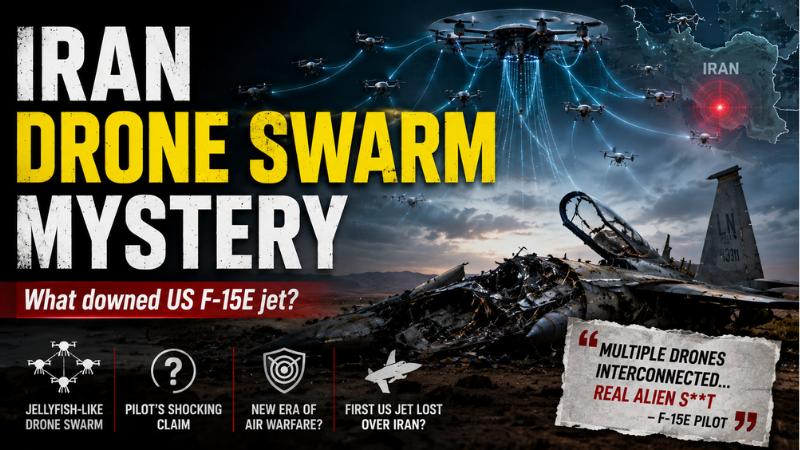
Iran Drone Swarm Claim Raises New Air Warfare Concerns A US pilot’s reported account of a jellyfish-like Iranian drone swarm before an F-15E crash has raised questions about Iran’s drone warfare capabilities. Officials have not confirmed the exact cause of the crash, but the claim has sparked fresh debate on the future of air combat. Iran’s ‘Jellyfish’ Drone Swarm Claim Raises Questions After US F-15E Jet Crash
Iran Jellyfish Drone Swarm Claim Raises Questions After US F-15E Crash
Iran Drone Swarm Claim Raises New Air Warfare Concerns A US pilot’s reported account of a jellyfish-like Iranian drone swarm before an F-15E crash has raised questions about Iran’s drone warfare capabilities. Officials have not confirmed the exact cause of the crash, but the claim has sparked fresh debate on the future of air combat. Iran’s ‘Jellyfish’ Drone Swarm Claim Raises Questions After US F-15E Jet Crash
Reports Claim Iran Leader Injured in Strike, Suffers Facial Burns
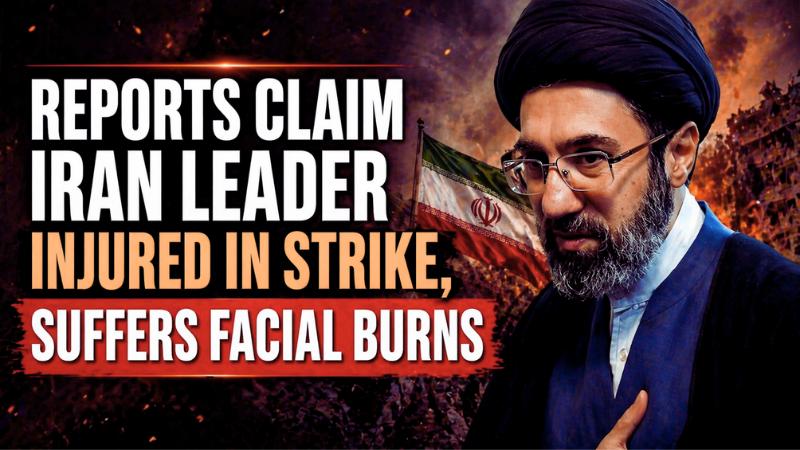
Mojtaba Khamenei has reportedly sustained serious injuries, including severe burns to his face and lips, according to multiple sources. The reported injuries are said to have affected his ability to speak and may require reconstructive treatment. Officials familiar with the situation indicated that he remains mentally alert and continues to be involve
Reports Claim Iran Leader Injured in Strike, Suffers Facial Burns
Mojtaba Khamenei has reportedly sustained serious injuries, including severe burns to his face and lips, according to multiple sources. The reported injuries are said to have affected his ability to speak and may require reconstructive treatment. Officials familiar with the situation indicated that he remains mentally alert and continues to be involve
US Weapons Stockpiles Depleted by Iran War, Raising Readiness Concerns
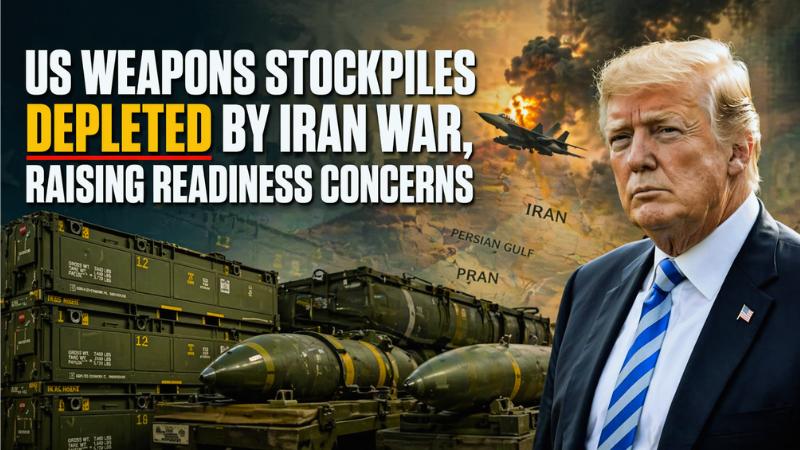
The ongoing conflict involving the United States in Iran has exposed a growing strain on America’s military resources, with reports pointing to a rapid depletion of high-end munitions. The intensity of operations has forced the US to draw heavily from stockpiles originally reserved for potential conflicts with major global powers, raising concerns about long-term defence readiness. Estimates indicate that large quantities of advanced weapons—including long-range cruise missiles and missile defence systems—have been deployed during the conflict. Thousands of precision-guided munitions have reportedly been used, far exceeding typical annual production levels. This surge has created a widening gap between consumption and replenishment, highlighting pressure on the defence supply chain. The financial burden of the conflict has also been significant, with overall costs running into tens of billions of dollars. Analysts suggest that the pace of spending, combined with high weapon usage, could take years to stabilise, particularly given existing production constraints within the defence industry. Beyond munitions, the conflict has led to the loss and wear of key military equipment during operations, further adding to the strain. The diversion of resources from other strategic regions has also raised concerns about the US military’s global preparedness, especially in areas such as Europe and the Indo-Pacific. Experts warn that rebuilding stockpiles will require expanded manufacturing capacity and sustained funding commitments. The situation has also intensified discussions around the need for more cost-effective, scalable defence solutions to support prolonged military engagements. While US officials maintain that the military remains fully capable, the conflict has underscored the challenges of sustaining high-intensity warfare over extended periods. The pressure on critical resources and production systems could have broader strategic implications going forward.
US Weapons Stockpiles Depleted by Iran War, Raising Readiness Concerns
The ongoing conflict involving the United States in Iran has exposed a growing strain on America’s military resources, with reports pointing to a rapid depletion of high-end munitions. The intensity of operations has forced the US to draw heavily from stockpiles originally reserved for potential conflicts with major global powers, raising concerns about long-term defence readiness. Estimates indicate that large quantities of advanced weapons—including long-range cruise missiles and missile defence systems—have been deployed during the conflict. Thousands of precision-guided munitions have reportedly been used, far exceeding typical annual production levels. This surge has created a widening gap between consumption and replenishment, highlighting pressure on the defence supply chain. The financial burden of the conflict has also been significant, with overall costs running into tens of billions of dollars. Analysts suggest that the pace of spending, combined with high weapon usage, could take years to stabilise, particularly given existing production constraints within the defence industry. Beyond munitions, the conflict has led to the loss and wear of key military equipment during operations, further adding to the strain. The diversion of resources from other strategic regions has also raised concerns about the US military’s global preparedness, especially in areas such as Europe and the Indo-Pacific. Experts warn that rebuilding stockpiles will require expanded manufacturing capacity and sustained funding commitments. The situation has also intensified discussions around the need for more cost-effective, scalable defence solutions to support prolonged military engagements. While US officials maintain that the military remains fully capable, the conflict has underscored the challenges of sustaining high-intensity warfare over extended periods. The pressure on critical resources and production systems could have broader strategic implications going forward.
Iran Rejects US Proposal, Sets 5 Conditions to End Middle East Conflict
Iran has rejected the United States' proposal to end the ongoing war, insisting that it will decide the terms of cessation on its own. According to a senior Iranian official, the US offer was deemed "excessive," and Tehran is determined to continue its defense against US forces. The official emphasized that Iran would only end the conflict once its conditions are met, signaling its intent to keep up military actions until those terms are fulfilled. In a statement to the media, Iran
Iran Rejects US Proposal, Sets 5 Conditions to End Middle East Conflict
Iran has rejected the United States' proposal to end the ongoing war, insisting that it will decide the terms of cessation on its own. According to a senior Iranian official, the US offer was deemed "excessive," and Tehran is determined to continue its defense against US forces. The official emphasized that Iran would only end the conflict once its conditions are met, signaling its intent to keep up military actions until those terms are fulfilled. In a statement to the media, Iran


