#foreignpolicy
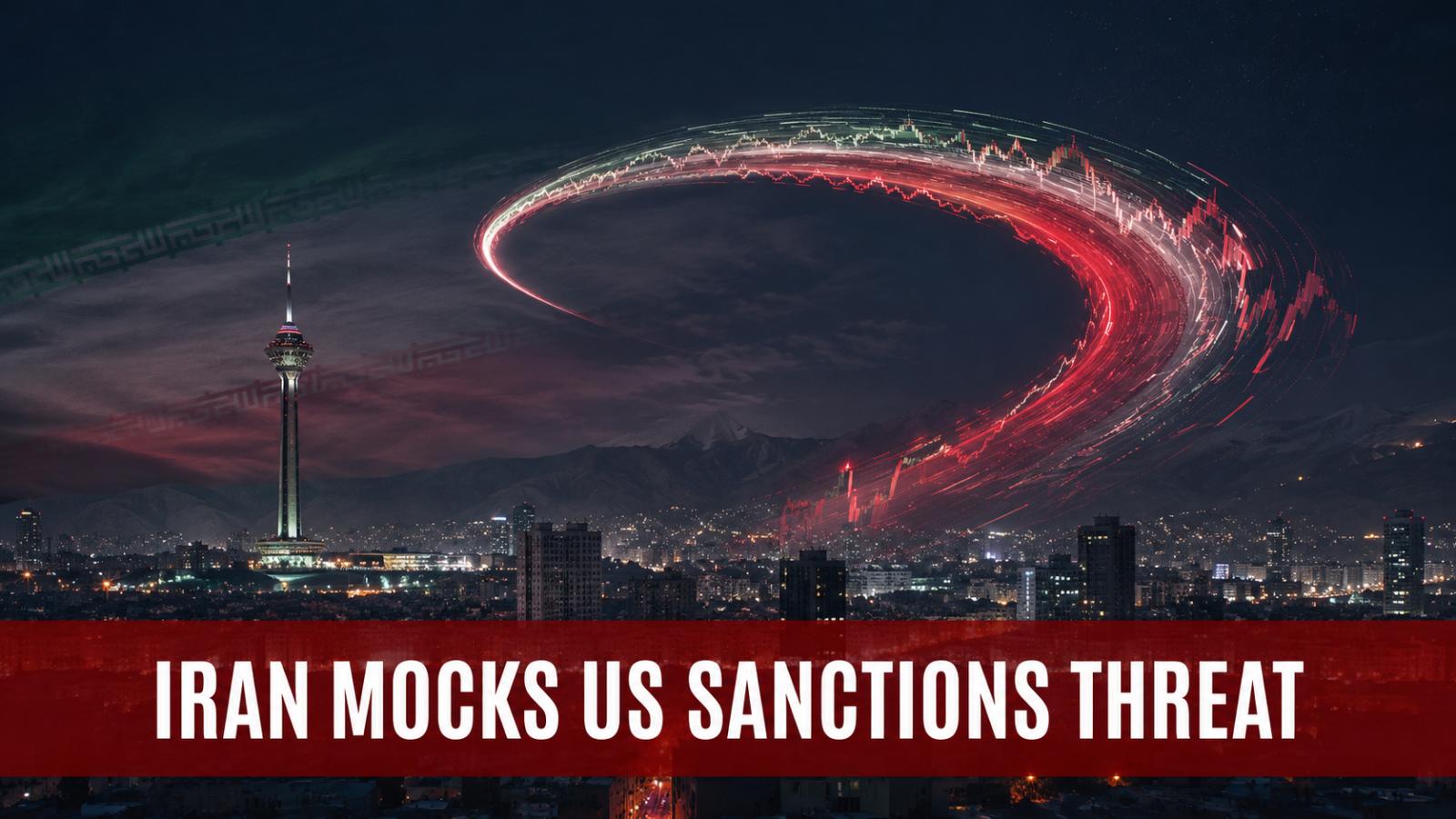
Ghalibaf Mocks US Sanctions Threat With Frozen Economy Jibe
Tehran, Iran — Parliament Speaker Mohammad Bagher Ghalibaf criticised US sanctions threats as Iranian officials vowed to counter new economic pressure. Ghalibaf Mocks US Sanctions Threat With Frozen Economy Jibe Iranian Parliament Speaker Mohammad Bagher Ghalibaf has ridiculed the United States after President Donald Trump signalled a renewed economic pressure campaign against Tehran. In a post on
Ghalibaf Mocks US Sanctions Threat With Frozen Economy Jibe
Tehran, Iran — Parliament Speaker Mohammad Bagher Ghalibaf criticised US sanctions threats as Iranian officials vowed to counter new economic pressure. Ghalibaf Mocks US Sanctions Threat With Frozen Economy Jibe Iranian Parliament Speaker Mohammad Bagher Ghalibaf has ridiculed the United States after President Donald Trump signalled a renewed economic pressure campaign against Tehran. In a post on
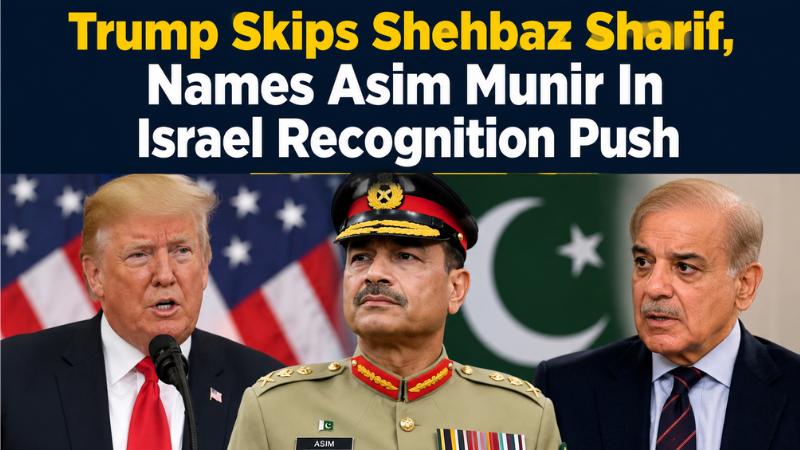
Trump Skips Shehbaz Sharif, Names Asim Munir In Israel Recognition Push
Pakistan Faces Fresh Debate Over Trump’s Abraham Accords Message Trump Post Sparks Pakistan Debate US President Donald Trump’s latest push to expand the Abraham Accords has placed Pakistan in a sensitive diplomatic position. In a Truth Social post on May 25, 2026, Trump urged more Muslim-majority nations to consider joining the Israel normalisation framework as part of a wider regional peace effort linked to Iran talks.
Trump Skips Shehbaz Sharif, Names Asim Munir In Israel Recognition Push
Pakistan Faces Fresh Debate Over Trump’s Abraham Accords Message Trump Post Sparks Pakistan Debate US President Donald Trump’s latest push to expand the Abraham Accords has placed Pakistan in a sensitive diplomatic position. In a Truth Social post on May 25, 2026, Trump urged more Muslim-majority nations to consider joining the Israel normalisation framework as part of a wider regional peace effort linked to Iran talks.
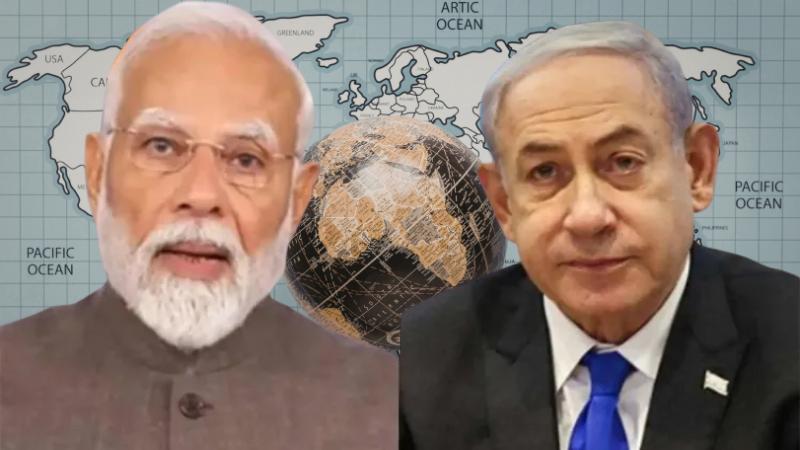
PM Modi to visit Israel on February 25–26 to strengthen India ties
Prime Minister Narendra Modi is set to undertake a two-day visit to Israel from February 25 to 26, in what is expected to be another significant step in strengthening India’s strategic engagement with the West Asian nation. According to official sources, the final programme is being worked out, with the visit likely to feature high-level discussions focused on expanding cooperation in key sectors. Modi is also expected to address the Israeli parliament, the Knesset, during the trip.
PM Modi to visit Israel on February 25–26 to strengthen India ties
Prime Minister Narendra Modi is set to undertake a two-day visit to Israel from February 25 to 26, in what is expected to be another significant step in strengthening India’s strategic engagement with the West Asian nation. According to official sources, the final programme is being worked out, with the visit likely to feature high-level discussions focused on expanding cooperation in key sectors. Modi is also expected to address the Israeli parliament, the Knesset, during the trip.
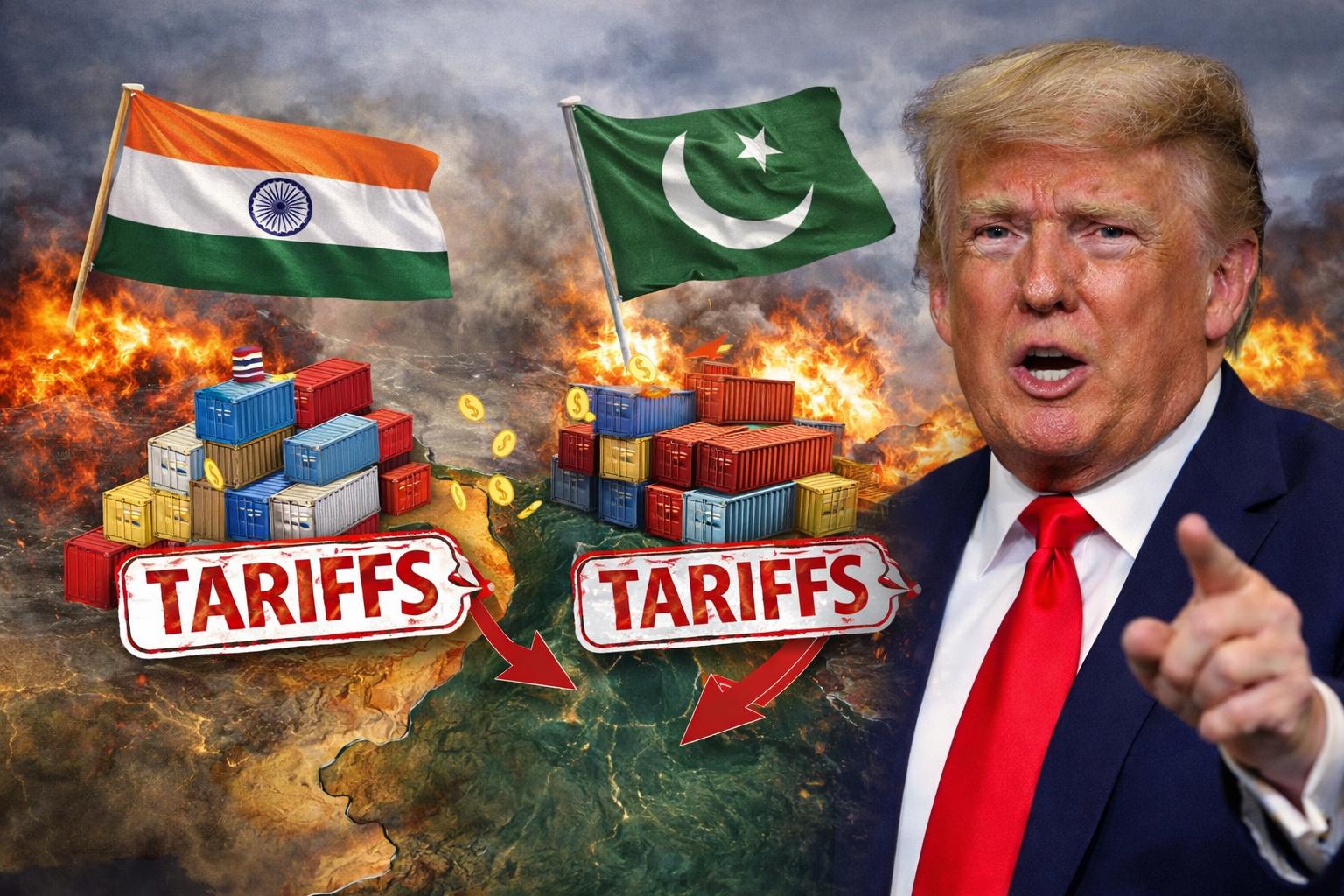
Trump claims tariff pressure helped halt India–Pakistan conflict
US President Donald Trump has once again asserted that the threat of trade tariffs played a significant role in halting several international conflicts, including the recent military tensions between India and Pakistan. Speaking in a televised interview on Tuesday, Trump claimed that economic pressure through tariffs helped bring rival nations to the negotiating table and prevented further bloodshed. Referring specifically to the four-day confrontation between the two nuclear-armed
Trump claims tariff pressure helped halt India–Pakistan conflict
US President Donald Trump has once again asserted that the threat of trade tariffs played a significant role in halting several international conflicts, including the recent military tensions between India and Pakistan. Speaking in a televised interview on Tuesday, Trump claimed that economic pressure through tariffs helped bring rival nations to the negotiating table and prevented further bloodshed. Referring specifically to the four-day confrontation between the two nuclear-armed
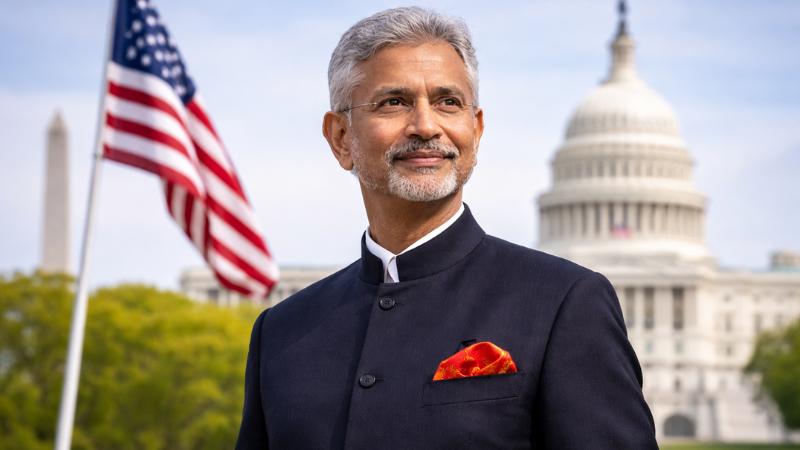
Jaishankar signals historic India-US trade pact to boost exports and jobs
India is on the brink of securing a major economic breakthrough as negotiations with the United States move into the final phase of what officials are calling a historic trade agreement. External Affairs Minister S. Jaishankar has indicated that the remaining details are being worked out and that the deal could be concluded very soon, raising expectations of stronger exports, new investments and deeper strategic cooperation for Indian industry. Speaking at the end of his recent visit to Washington, Jaishankar described the discussions as productive and forward-looking. He held talks with US Secretary of State Marco Rubio and participated in the inaugural Critical Minerals Ministerial, where supply chains, energy security and future technologies were central themes. According to the minister, the proposed trade pact marks the beginning of a new chapter in India-US relations and carries “vast possibilities” for both economies. For Indian businesses, the agreement is expected to deliver tangible benefits. One of the most significant provisions under consideration is a sharp reduction in US tariffs on select Indian goods. Duties that previously stood as high as 50 percent may be lowered to around 18 percent, a move that could make Indian products more competitive in the American market. Exporters in sectors such as manufacturing, engineering goods, electronics and clean energy components are likely to see improved access and better margins. Analysts believe such measures could create new jobs and provide momentum to India’s broader growth strategy. Another key focus of the talks has been cooperation on critical minerals including lithium, cobalt and rare earth elements. These resources are essential for electric vehicles, batteries, semiconductors and renewable energy technologies, areas where India is rapidly expanding its domestic capacity. With global demand for these materials rising sharply, securing reliable and diversified supply chains has become a strategic priority. The United States is seeking trusted partners to reduce dependence on a handful of dominant suppliers, and India’s geological potential and growing industrial base position it as an important collaborator. Jaishankar also expressed support for the Forum on Resource Geostrategic Engagement, or FORGE, an initiative aimed at building resilient mineral partnerships. Participation in such frameworks could help India attract investment, technology transfers and expertise while strengthening its role in global supply networks. Officials say this aligns with the government’s push for self-reliance in high-tech manufacturing and clean energy production. Beyond trade and minerals, the discussions covered defence cooperation, advanced technology, energy projects and broader diplomatic coordination. Observers note that the relationship between New Delhi and Washington has steadily expanded over the past decade, and the current negotiations reflect growing trust and shared strategic interests. The deal is being viewed not only as an economic arrangement but also as a step toward reinforcing India’s global standing. While final terms are yet to be formally announced, the optimism surrounding the talks suggests that both sides are keen to move quickly. If concluded as expected, the agreement could serve as a milestone for India’s trade policy, opening new markets and strengthening its position in global supply chains. For Indian viewers and businesses alike, the prospective pact represents an opportunity to accelerate growth, enhance competitiveness and deepen one of the country’s most important international partnerships.

Jaishankar signals historic India-US trade pact to boost exports and jobs
India is on the brink of securing a major economic breakthrough as negotiations with the United States move into the final phase of what officials are calling a historic trade agreement. External Affairs Minister S. Jaishankar has indicated that the remaining details are being worked out and that the deal could be concluded very soon, raising expectations of stronger exports, new investments and deeper strategic cooperation for Indian industry. Speaking at the end of his recent visit to Washington, Jaishankar described the discussions as productive and forward-looking. He held talks with US Secretary of State Marco Rubio and participated in the inaugural Critical Minerals Ministerial, where supply chains, energy security and future technologies were central themes. According to the minister, the proposed trade pact marks the beginning of a new chapter in India-US relations and carries “vast possibilities” for both economies. For Indian businesses, the agreement is expected to deliver tangible benefits. One of the most significant provisions under consideration is a sharp reduction in US tariffs on select Indian goods. Duties that previously stood as high as 50 percent may be lowered to around 18 percent, a move that could make Indian products more competitive in the American market. Exporters in sectors such as manufacturing, engineering goods, electronics and clean energy components are likely to see improved access and better margins. Analysts believe such measures could create new jobs and provide momentum to India’s broader growth strategy. Another key focus of the talks has been cooperation on critical minerals including lithium, cobalt and rare earth elements. These resources are essential for electric vehicles, batteries, semiconductors and renewable energy technologies, areas where India is rapidly expanding its domestic capacity. With global demand for these materials rising sharply, securing reliable and diversified supply chains has become a strategic priority. The United States is seeking trusted partners to reduce dependence on a handful of dominant suppliers, and India’s geological potential and growing industrial base position it as an important collaborator. Jaishankar also expressed support for the Forum on Resource Geostrategic Engagement, or FORGE, an initiative aimed at building resilient mineral partnerships. Participation in such frameworks could help India attract investment, technology transfers and expertise while strengthening its role in global supply networks. Officials say this aligns with the government’s push for self-reliance in high-tech manufacturing and clean energy production. Beyond trade and minerals, the discussions covered defence cooperation, advanced technology, energy projects and broader diplomatic coordination. Observers note that the relationship between New Delhi and Washington has steadily expanded over the past decade, and the current negotiations reflect growing trust and shared strategic interests. The deal is being viewed not only as an economic arrangement but also as a step toward reinforcing India’s global standing. While final terms are yet to be formally announced, the optimism surrounding the talks suggests that both sides are keen to move quickly. If concluded as expected, the agreement could serve as a milestone for India’s trade policy, opening new markets and strengthening its position in global supply chains. For Indian viewers and businesses alike, the prospective pact represents an opportunity to accelerate growth, enhance competitiveness and deepen one of the country’s most important international partnerships.
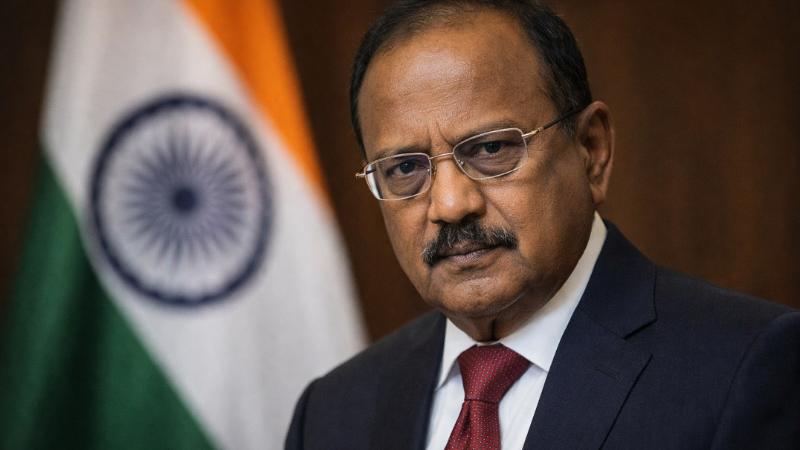
Ajit Doval tells US India will not bow to pressure ahead of trade deal talks
India’s National Security Advisor Ajit Doval conveyed a firm and uncompromising message during a visit to Washington months before the public announcement of a renewed India–US trade deal, underscoring that New Delhi would not yield to pressure or public criticism during negotiations. According to officials familiar with the discussions, Doval told senior American leadership that India was prepared to take a patient approach to trade talks rather than accept terms it considered unfair or
Ajit Doval tells US India will not bow to pressure ahead of trade deal talks
India’s National Security Advisor Ajit Doval conveyed a firm and uncompromising message during a visit to Washington months before the public announcement of a renewed India–US trade deal, underscoring that New Delhi would not yield to pressure or public criticism during negotiations. According to officials familiar with the discussions, Doval told senior American leadership that India was prepared to take a patient approach to trade talks rather than accept terms it considered unfair or