
- geoviewpoint
- 21 May 2026
- #Government Policies #PM Modi #Cabinet meeting Delhi #West Asia crisis 2026 #India energy security #Union ministers stay Delhi #Cabinet reshuffle Modi #Rajnath Singh #Amit Shah #Nirmala Sitharaman #Hardeep Singh Puri #governance review India #Seva Teerth meeting #political update India #crude oil India #LPG stock India
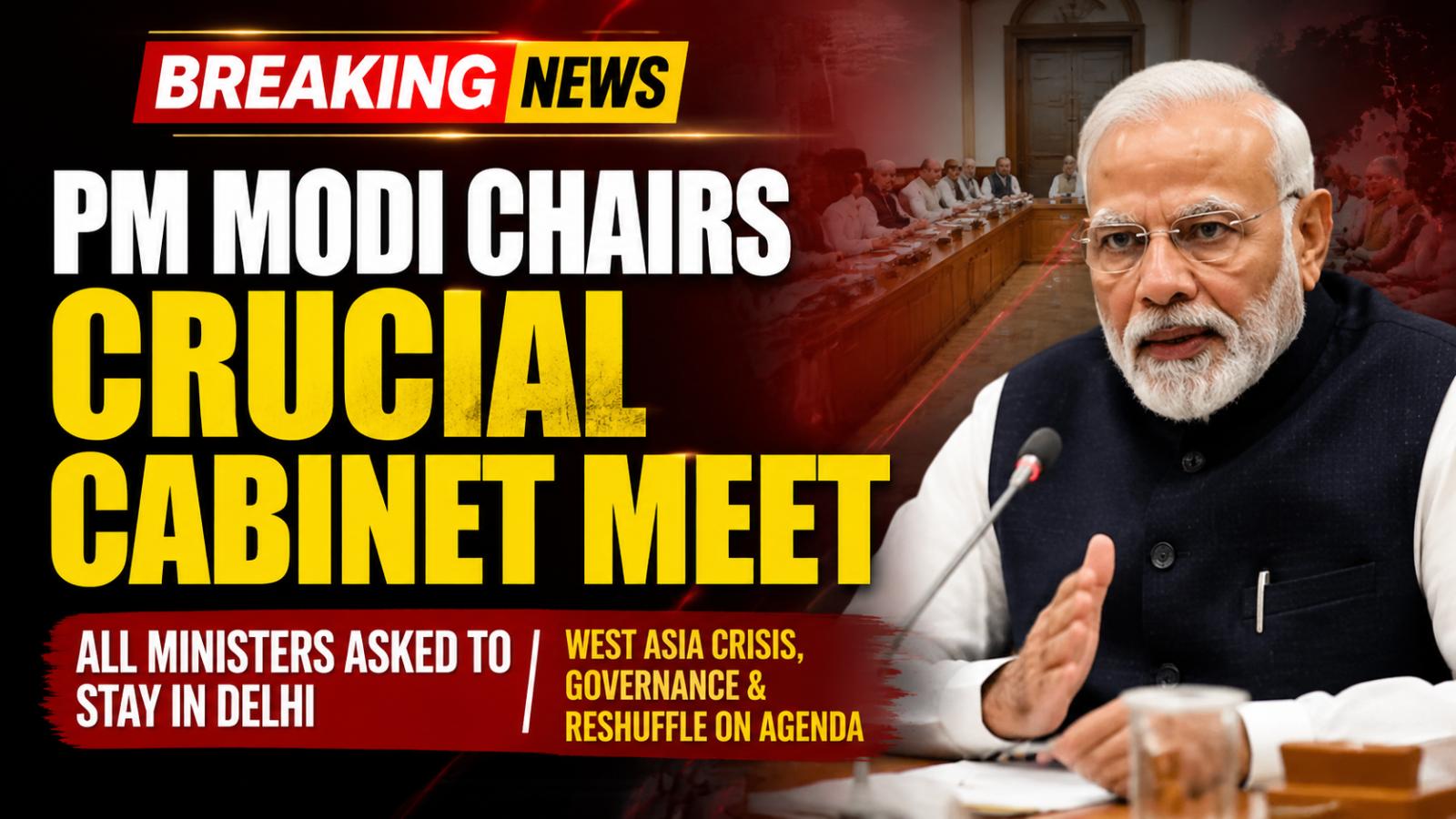
Prime Minister Narendra Modi will lead an important Council of Ministers meeting at Seva Teerth in Delhi at 4 pm on Thursday. All Union ministers, including Cabinet ministers, ministers of state with independent charge, and ministers of state, have been requested to stay in the capital to ensure full attendance. This meeting follows PM Modi’s foreign tour and is expected to focus on governance priorities, regional geopolitical issues, and potential political developments within the government.
West Asia Conflict and Economic Precautions
The ongoing West Asia crisis is expected to be a central topic, with attention on crude oil prices, fuel supply chains, and inflation. India has formed a high-powered informal ministerial group led by Defence Minister Rajnath Singh to monitor the situation and recommend protective measures. This group also includes Home Minister Amit Shah, Finance Minister Nirmala Sitharaman, and Minister of Petroleum Hardeep Singh Puri.
Rajnath Singh has assured that India maintains sufficient stocks of crude oil, LPG, and other energy resources to prevent any major supply disruptions. The government aims to handle the regional crisis proactively to safeguard the country’s economic stability.
Political Implications and Cabinet Reshuffle
Besides economic and geopolitical concerns, the meeting carries political weight amid speculation about a possible Cabinet reshuffle. Ahead of the Modi government’s first anniversary on June 10, ministry performance and organizational assessments are being reviewed. Analysts suggest changes to the Union Council of Ministers could be announced in the second week of June.
The meeting is expected to outline governance priorities, address potential economic challenges from West Asia, and provide insight into India’s political strategy for the coming months.