
JD Vance Gas Price Remark Draws Attention
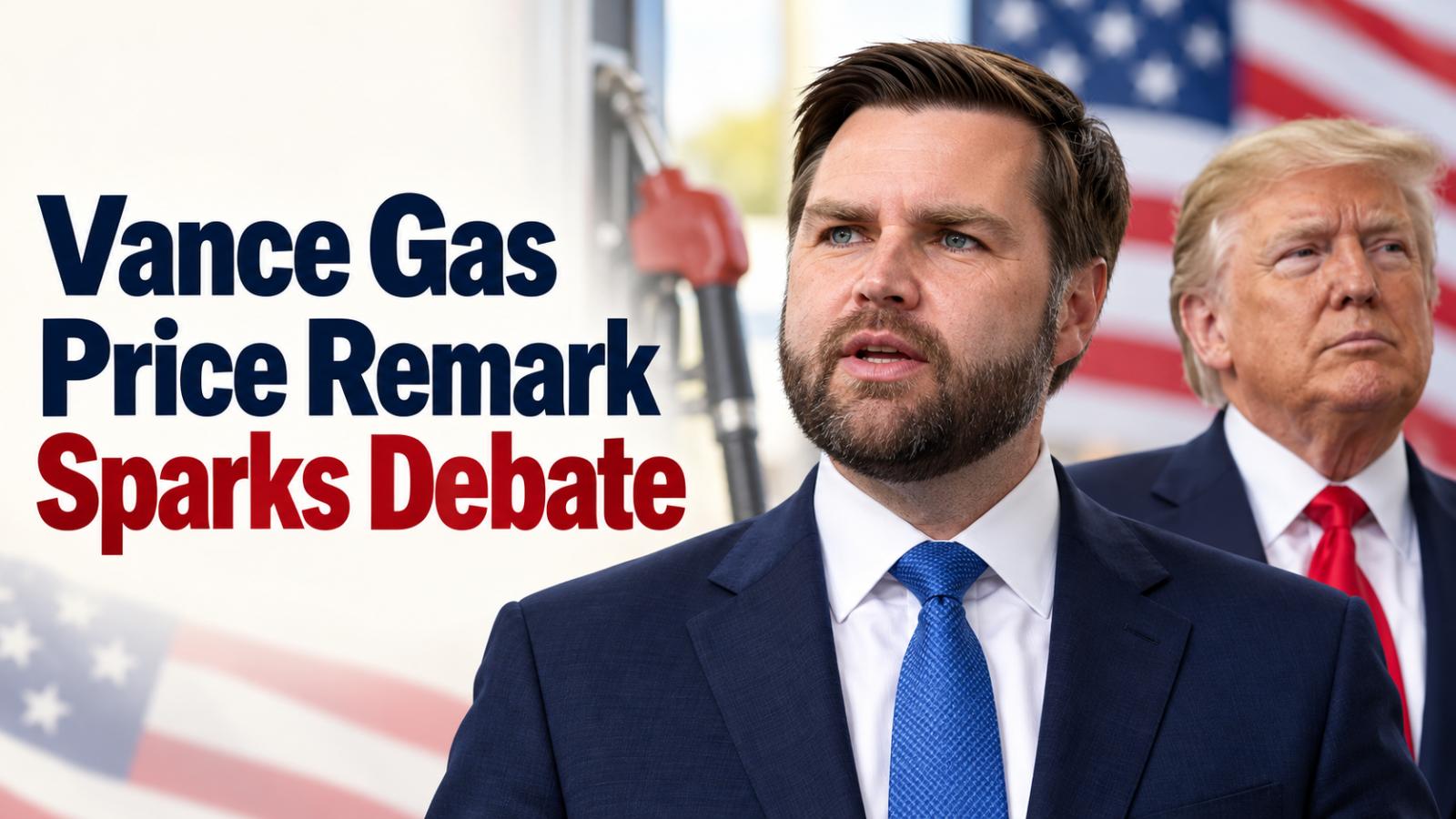
US Vice-President JD Vance has drawn criticism online after blaming sharp increases in petrol prices on international conflicts and “tin-pot dictators” during a Republican campaign rally in Belgrade, Montana, on Monday.
Acknowledging frustration over living costs, Vance pointed to earlier periods of rising fuel prices, including Russia’s invasion of Ukraine in 2022. He also cited 1979, 2001 and 2007 while arguing that overseas crises can push up prices at American petrol stations.
Trump Comparisons Follow Comments On Dictators
Vance’s wording prompted some social media users to draw comparisons with President Donald Trump. Critics linked the remark to the current administration’s war with Iran and questioned whether his explanation overlooked its impact on energy markets.
Those comparisons represent critics’ interpretation of the speech. Vance did not identify Trump as the target of his “tin-pot dictator” remark, and the excerpt does not establish that he intended to criticise the president. The debate shifted attention from Vance’s defence of the administration’s economic record to questions about responsibility for high fuel costs.
Montana Rally Highlights Voter Frustration
At the Montana event, Vance promoted the administration’s tax and cost-of-living measures while acknowledging that high gas prices and inflation remained concerns. His remarks came as Republicans sought support for their candidates ahead of the November elections.
Vance also criticised Democratic energy proposals, portraying them as inadequate responses to immediate price pressures. The exchange illustrates how fuel costs have become a prominent campaign issue, with voters weighing political promises against everyday spending.
US Midterms Put Energy Prices In Focus
The November 3 midterm elections have increased scrutiny of the administration’s handling of household expenses. Petrol costs affect commuting and family budgets, while higher diesel prices can add pressure to transport and delivery costs.
Reuters has linked disruptions in global fuel supplies to both the Russia–Ukraine war and the US-Israeli war with Iran. That broader context complicates attempts to explain pump prices through a single political statement. For Vance, the immediate controversy centres on his choice of words. For voters, the larger question remains whether fuel costs will ease and how effectively elected leaders can respond.