
US President Donald Trump claimed Washington had near-total control of the Strait of Hormuz in a Truth Social post reported Wednesday, September 2, 2026. The remarks came from Washington amid renewed US strikes, Iranian retaliation and rising concerns over shipping and global oil supplies.
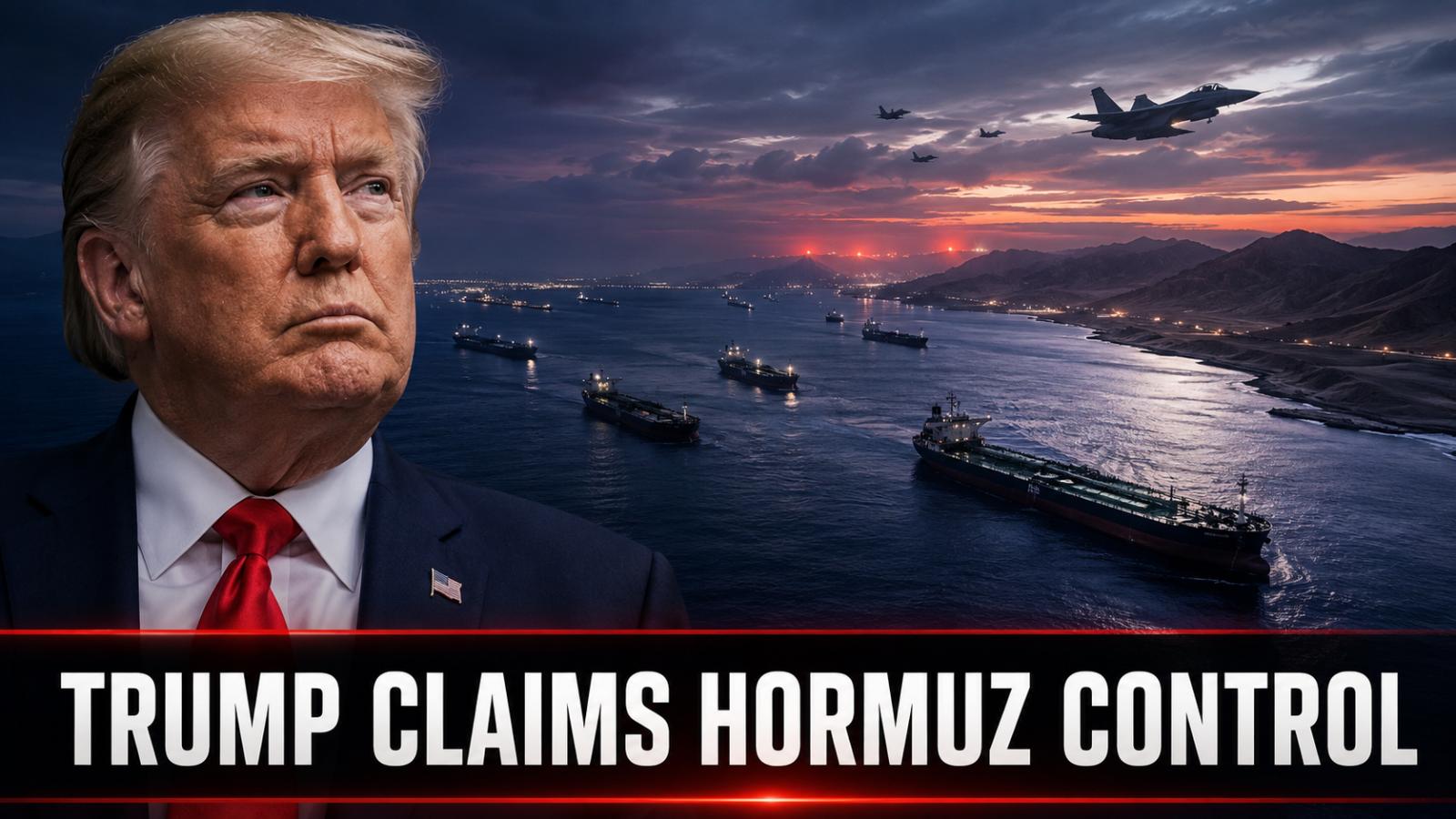
US President Donald Trump has claimed that the United States has “almost total control” of the Strait of Hormuz as the military confrontation with Iran enters another period of intense escalation.
Trump made the claim in a Truth Social post hours after American forces carried out a fresh wave of airstrikes against Iranian targets. He also alleged that Iran’s economy was collapsing and dismissed a media report suggesting that Washington was attempting to force Tehran back to negotiations.
The US president said he was not interested in pressuring Iran into signing what he described as another ineffective agreement. He argued that the current military and economic pressure on Tehran was producing an inevitable outcome.
Iran has repeatedly rejected Trump’s claims about American control of the strategic waterway. Tehran maintains that it continues to exercise authority over the strait, leaving the actual operational situation disputed between the two governments.
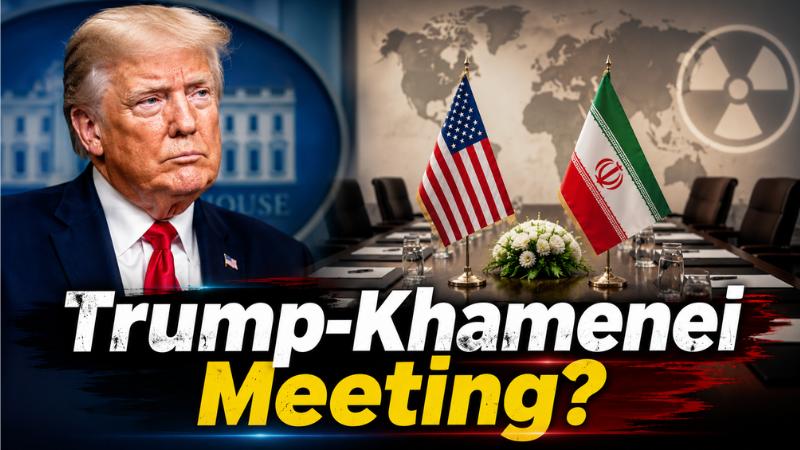
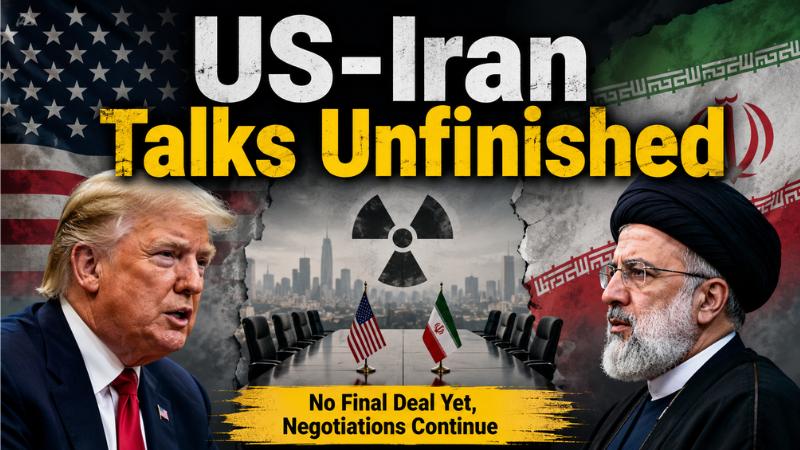
Trump Rejects Report Of New Iran NegotiationsTrump used his social media statement to reject a report that his administration was trying to compel Iran to return to the negotiating table. He said he was not concerned about whether Tehran agreed to another deal and questioned the value of any new agreement.
The president then directly addressed Iran’s population, asking when Iranians would challenge their government. The remark represented another escalation in Washington’s rhetoric and could be interpreted by Tehran as an attempt to encourage domestic opposition.
Trump has made similar claims about control of Hormuz several times during the conflict. However, shipping data and Iranian statements have presented a more complicated picture, with commercial traffic remaining severely disrupted and vessels facing heightened security risks.
US And Iran Exchange Fresh StrikesThe latest statement followed American airstrikes against targets in Iran on Tuesday, September 1. US officials said the strikes were conducted in response to threats against commercial shipping and American personnel in the region.
Iran subsequently announced retaliatory operations involving missiles and drones against locations hosting US forces in Jordan, Bahrain and Iraq. Reports regarding individual targets and the results of the attacks remained subject to confirmation from the governments involved.
Trump described the US strikes as justified and warned that any additional Iranian response could trigger a larger American attack. The exchange marked one of the most serious escalations between Washington and Tehran in recent weeks.
The renewed violence followed attacks on tankers travelling near the Strait of Hormuz. Maritime security agencies and shipping companies have been monitoring the region as vessels face possible missile, drone and mine threats.
Iran Disputes US Control Of HormuzIranian officials have rejected Washington’s claim of controlling the strait and insist that the waterway remains under Iranian authority. The Islamic Revolutionary Guard Corps has warned that further American strikes could result in tighter restrictions on maritime traffic.
Tehran has also maintained that if Iran is prevented from exporting its oil through the Gulf, other regional producers should not expect unrestricted access to the same shipping route.
The Strait of Hormuz connects the Persian Gulf with the Gulf of Oman and is one of the world’s most important energy corridors. A substantial share of internationally traded oil and liquefied natural gas normally passes through the narrow waterway.
Because Washington and Tehran provide sharply different descriptions of control, Trump’s statement should be treated as a presidential claim rather than an independently established account of the strait’s status.
Oil Prices Rise As Shipping Risks IncreaseGlobal oil prices rose sharply following the new strikes and attacks on vessels. West Texas Intermediate crude settled above $90 a barrel, while Brent crude approached $95 as traders considered the possibility of prolonged supply disruption.
Any extended restriction on Hormuz could affect energy-importing countries, raise transportation costs and increase inflationary pressure worldwide. Asian economies, including India, China, Japan and South Korea, are particularly exposed to disruptions involving Gulf oil and gas shipments.
The latest escalation has reduced expectations of an immediate ceasefire. With both sides warning of further action, international attention remains focused on shipping conditions in Hormuz, regional US bases and any diplomatic effort capable of preventing a broader conflict.