
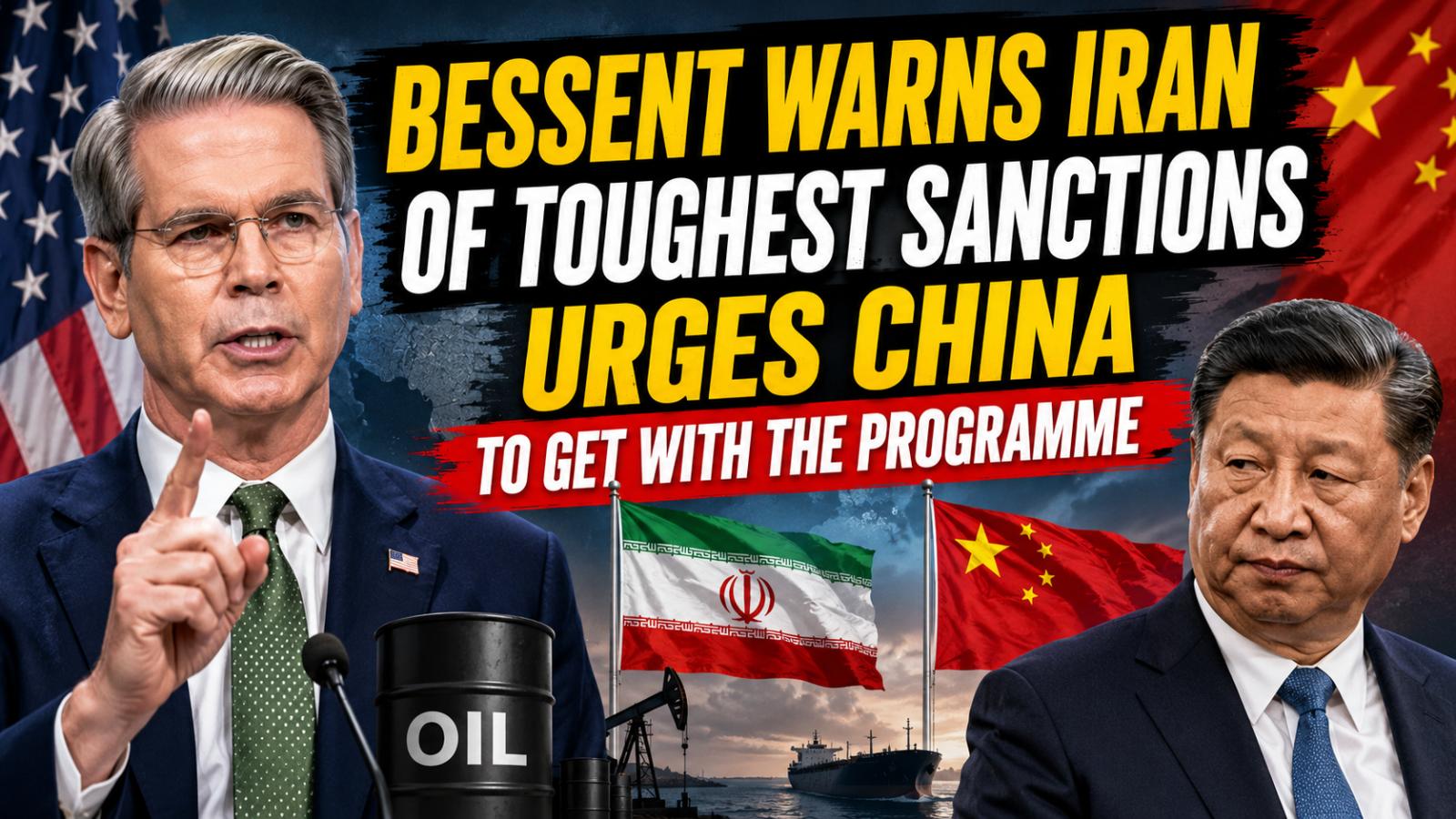
Washington, DC: US Treasury Secretary Scott Bessent has warned Iran of sweeping new sanctions while urging China and other countries to support Washington’s economic pressure campaign.
US Treasury Secretary Scott Bessent has warned that Iran will face what he described as the “toughest sanctions in history” as Washington prepares a new phase of economic pressure against Tehran. Bessent said the United States intends to coordinate with other countries to isolate Iran financially and restrict its ability to generate revenue through oil sales, shipping and international financial networks.
Speaking to CNBC on Thursday, Bessent indicated that the administration sees intensified economic pressure as an alternative to renewed military action. He said Washington would also pursue countries and companies that continue significant commercial dealings with Iran, potentially widening the impact of the sanctions far beyond Tehran.
Bessent Warns Iran Of Unprecedented Economic PressureBessent said Washington’s strategy would combine existing pressure on Iran with a much stronger sanctions regime aimed at cutting the country off from international markets. He argued that the measures could weaken Tehran’s financial capacity and restrict funding available for its regional activities.
The Treasury Secretary said more details about the administration’s plan would be presented at a media conference on Monday, August 24. The announcement is expected to provide clearer information about targeted industries, enforcement measures and the potential consequences for foreign entities continuing to trade with Iran.
Bessent Pressures China Over Iran Trade And HormuzChina emerged as a major focus of Bessent’s remarks because of its economic ties with Iran and heavy reliance on energy supplies from the Gulf. He urged Beijing to “get with the programme” and support efforts aimed at reopening and stabilising shipping through the Strait of Hormuz.
When asked whether Washington could impose penalties on China for continuing business with Tehran, Bessent avoided giving a direct public answer. He said some discussions were better conducted privately while stressing that lower energy prices and uninterrupted navigation through Hormuz were also in Beijing’s interests.
Trump Expands Economic Campaign Against TehranBessent’s comments came a day after President Donald Trump announced what he called an unprecedented economic campaign against Iran. Trump said the effort would target oil-smuggling networks, financial transfers, exchange houses, ship registries and front companies that Washington believes help Tehran bypass restrictions.
Trump also warned governments and businesses assisting Iran that they could face major economic consequences and urged US allies to join the campaign. The administration says the objective is to reduce Iran’s access to revenue while maintaining pressure over its nuclear programme and regional activities.
Iran Rejects US Sanctions As Hormuz Tensions ContinueIran has rejected Washington’s latest economic threats. Foreign Minister Seyed Abbas Araghchi accused the US of pursuing failed pressure policies and warned that broader sanctions could damage the global economy and national sovereignty.
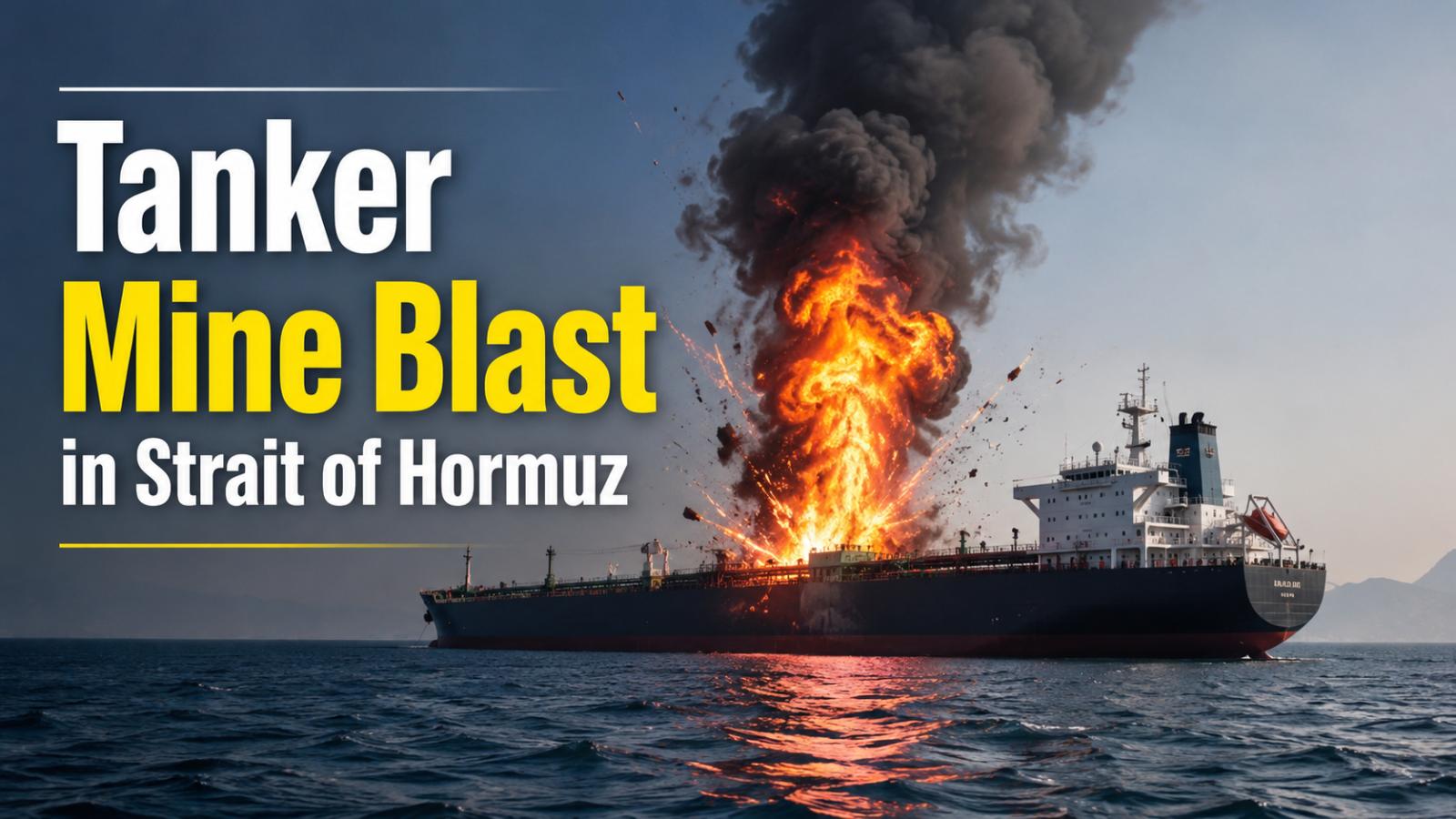
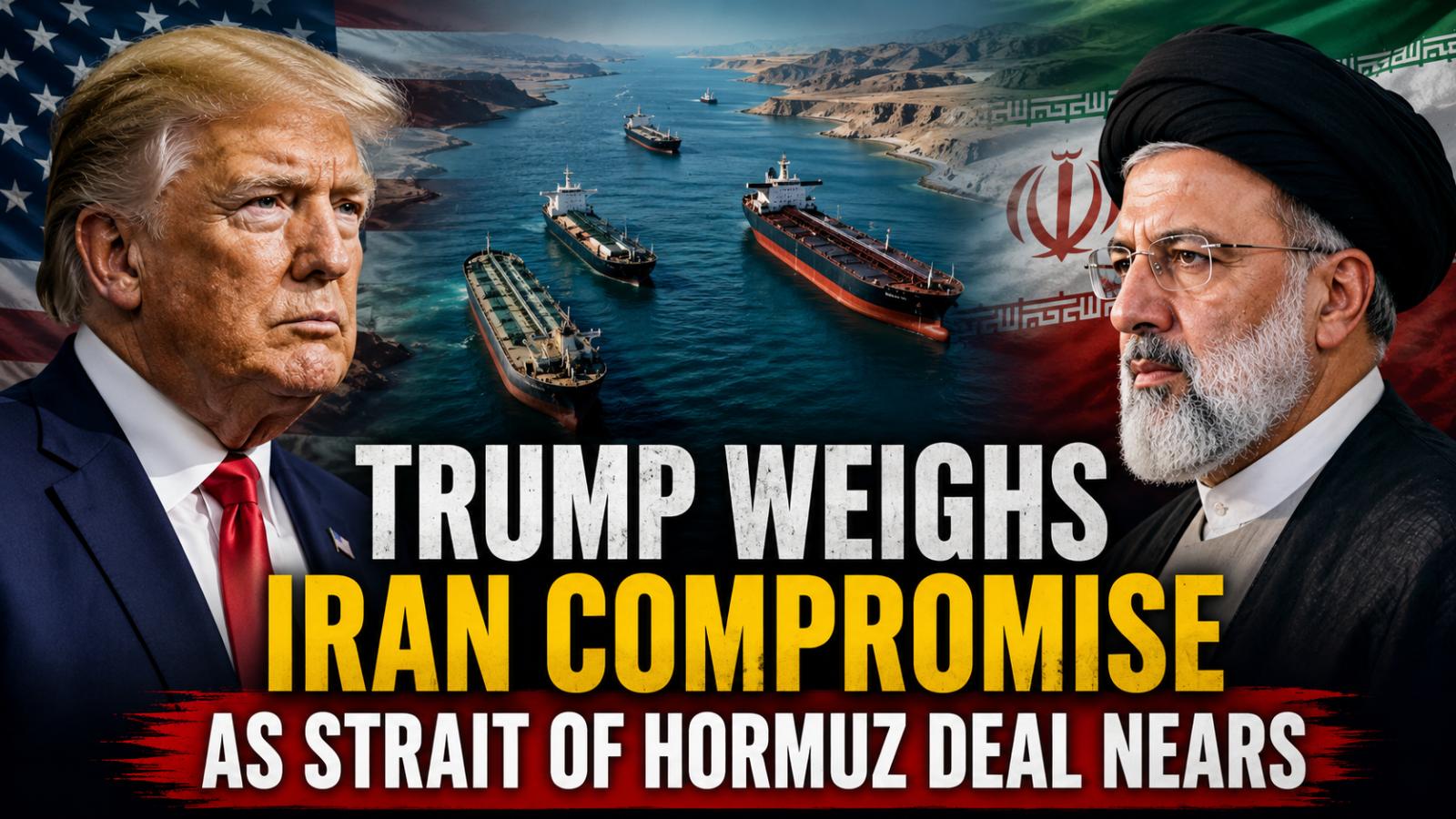
The sanctions push comes amid continuing tensions surrounding the Strait of Hormuz, one of the world’s most important oil and gas transit routes. Trump has said shipping is continuing through the waterway and has described US naval measures as effective, while Iranian officials have linked a full reopening of the Strait to demands including sanctions relief and access to frozen assets.
With Washington preparing to unveil further measures on Monday, attention is now turning to whether China, US allies and major energy-importing countries will cooperate with the campaign or resist pressure to reduce economic ties with Iran.