
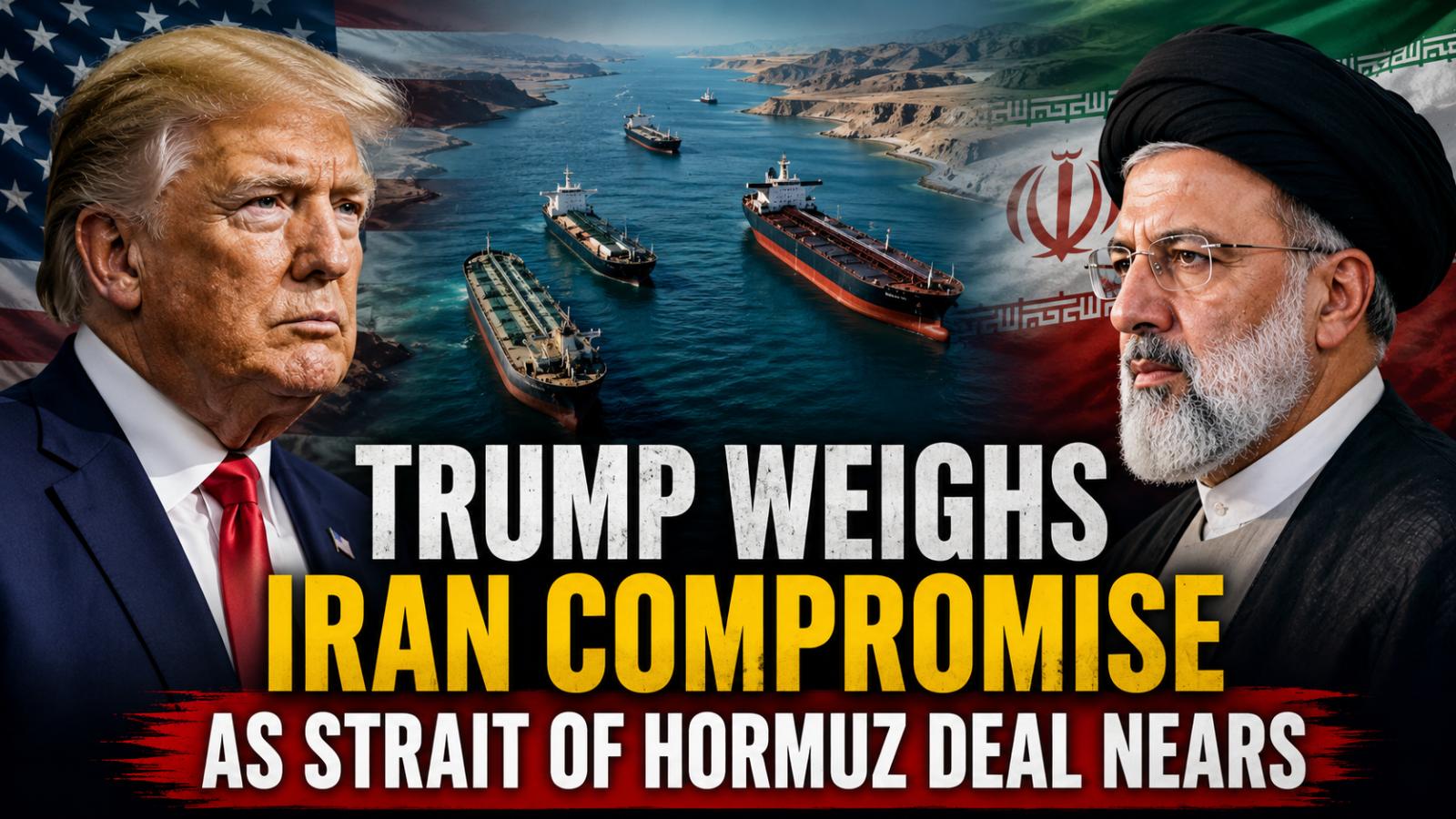
Donald Trump is weighing a possible compromise with Iran as negotiations move closer to reopening the strategically vital Strait of Hormuz. Disagreements over Iranian control and transit fees remain key obstacles as economic, military and political pressure builds on Washington.
US President Donald Trump is facing a difficult diplomatic choice as Washington and Tehran move closer to a potential agreement aimed at restoring commercial shipping through the Strait of Hormuz.
The strategic waterway normally handles about 20 per cent of the world’s oil flows, making its reopening crucial for energy markets and international trade. While officials on both sides have indicated that negotiations are progressing, questions over who controls shipping routes through the strait remain unresolved.
A compromise could bring relief to global markets and reduce pressure on fuel prices, but any concession to Tehran could carry political risks for Trump as the United States approaches the November midterm elections.
Trump Weighs Compromise Over Strait Control
The central dispute involves Iran’s demand to retain a measure of control over the Strait of Hormuz. Tehran has indicated that it does not want the waterway to return entirely to the system that existed before the conflict.
The Trump administration, however, has opposed any arrangement that would effectively strengthen Iran’s authority over the international shipping route. Washington has also rejected proposals that could allow Tehran to impose fees on vessels using the passage.
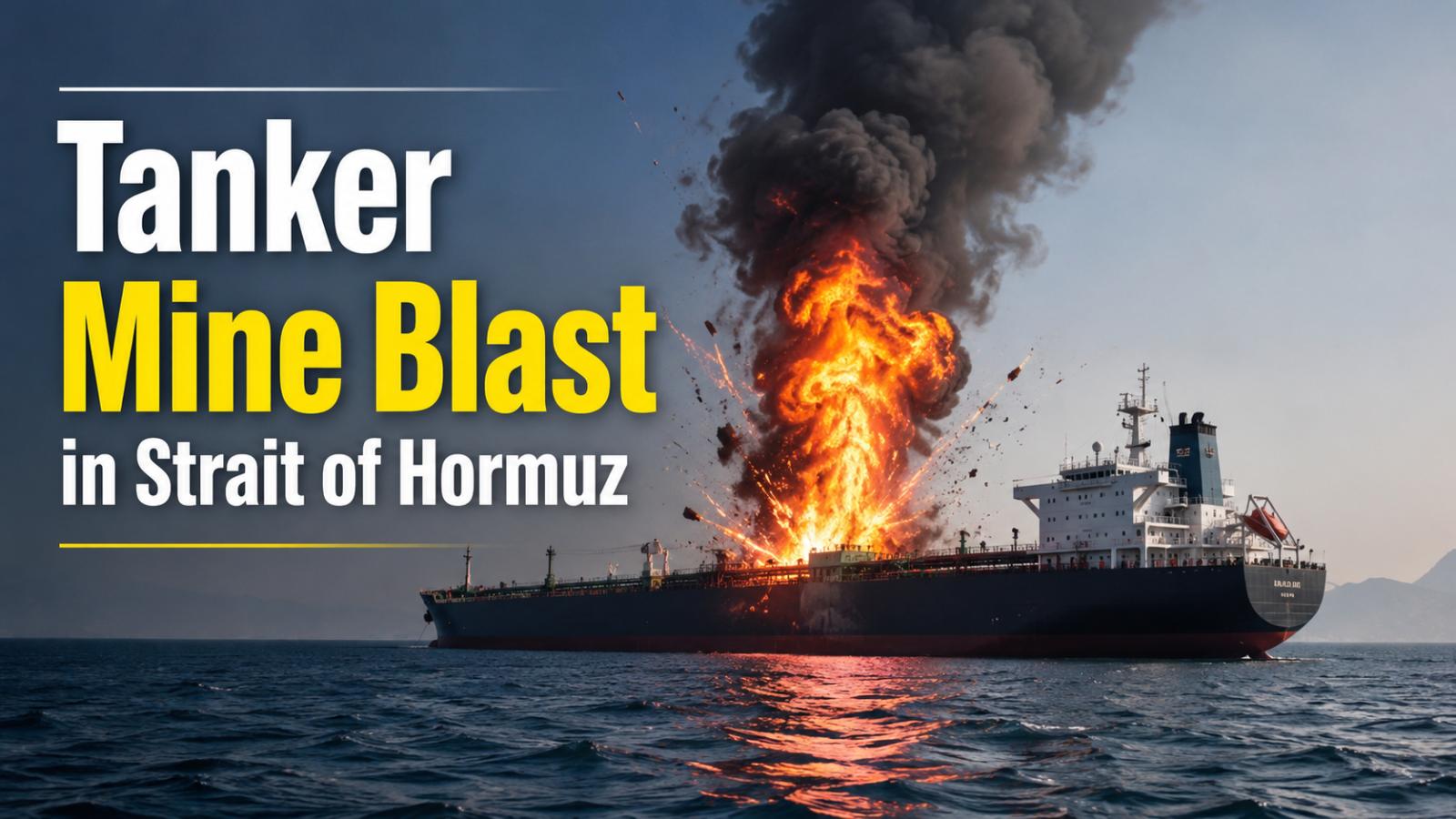
Despite extensive US military strikes during the conflict, Iran retains the ability to threaten commercial vessels with missiles, drones or mines, leaving shipping companies cautious about returning to normal operations.
Strait Of Hormuz Deal Could Reshape Shipping
One temporary proposal under discussion could allow vessels entering the Persian Gulf to travel through an Iranian-controlled route while departing through waters overseen by Oman.
Such an arrangement could help restore commercial traffic while giving both sides a way to claim progress without immediately resolving the wider dispute over control of the waterway.
The Trump administration has insisted that temporary shipping routes must operate without tolls, fees or other restrictions. Iran, meanwhile, continues to push for a larger role in managing traffic through the strategically important passage. Commercial shipping remains well below levels recorded before the crisis, highlighting the continuing security concerns facing vessel operators.
US Military Pressure Adds To Trump’s Dilemma
The negotiations come as questions grow over US military stockpiles following months of strikes and defensive operations. Trump has maintained that the United States has large quantities of weapons available and that additional munitions are being manufactured. However, he acknowledged that supplies of some types of weapons are tighter and said the military continually needs additional stock.
Experts have raised particular concerns about inventories of advanced missile interceptors used to defend American forces against Iranian attacks. Defense Secretary Pete Hegseth has also been meeting Republican lawmakers as the Pentagon seeks billions of dollars in additional funding.
Hormuz Agreement Faces Political And Economic Stakes
Economic considerations are adding urgency to diplomatic efforts. Continued instability in the Strait of Hormuz has affected shipping confidence and kept pressure on global energy markets.
Trump has said diplomacy remains his preferred option and has expressed optimism that an agreement can be reached. At the same time, his administration continues to reject conditions that it believes would formally cement Iranian dominance over the waterway.
Domestic political pressure is also increasing. An AP-NORC poll conducted in late July found that about two-thirds of US adults believed the war with Iran had not been worthwhile.
A successful agreement could help restore oil shipments and ease economic concerns, but the final terms will determine whether Washington and Tehran can present the outcome as a diplomatic victory. For now, control of the Strait of Hormuz and the question of shipping fees remain the biggest hurdles standing between the two sides and a final deal.