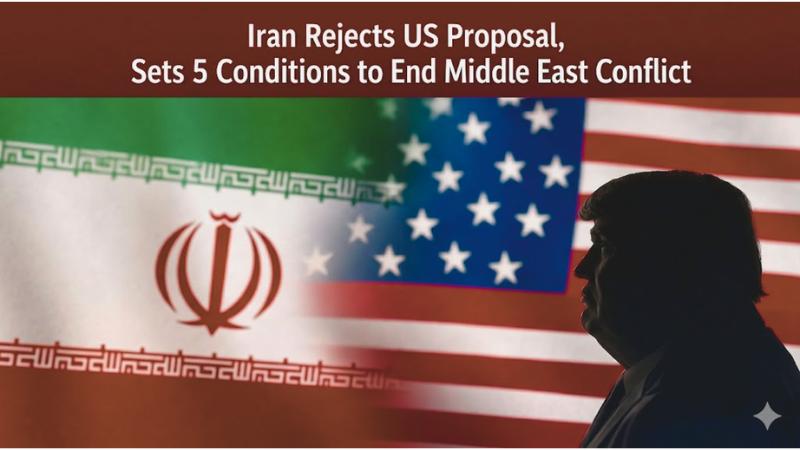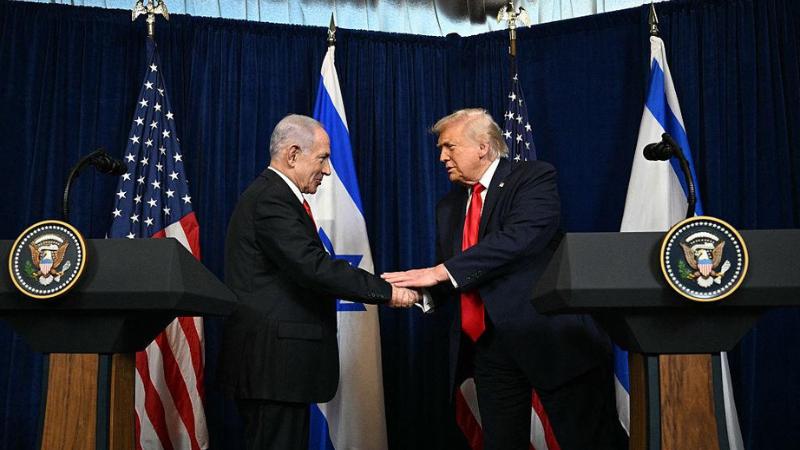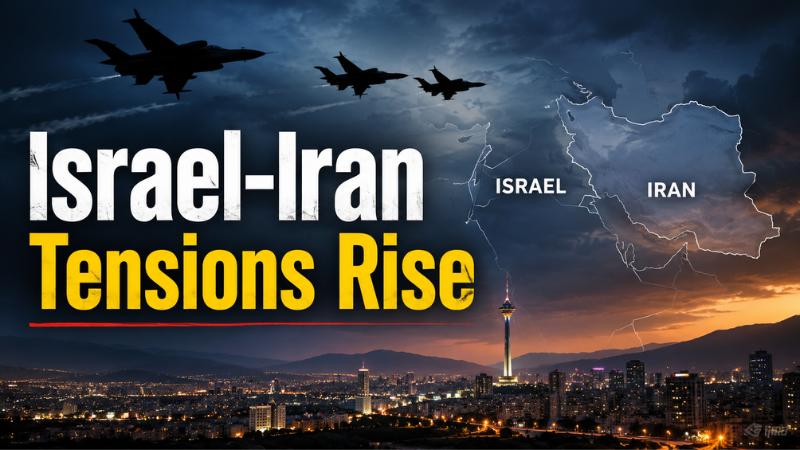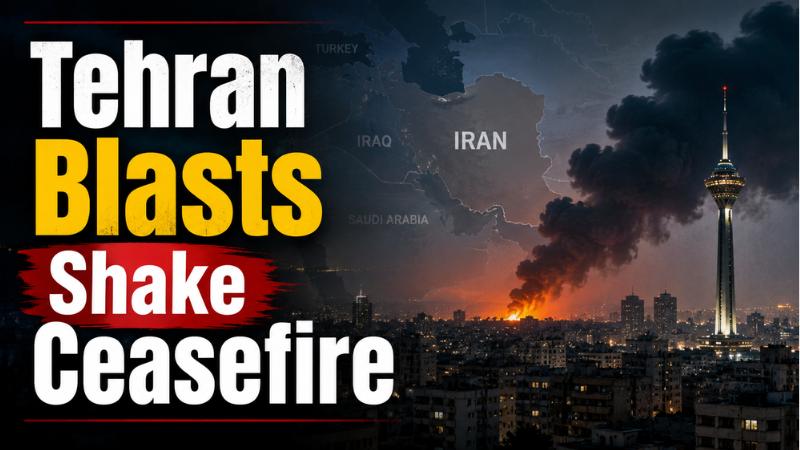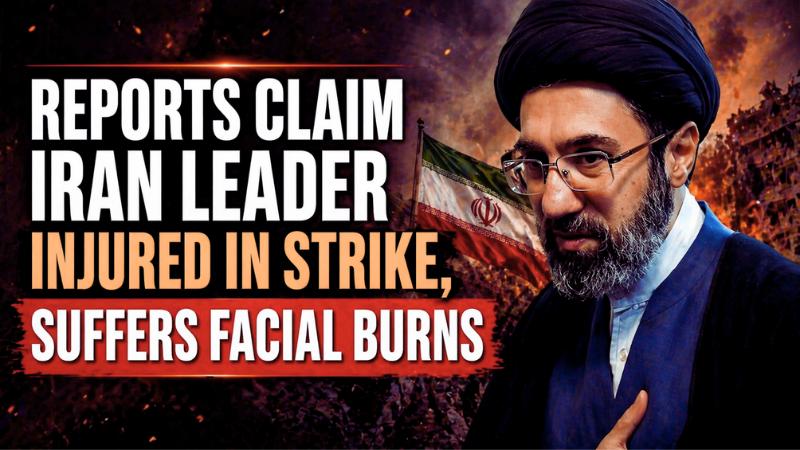

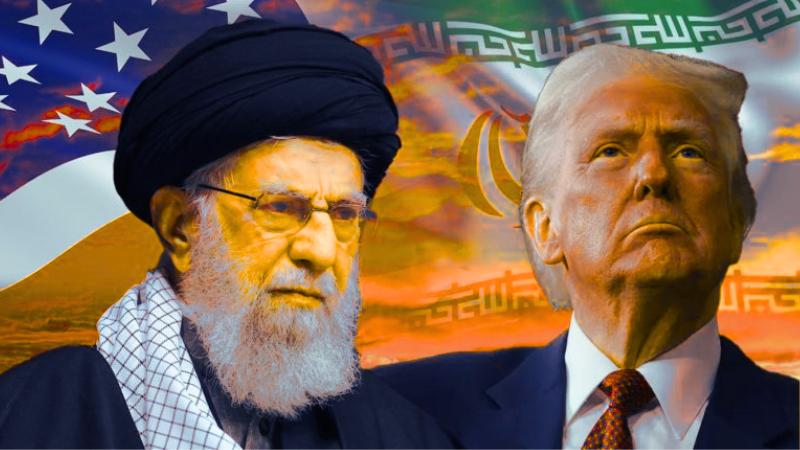
After four weeks of conflict, U.S. President Donald Trump expressed optimism over the possibility of peace talks with Iran, stating that recent discussions had been "very good and productive." However, Iran quickly dismissed Trump’s claims, with a military spokesperson declaring, "Do not call your defeat an agreement." The strong rebuttal from Tehran suggests any resolution is far from imminent and casts doubt on Trump's diplomatic efforts.
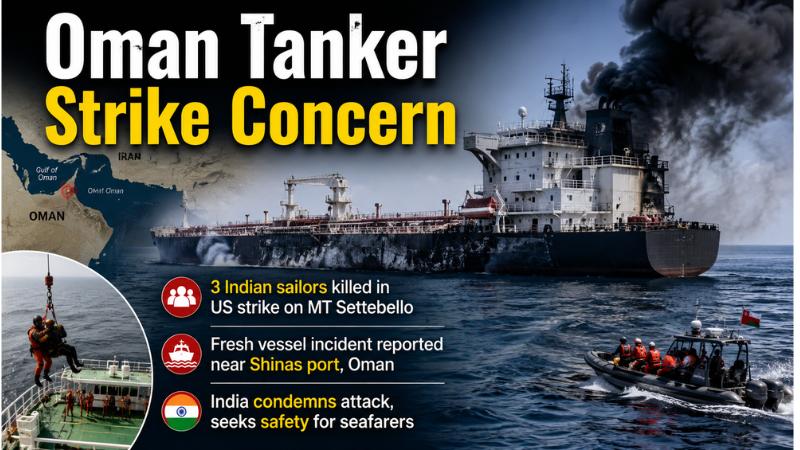
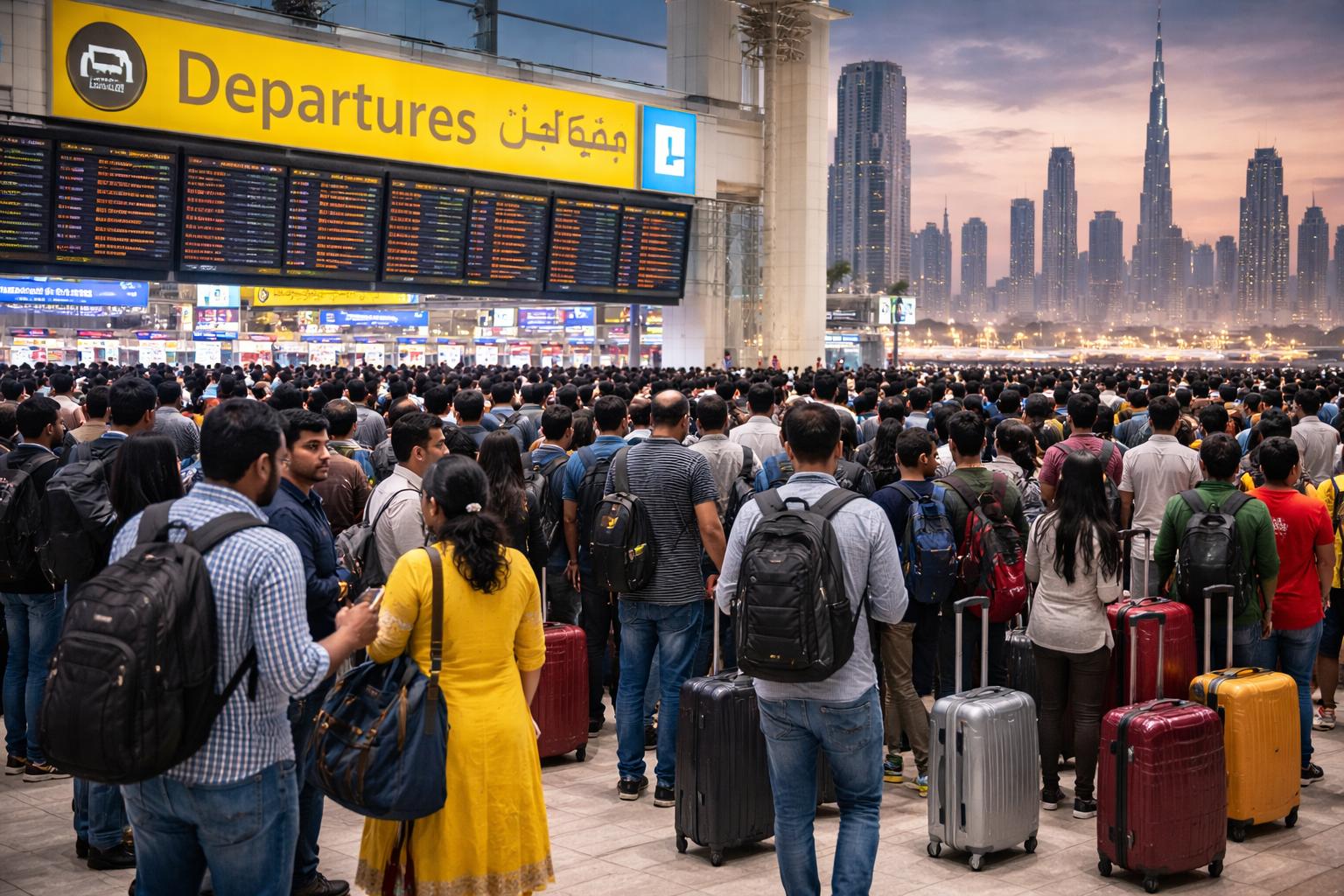
While Trump has attempted to engage Iran in negotiations, reports suggest the U.S. underestimated Iran’s resilience. Despite significant military setbacks, Iran's elite forces, such as the Islamic Revolutionary Guard Corps (IRGC), have remained steadfast in their opposition to U.S. demands. Tehran has also targeted U.S. allies in the Gulf, escalating tensions further. The U.S. seems to have miscalculated the impact of Iran's retaliation, which is complicating efforts for a peaceful resolution.
In a bid to resolve the crisis, Trump’s administration has proposed a 15-point list of demands, though Tehran has shown little willingness to negotiate on these terms. As the conflict continues, Iran is under pressure both domestically and internationally, with mounting casualties and growing economic strain. Despite this, Tehran appears determined to fight on, potentially for a better deal, while the U.S. looks for ways to bring the conflict to an end.