
Amit Shah Faces Opposition Pressure Over Student Protest Action
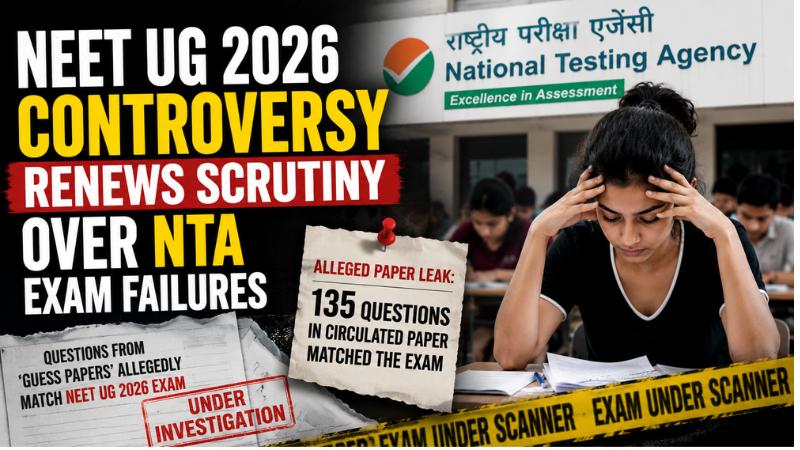
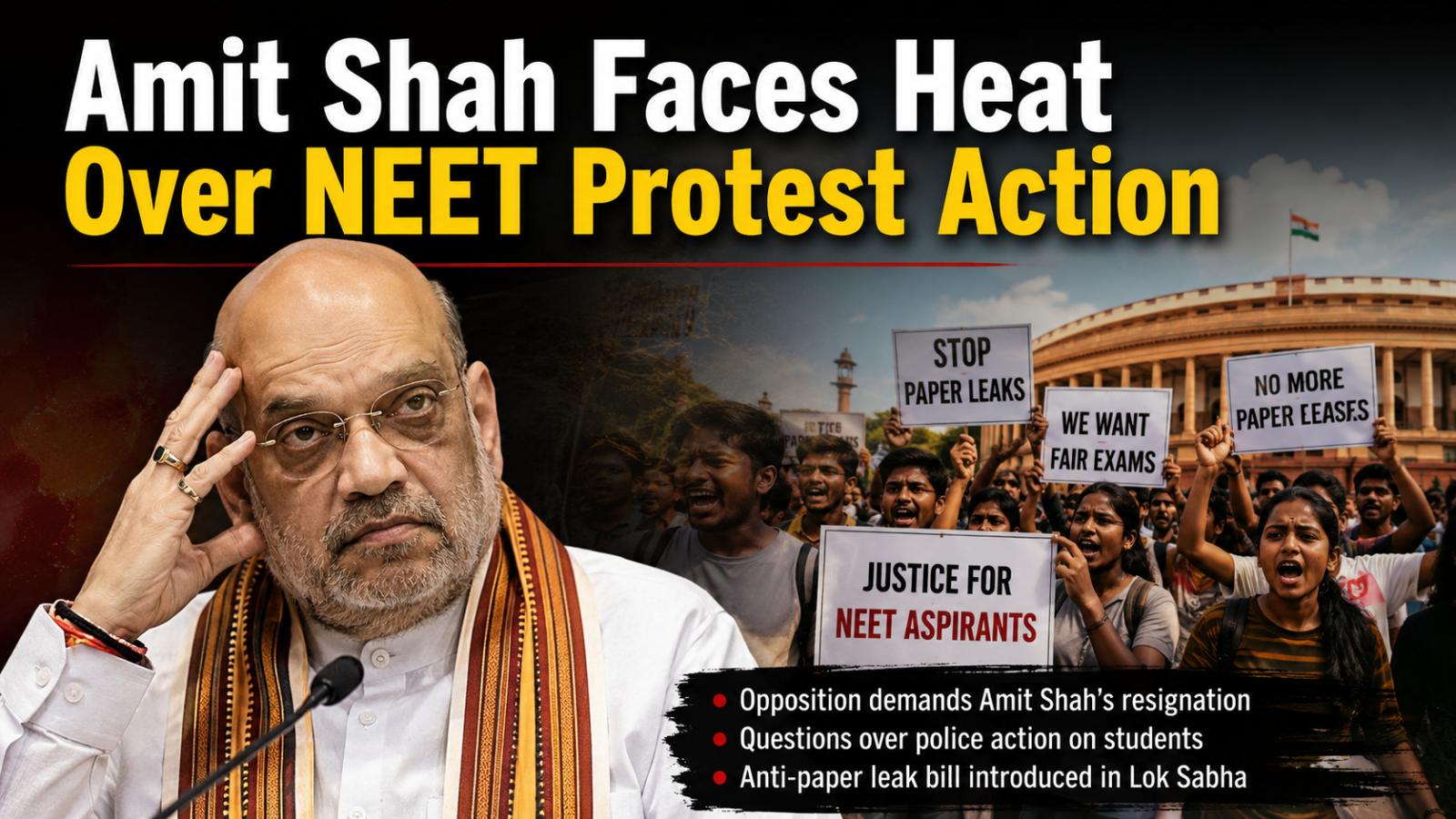
Opposition parties have intensified pressure on Home Minister Amit Shah over the July 20 police action against students protesting the alleged NEET paper leak. The issue disrupted Parliament as MPs demanded accountability while the government introduced stricter anti-paper-leak legislation.
Opposition Targets Amit Shah Over NEET Protest Police Action
The opposition seeks Amit Shah's resignation over the NEET protest police action as the controversy surrounding the alleged examination paper leak moves into a new political phase.
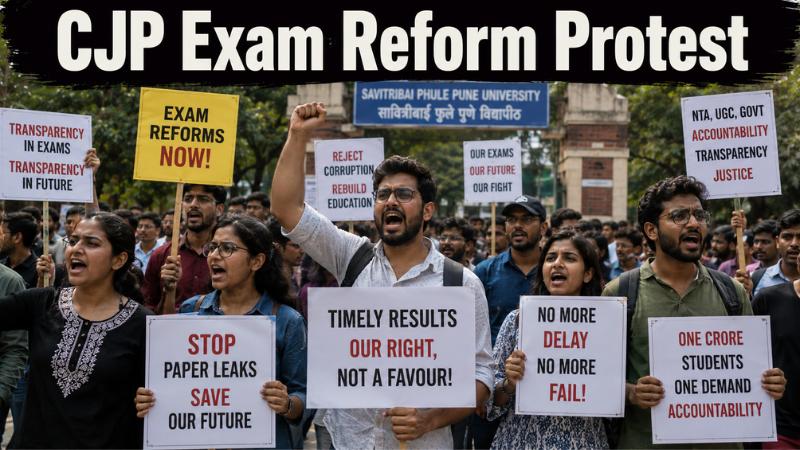
After Dharmendra Pradhan stepped down as Union education minister, Opposition parties shifted their focus to Home Minister Amit Shah, demanding accountability for the security forces’ handling of students during the July 20 march towards Parliament.
Opposition Seeks Amit Shah Resignation Over NEET Protest
CPI(M) Rajya Sabha MP John Brittas said Opposition parties would raise the demand for Shah’s resignation during the Monsoon Session of Parliament. He accused the Home Ministry of failing to protect students who had been protesting against examination irregularities for several weeks.
Brittas questioned Shah’s statement that the government respected the young protesters. He alleged that students had been beaten and seriously injured during the demonstrations in the national capital.
“If there is even a grain of sincerity in those words, Amit Shah too should resign,” Brittas said, holding the home minister politically responsible for what he described as a “brutal assault” on students. These statements remain political allegations made by the Opposition.
NEET Protest Police Action Disrupts Parliament
The controversy caused repeated disruptions in both Houses of Parliament on Monday, July 27, 2026. Opposition MPs sought an immediate discussion and a statement from Shah before normal legislative business could continue.
Congress MP KC Venugopal submitted an adjournment motion in the Lok Sabha seeking a debate on the July 20 police action. In the Rajya Sabha, Opposition members also submitted notices concerning allegations of excessive force, tear gas, pellet guns, and injuries to women protesters.
Congress, the Trinamool Congress, CPI(M), and other INDIA bloc parties argued that the government must explain who authorised the security response. They also demanded the release of verified information about injured protesters and the treatment they received.
The government and ruling alliance members, however, maintained that security agencies were responsible for preserving public order. Some BJP MPs said students should not face action while arguing that the authorities were entitled to act against alleged disruptive or anti-social elements.
Conflicting Claims Over Pellet Guns
Opposition leaders have alleged that pellet guns were used against students during the Jantar Mantar protest. Rahul Gandhi also wrote to Shah seeking clarification about who authorised the reported use of such weapons.
Delhi Police has denied using pellet guns during the demonstration. The competing claims have increased demands for an official investigation or detailed statement establishing which forces were deployed, what equipment was used, and how protesters suffered their injuries.
Until the findings of an independent inquiry or a complete official report are released, claims regarding the use of specific weapons should be treated as allegations rather than facts.
Anti-Paper-Leak Bill Introduced in Lok Sabha
Amid the uproar, the government introduced the Public Examinations (Prevention of Unfair Means) Amendment Bill, 2026, in the Lok Sabha on July 27. The legislation seeks to strengthen the 2024 law dealing with paper leaks, organised cheating, and other examination malpractices.
The bill proposes increasing punishment for individuals involved in unfair means to between five and 10 years in prison, with fines of up to ₹50 lakh. Service providers involved in malpractice could face fines of up to ₹5 crore and an eight-year ban from conducting public examinations.
For organised examination crimes, the proposal sets a minimum seven-year prison term and a minimum fine of ₹10 crore. It also provides for two-month investigations and special fast-track courts expected to complete trials within three months.
Questions Raised Over Enforcement
Opposition parties said they support stronger action against paper leaks but questioned why the existing Public Examinations Act was not effectively implemented.
Brittas argued that the controversy reflected a lack of enforcement rather than an absence of legislation. He also questioned the appointment of Naresh Pal Gangwar as secretary of the Department of Higher Education, referring to previous allegations involving the officer. Those accusations have not been established in the present controversy.
With the new bill before Parliament and the Opposition seeking Shah’s accountability, the NEET paper leak dispute is no longer limited to examination reforms. It has developed into a wider debate over policing, democratic protest, and ministerial responsibility.