
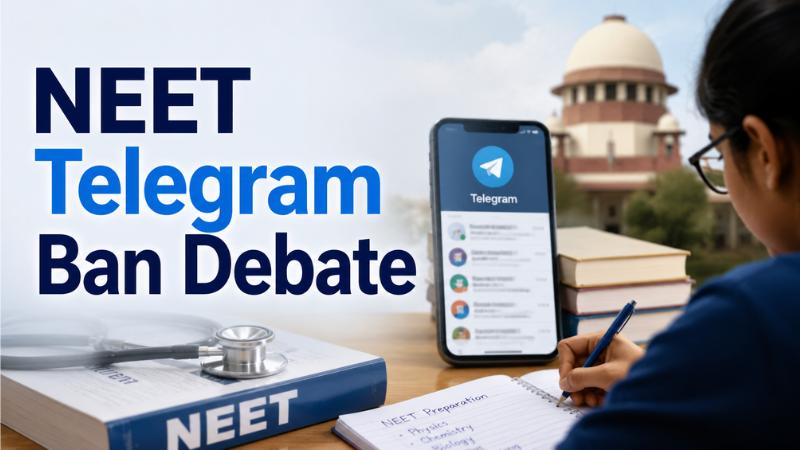
Telegram Ban Before NEET Re-Test Sparks Exam Security Debate
Telegram’s temporary restriction ahead of the NEET-UG 2026 re-test has opened a wider debate on exam security, fake paper leak claims, platform accountability, and digital rights.
Telegram Ban Before NEET Re-Test Sparks Exam Security Debate
The temporary ban on Telegram ahead of the NEET-UG 2026 re-test has triggered a wider debate over exam security, fake paper leak claims, platform responsibility, and digital rights.
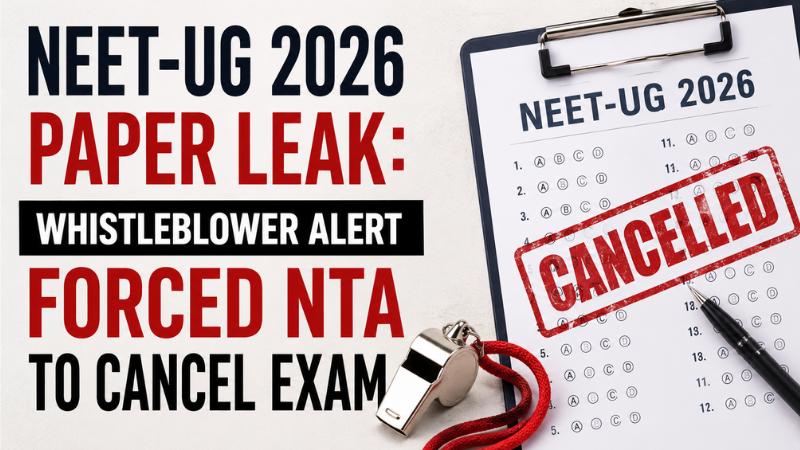
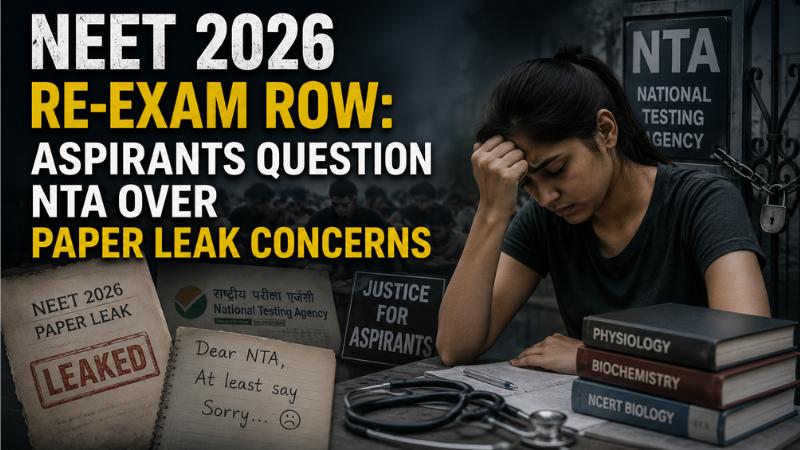
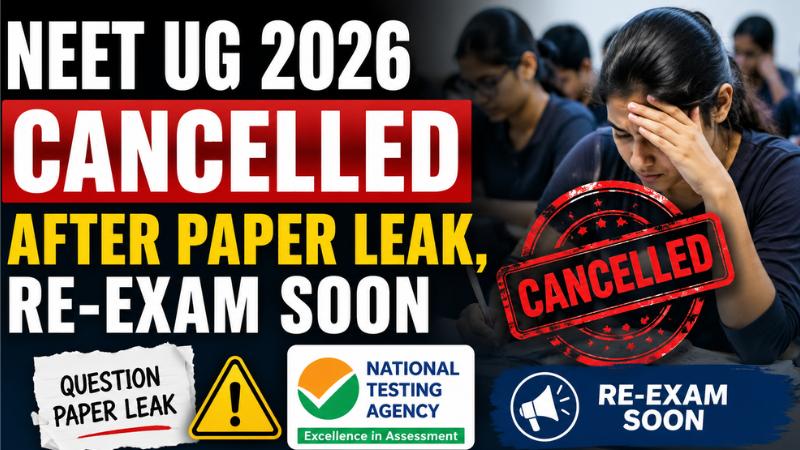
The restriction was ordered before the NEET-UG 2026 re-examination scheduled for June 21. Authorities said the move was aimed at stopping fake paper leak messages, online fraud channels, and misinformation targeting medical entrance exam candidates.
NTA Says Move Was For Exam Security
The National Testing Agency defended the temporary restriction, saying the step was taken to protect the integrity of the re-test. Officials said several Telegram channels were allegedly spreading false claims about access to the NEET re-test paper and demanding money from students and parents.
The NTA has maintained that the decision was not based on any fresh confirmed paper leak. According to the agency, the concern was mainly over fake messages, fraud networks, and misleading claims that could create panic among candidates.
Telegram Edit Feature Comes Under Focus
The issue became more serious after authorities raised concerns about Telegram’s message-editing feature. Officials said older posts could be edited later while retaining their original timestamp, which could be misused to create false proof of a paper leak after the exam.
This point also sparked debate online, with some voices supporting stricter action during high-stakes exams and others questioning whether blocking an entire platform was the right response. Critics argued that targeted action against fraudulent channels would be more effective than a complete temporary restriction.
Telegram Moves Delhi High Court
Telegram has challenged the temporary restriction in the Delhi High Court. The platform argued that blocking access affects millions of genuine users who depend on Telegram for education, communication, work, and business.
The legal challenge has turned the matter into more than an exam-security issue. It is now also being seen as a debate on how far government restrictions can go when digital platforms are linked to fraud or misinformation concerns.
Pavel Durov Criticises Ban
Telegram founder Pavel Durov criticised the decision, saying the ban affects more than 150 million ordinary users in India. He argued that the restriction does not address the real source of exam leaks and that such activities could simply shift to other apps.
Telegram also said it had removed several channels linked to exam scams and fake leak claims. The company defended its moderation efforts, saying misuse of a platform should be tackled through focused action instead of blocking access for all users.
Digital Rights Concerns Grow
Digital rights groups and opposition leaders have also questioned the move. They argued that a blanket restriction may be disproportionate and could impact students, teachers, businesses, and ordinary users who use Telegram for legitimate purposes.
Critics said the government should focus more on identifying fraud networks, leak operators, and insiders instead of relying mainly on platform-level bans.
NEET Re-Test To Go Ahead On June 21
Despite the controversy, the NEET-UG 2026 re-test is expected to go ahead on June 21. The NTA has advised candidates to follow only official updates and avoid messages claiming access to question papers.
The Telegram ban has now become a larger public debate. On one side, authorities say tough steps are needed to protect students and prevent exam fraud. On the other hand, Telegram and digital rights voices say targeted action would be better than restricting an entire platform.