
Strait Of Hormuz Oil Route Impact Raises Fuel Price Concerns
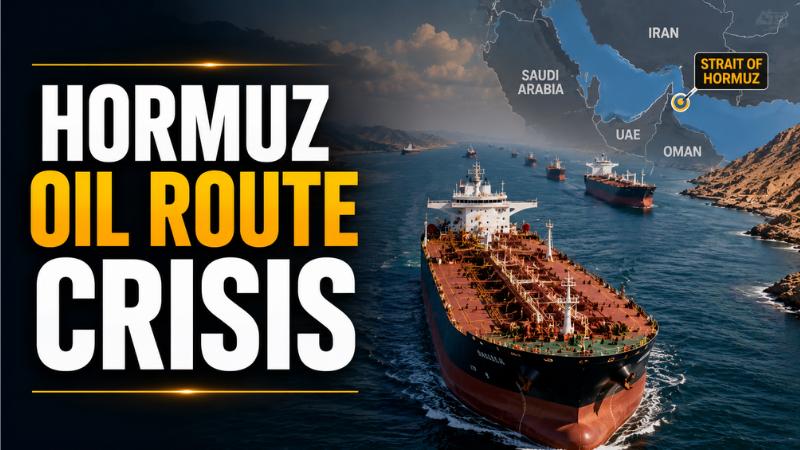
The Strait of Hormuz crisis has raised fresh global concern as Iran’s closure claim threatens one of the world’s busiest oil and gas routes, even as the US says commercial ships are still moving through the waterway. The dispute has created uncertainty across oil, LNG, and shipping markets, with the narrow passage remaining one of the most important energy corridors for global trade.
According to reports, Iran’s military command warned that all vessels, including oil tankers and commercial ships, would be stopped from passing through the Strait of Hormuz. The warning came after another round of US military action against Iranian targets, pushing the already tense situation in the Gulf region into a more dangerous phase.
However, the United States has rejected Iran’s claim that the waterway has been fully sealed. US Central Command said commercial vessels were still moving in and out of the Strait of Hormuz, making the situation unclear for traders, shipping companies, and energy-importing countries.
Why The Strait Of Hormuz Oil Route Matters
The Strait of Hormuz connects the Persian Gulf with the Arabian Sea and acts as a major export route for oil-producing countries such as Saudi Arabia, Iraq, Kuwait, Qatar, the UAE, and Iran. Because of this, even a limited disruption can create pressure on global energy supply.
The route is important not only for crude oil but also for liquefied natural gas shipments. Qatar, one of the world’s major LNG exporters, depends heavily on this sea passage. If shipping through the area becomes unsafe, gas supply concerns may increase for countries in Asia and Europe.
Fuel Price Impact Could Be Felt Globally
The biggest concern is the fuel price impact. Oil prices have already reacted to the latest escalation, as traders are pricing in the risk of supply disruption. Even if the Strait of Hormuz is not fully closed, the fear of attacks, delays, or restricted movement can push crude prices higher.
For fuel-importing countries, higher crude oil prices can raise the cost of petrol, diesel, aviation fuel, and cooking gas. This can also affect transport, manufacturing and logistics costs. If the crisis continues, the impact may slowly reach common people through higher prices of goods and services.
LNG And Shipping Risks Add To Pressure
The Hormuz shipping risk is also important for global trade. Shipping companies may become cautious about sending vessels through the region if the security threat increases. This can raise insurance charges, freight costs, and delivery delays.
LNG supply risk is another concern. Any delay in gas shipments can affect electricity generation and industrial activity in countries that depend on imported gas. If the disruption continues for a longer period, governments may have to look for alternative supply routes or emergency reserves.
Food Prices May Also Face Indirect Impact
The crisis can also affect fertilizer and urea shipments moving through the region. If fertilizer supply becomes costlier or delayed, agricultural expenses may rise. This can later reflect in food prices, especially in developing countries that depend on imported energy and farm inputs.
That is why the Strait of Hormuz oil route impact is not limited to fuel alone. It can spread to power bills, transport costs, food prices, business expenses, and inflation.
Global Economy Watches The Crisis Closely
The main question now is whether Iran can actually enforce a prolonged closure or whether commercial shipping will continue with international monitoring. The US says vessels are still transiting, while Iran’s warning has already created market nervousness.
For now, the Strait of Hormuz remains a major flashpoint in the US-Iran standoff. If the situation worsens, the impact could be felt far beyond the Middle East. A prolonged crisis may put pressure on fuel prices, LNG supply, shipping routes, and global economic stability.