
WhatsApp Username Rollout Paused In India Over Cyber Fraud Concerns
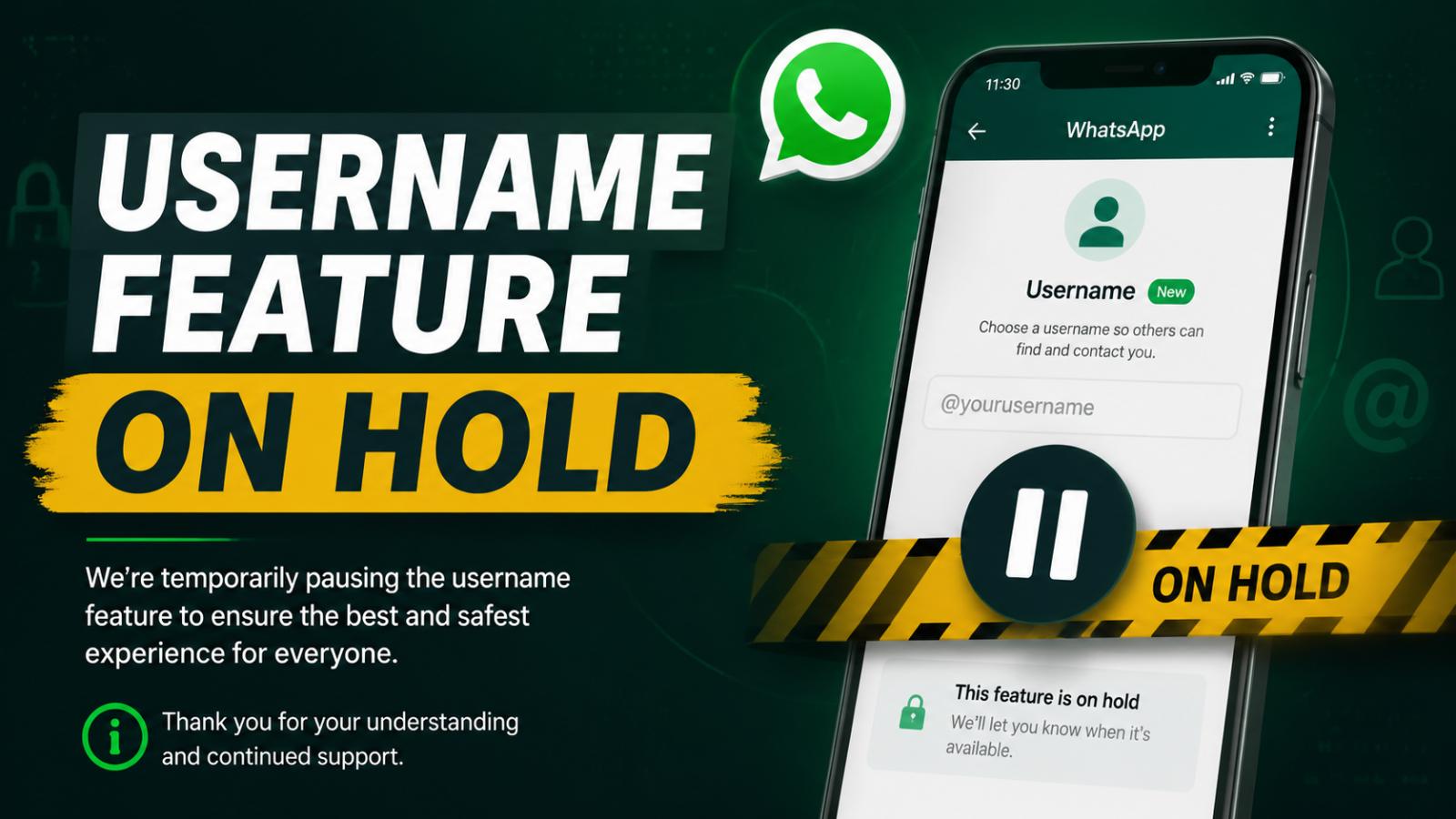
India has asked Meta to pause the rollout of WhatsApp’s proposed username feature in the country, raising concerns over privacy, impersonation, and possible cyber-fraud risks.
The government has reportedly sought a detailed explanation from Meta within three days and asked the company not to proceed with the feature until consultations are completed.
What Is WhatsApp’s Username Feature?
WhatsApp’s username feature is expected to allow users to connect without sharing their phone numbers. At present, users usually need to exchange mobile numbers to start a conversation on WhatsApp.
With usernames, a person may be able to reserve a unique name and use it as an identity on the platform. This would work in a way similar to usernames on apps such as Telegram, Instagram and other social media platforms.
For many users, the feature may improve privacy because they would not have to share their personal phone number with every new contact.
Why Has India Asked Meta To Pause The Rollout?
The main concern is possible misuse. Officials fear that usernames may make it easier for scammers to impersonate public figures, celebrities, businesses or government officials.
In online fraud cases, phone numbers often help users identify unknown senders. If usernames become the primary identity, there are concerns that fake or lookalike names could be used to mislead people.
This is especially sensitive at a time when India is witnessing rising cases of digital fraud, phishing, fake investment schemes, and impersonation scams.
What Safeguards Has WhatsApp Mentioned?
WhatsApp has said it plans to introduce safeguards to reduce misuse. These may include holding back well-known names, celebrity names, government-related usernames, and some variations so that only legitimate owners can claim them.
The platform is also expected to show warning details when an unknown person contacts a user for the first time through a username.
Another proposed safety layer is a username key. This optional feature may allow users to add a four-digit code so that others cannot contact them with only the username unless they also know the key.
Privacy Benefit Vs Safety Risk
The username feature has two sides. On one side, it can protect phone numbers and reduce unnecessary sharing of personal contact details. This may help users who regularly interact with unknown people for work, business or services.
On the other side, the government’s concern is that a less visible phone-number identity could give scammers more room to create fake profiles and trick users.
Cybersecurity experts have also pointed out that the risk will depend on how strictly WhatsApp verifies, blocks and monitors suspicious username activity.
What It Means For WhatsApp Users In India
For now, Indian users may have to wait before using WhatsApp usernames fully. The feature has not been cleared for rollout in India until the government completes its review and Meta provides its explanation.
If approved later, users may be able to connect on WhatsApp without sharing their phone numbers. However, users should remain careful with unknown contacts, especially those asking for money, OTPs, bank details, investment payments, or personal documents.
The Larger Debate
The issue has also opened a larger debate on whether governments should review new digital features before they are launched, especially when they involve privacy and online safety.
Supporters of the pause say user protection must come first. Critics argue that fraud should be tackled through clear laws and enforcement, rather than stopping privacy-focused features before launch.
Meta is yet to complete its formal response to the government’s notice. Until then, the WhatsApp username rollout in India remains on hold.