
Indoor Plant Care Tips For A Healthy Green Home
Indoor plants have become an important part of modern homes as people look for natural ways to improve indoor beauty, freshness and comfort. Proper indoor plant care helps plants grow better and also keeps living spaces pleasant and relaxing. Since no specific date, time, place or person was provided in the input, this article focuses on general indoor plant care guidance that can be useful for home gardeners, apartment residents and plant lovers.
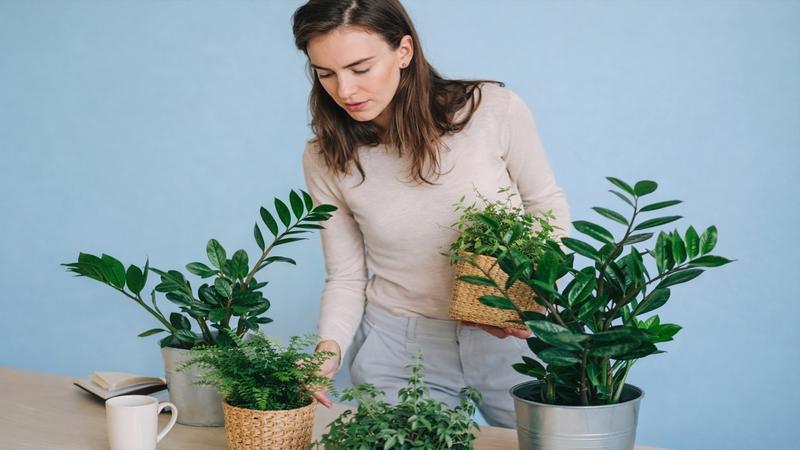
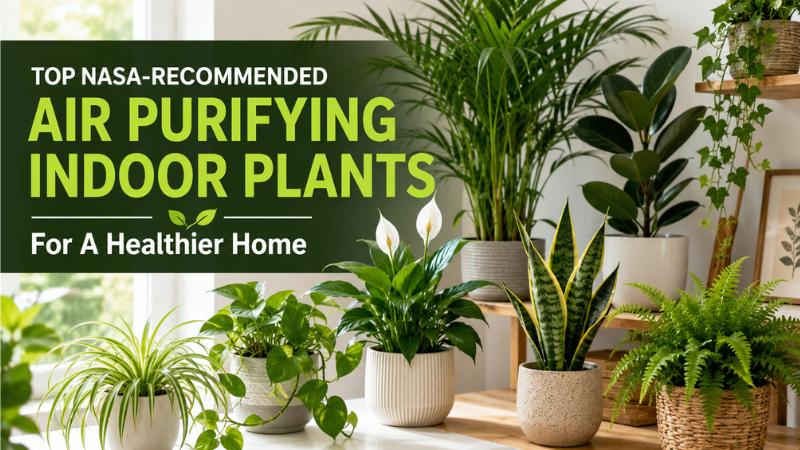
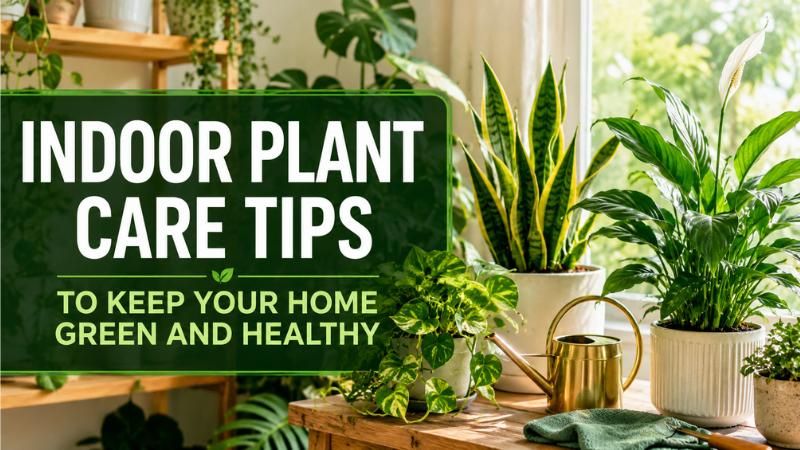
The first step in indoor plant care is choosing the right plant for the right place. Some plants need bright indirect sunlight, while others grow well in low-light corners. Popular indoor plants such as money plant, snake plant, peace lily, pothos and ZZ plant are often preferred because they are easy to maintain. Placing plants near windows with filtered sunlight can help them grow naturally without burning their leaves.
Watering, Light And Soil Matter Most
Watering is one of the most common mistakes in indoor gardening. Many plants die not because of less care, but because of overwatering. Before watering, check whether the top layer of soil is dry. Plants like snake plant and ZZ plant need less water, while peace lily and ferns prefer slightly moist soil. Using pots with drainage holes is important because excess water can damage roots and cause fungal growth.
Good soil also plays a major role in plant health. Indoor plants need loose, well-draining soil that allows air to reach the roots. Adding compost or organic plant food once in a while can support healthy growth. However, too much fertilizer can harm the plant, so feeding should be done carefully based on the plant type and season.
Humidity, Cleaning And Pest Protection
Indoor plants also need clean leaves to absorb light properly. Dust can block sunlight and slow down growth, so wiping leaves gently with a soft cloth helps plants stay fresh. Some plants also enjoy humidity, especially during summer or in air-conditioned rooms. Light misting or placing a water tray near plants can improve humidity, but water should not remain stagnant for too long.
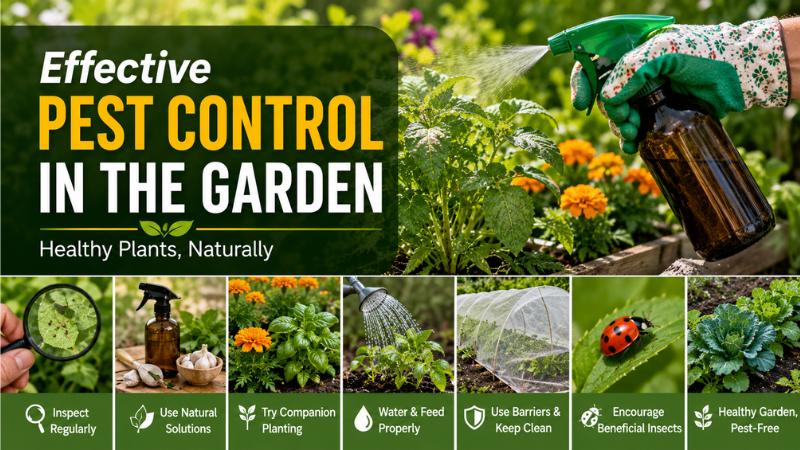
Pest control is another important part of indoor plant care. Small insects, yellow leaves, sticky spots or weak stems can be signs of plant stress. Neem oil spray, proper air movement and regular inspection can help prevent common indoor plant pests. Removing dead leaves and trimming damaged parts also keeps plants neat and healthy.